
-
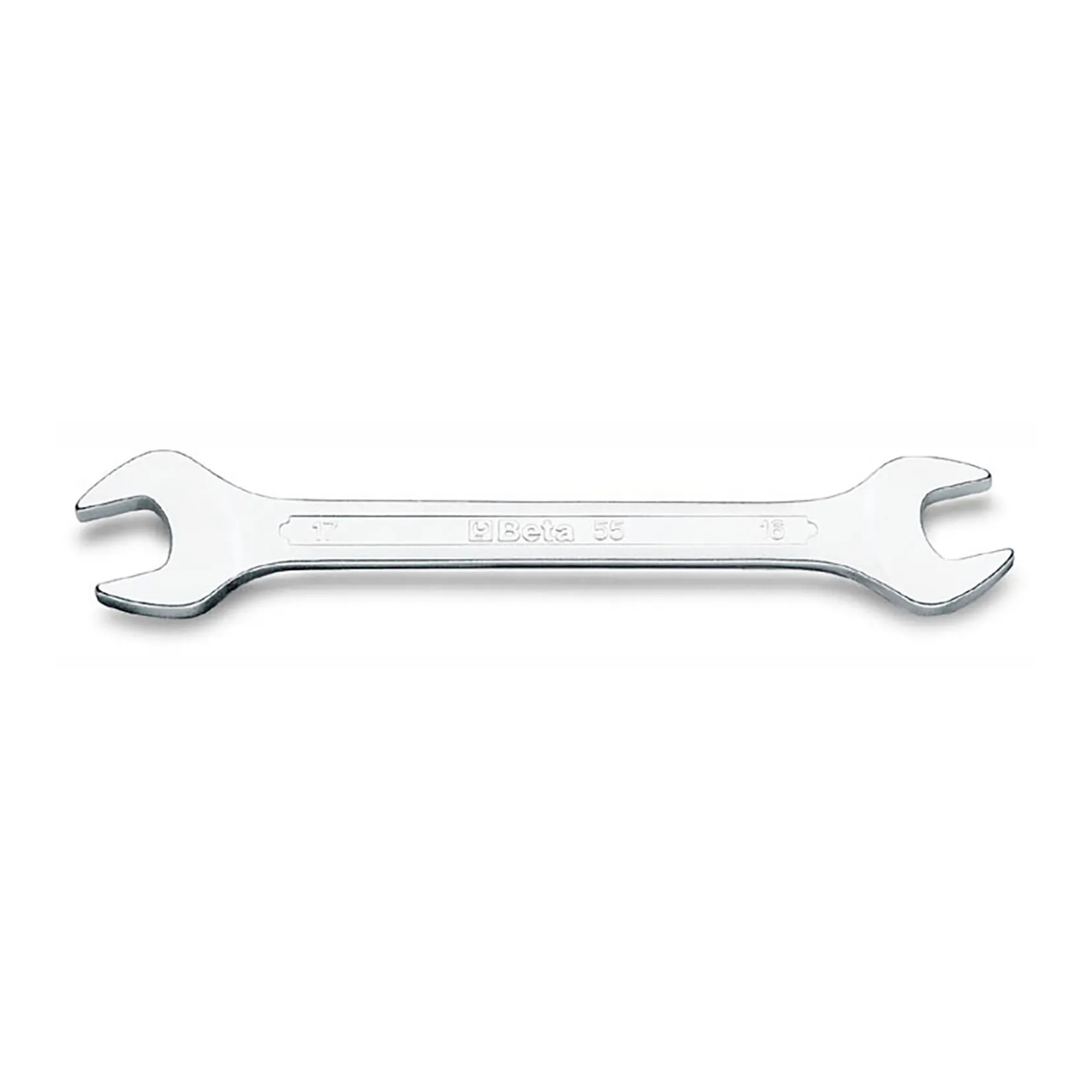
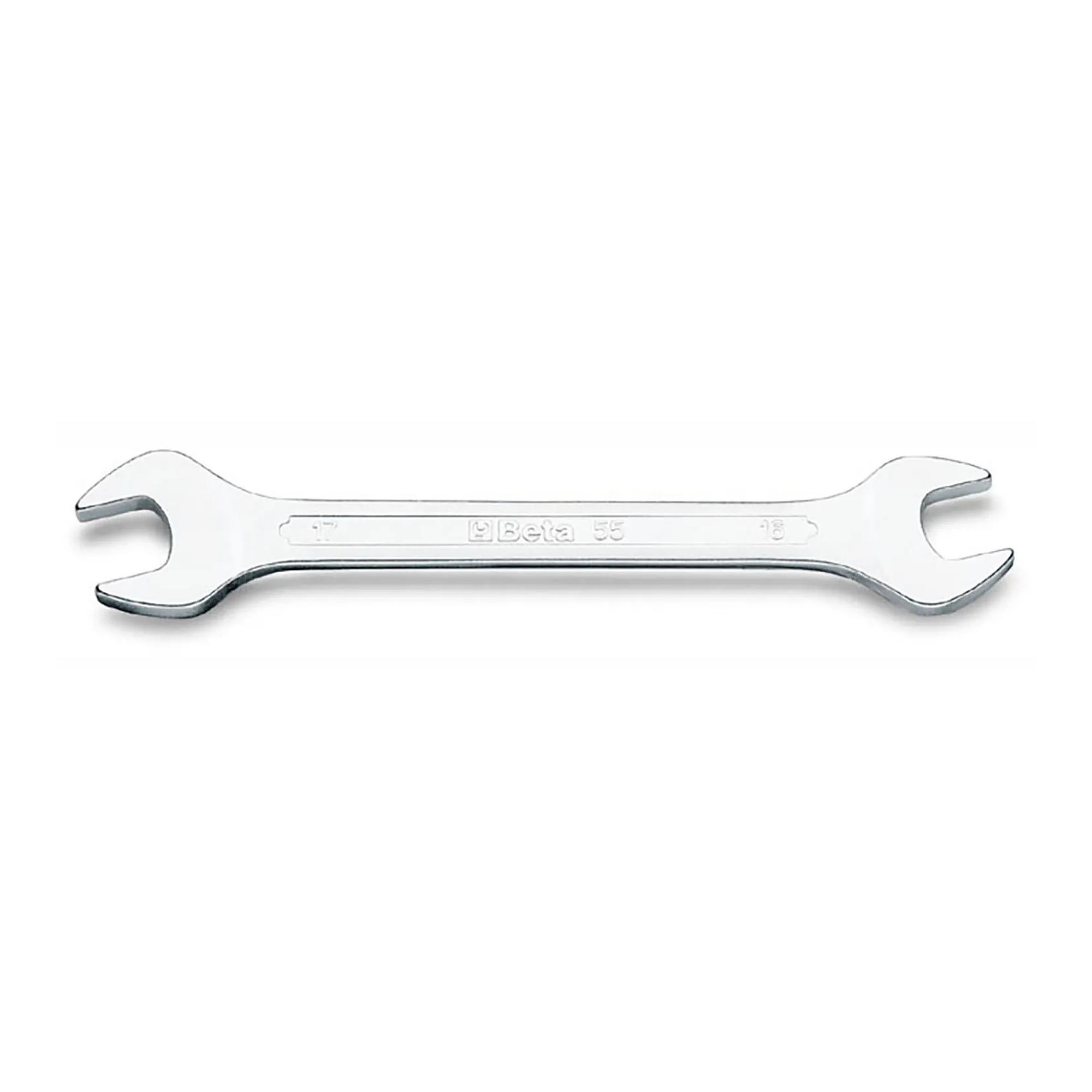
Double-End Metric Open-End Wrench, 27 mm x 32 mm
Our Price:$31.94This double-end metric open-end wrench is designed for technicians and maintenance professionals who work with metric hex fasteners. Its two jaw sizes help users tighten or loosen 27 mm and 32 mm...
-
Double-End Metric Open-End Wrench, 34 mm x 36 mm
Our Price:$99.94This double-end metric open-end wrench is designed for professionals who need to turn metric hex fasteners. Its two differently sized openings provide 34 mm and 36 mm fastening capability in one hand...
-
Double-End Metric Open-End Wrench, 8 mm x 10 mm
Our Price:$10.74This double-end metric open-end wrench is designed for technicians and maintenance professionals who need to turn metric hex fasteners. Its two jaw sizes provide a practical hand-tool option for...
-
Double-End Metric Open-End Wrench, 8 mm x 9 mm
Our Price:$9.49This double-end metric open-end wrench is designed for technicians and maintenance professionals who need to turn 8 mm and 9 mm hex fasteners. Two working ends provide access to two common metric...
-
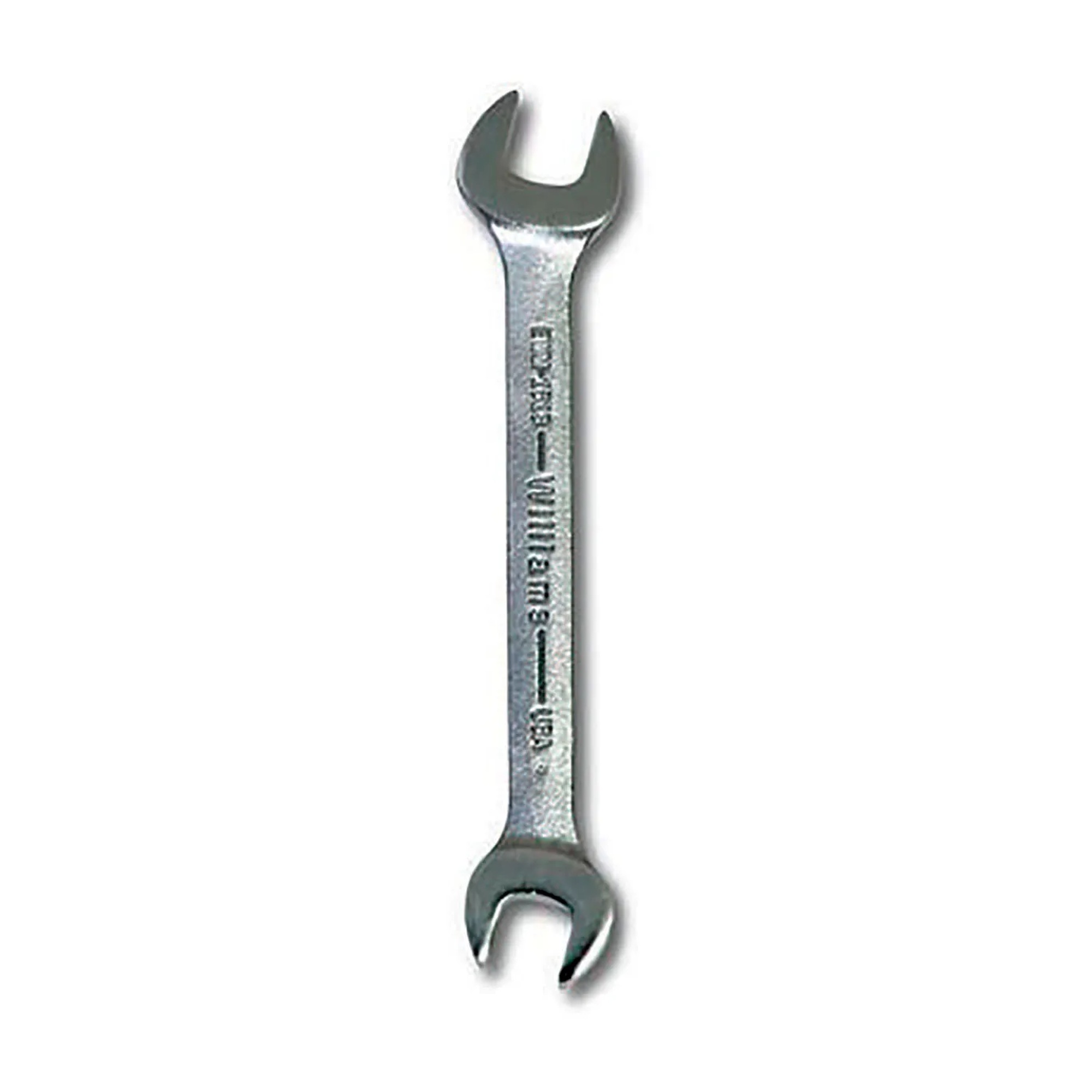
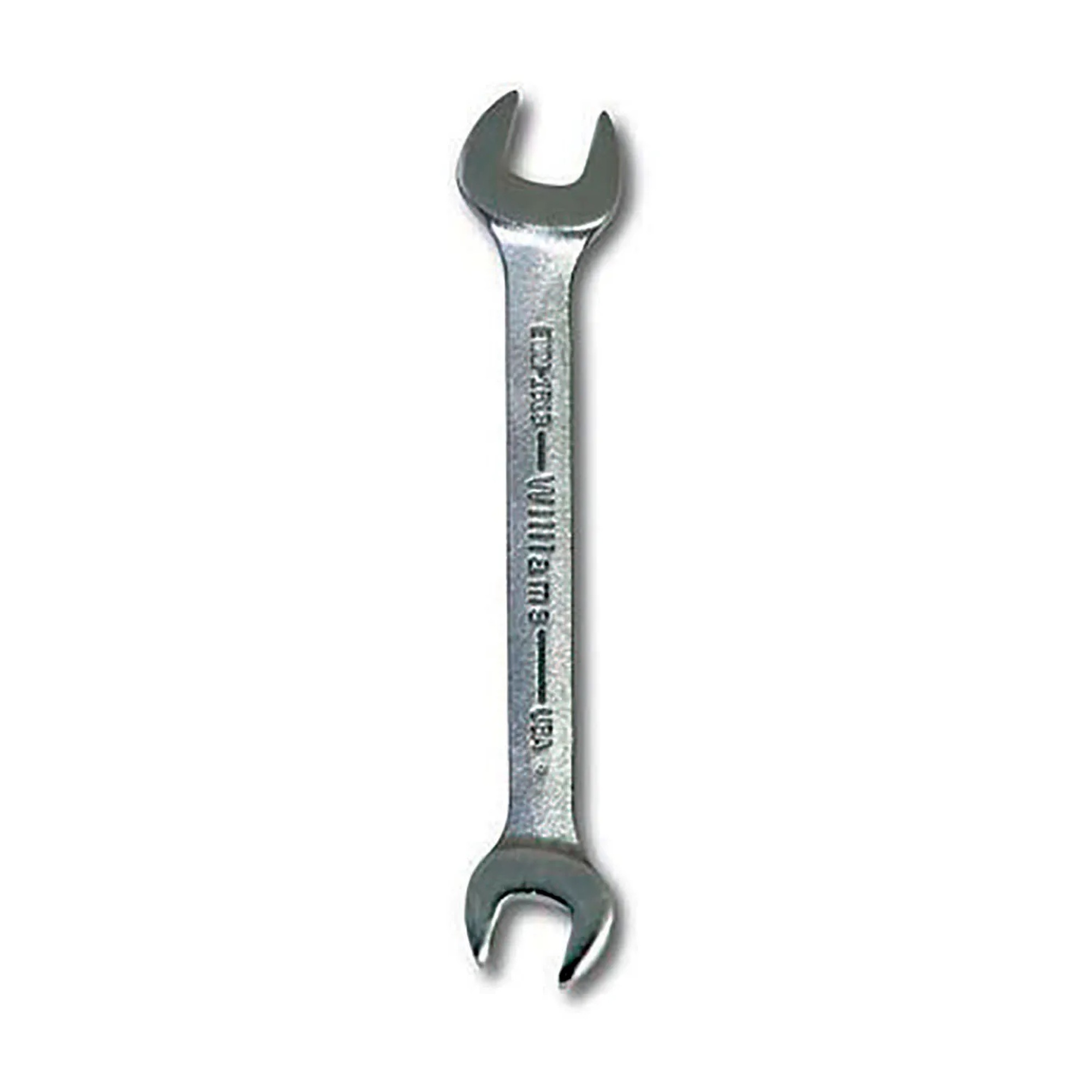
Williams
Double-Ended Open-End Wrench, 27 mm x 30 mm
Our Price:$46.94This double-ended open-end wrench is designed for maintenance professionals and technicians who need to turn fasteners with 27 mm or 30 mm openings. Its two wrench ends provide two sizing options in...
-
Williams
Double-Head Flare Nut Wrench Set, 5 Pieces, Chrome Finish
Our Price:$91.94This five-piece double-head flare nut wrench set is designed for technicians and maintenance professionals working with pipe and tubing fittings. It provides multiple wrench sizes for turning...
-
Williams
Double-Head Open-End Wrench, 1-1/2 in. x 1-5/8 in., Satin Chrome
Our Price:$86.94This double-head open-end wrench is designed for maintenance professionals and technicians who need to turn fasteners with 1-1/2-inch or 1-5/8-inch openings. Its two open ends provide size options in...
-
Williams
Double-Head Open-End Wrench, 1-3/8 in. x 1-7/16 in. Openings
Our Price:$87.94This double-head open-end wrench is designed for professionals who need to install or remove fasteners with 1-3/8 inch and 1-7/16 inch opening sizes. Its two-ended configuration gives maintenance and...
-
Williams
Double-Head Open-End Wrench, 1/2 in. x 9/16 in., Chrome Finish
Our Price:$17.49This double-head open-end wrench is designed for maintenance and repair professionals who need to turn fasteners with 1/2-inch or 9/16-inch openings. Its two working ends provide a practical...
-
Williams
Double-Head Open-End Wrench, 12 mm x 13 mm
Our Price:$16.49This double-head open-end wrench is designed for professionals and maintenance teams who need to turn fasteners with 12 mm or 13 mm openings. Its two-ended format provides two common wrench sizes in...
-
Williams
Double-Head Open-End Wrench, 13/16 in. x 7/8 in., Satin Chrome
Our Price:$26.94This double-head open-end wrench is designed for maintenance professionals and shop users who need to turn fasteners with 13/16-inch or 7/8-inch openings. Its two working ends provide two size...
-
Williams
Double-Head Open-End Wrench, 17 mm x 19 mm
Our Price:$21.99This double-head open-end wrench is designed for technicians and maintenance professionals who need to turn compatible 17 mm and 19 mm fasteners. Its two working ends provide a practical option for...
-
Williams
Double-Head Open-End Wrench, 24 mm x 27 mm, Chrome Finish
Our Price:$42.94This double-head open-end wrench is designed for maintenance and repair professionals who need to turn compatible 24 mm and 27 mm fasteners. Its two open ends provide size options in one hand tool...
-
Williams
Double-Head Open-End Wrench, 30 mm x 32 mm
Our Price:$53.94This double-head open-end wrench is designed for maintenance professionals and technicians who need to turn 30 mm and 32 mm fasteners. Its two open ends provide size options in one hand tool for...
-
Beta
Double-Head Open-End Wrench, 4 mm x 14 mm, Silver
Our Price:$169.94This double-head open-end wrench is designed for technicians, mechanics, and maintenance professionals who need to reach fasteners in confined work areas. Its 4 mm and 14 mm opening sizes provide a...
-
Beta
Double-Head Open-End Wrench, 4.5 mm Opening, Silver
Our Price:$9.39This double-head open-end wrench is designed for technicians, mechanics, and other users who need to reach fasteners in confined work areas. Its slim profile and two head angles help provide access...
-
Williams
Double-Head Open-End Wrench, 5/8 in. x 11/16 in.
Our Price:$19.24This double-head open-end wrench is designed for maintenance and repair professionals who need to turn fasteners with 5/8-inch or 11/16-inch openings. Its two open ends provide size options in one...
-
Williams
Double-Head Open-End Wrench, 7/8 in. x 15/16 in., Chrome Finish
Our Price:$30.94This double-head open-end wrench is designed for maintenance and repair professionals who need to turn fasteners in 7/8-inch and 15/16-inch sizes. Its two wrench openings provide a practical...
-
Beta
Double-Head Open-End Wrench, 8 mm, Silver
Our Price:$10.99This 8 mm double-head open-end wrench is designed for technicians, mechanics, and other users who need to turn fasteners in restricted work areas. Its two angled ends provide alternate approaches to...
-
Williams
Double-Head Open-End Wrench, 9/16 in. x 5/8 in., Satin Chrome
Our Price:$18.49This double-head open-end wrench is designed for maintenance and repair professionals who need to turn compatible fasteners with 9/16-inch or 5/8-inch openings. Its two opening sizes provide a...




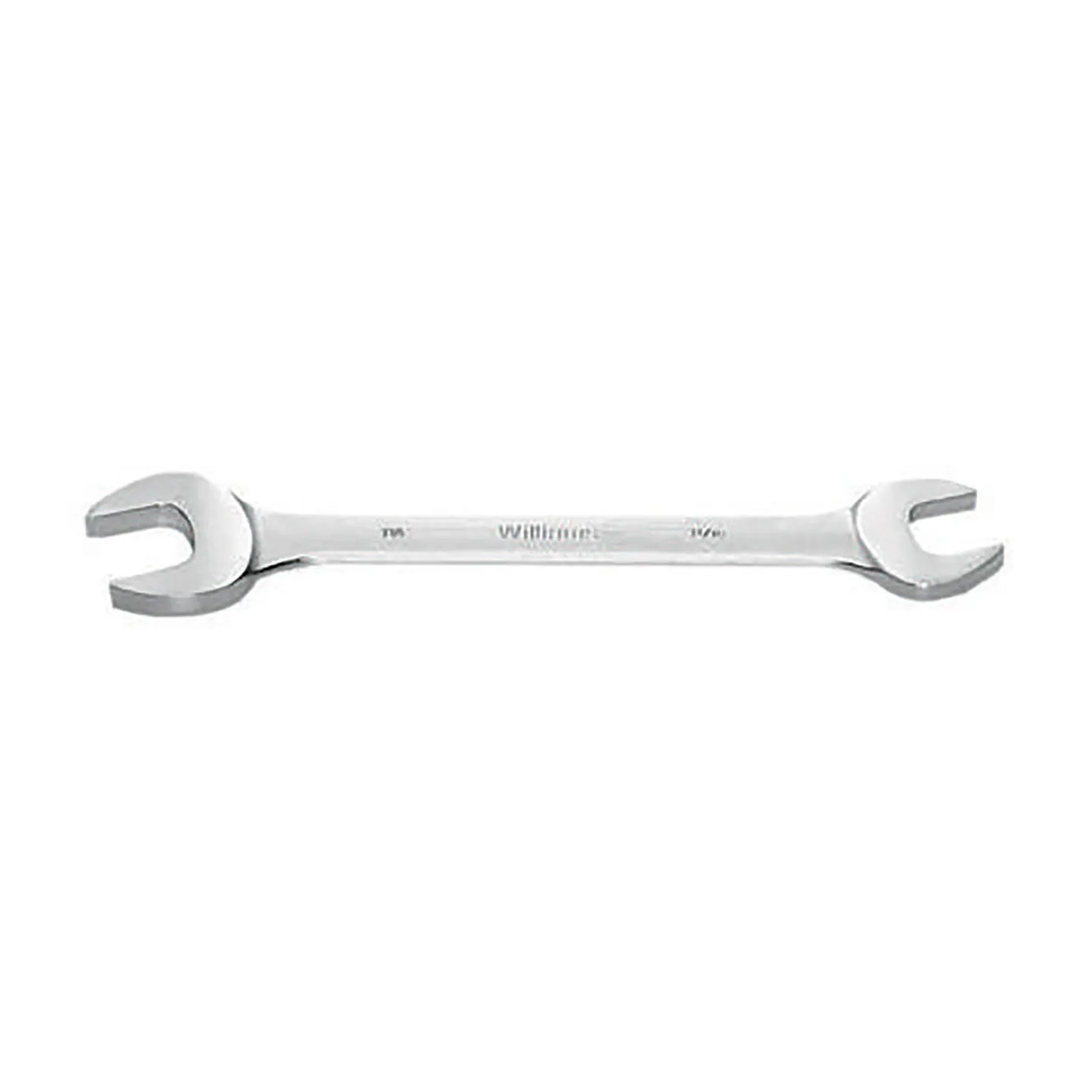

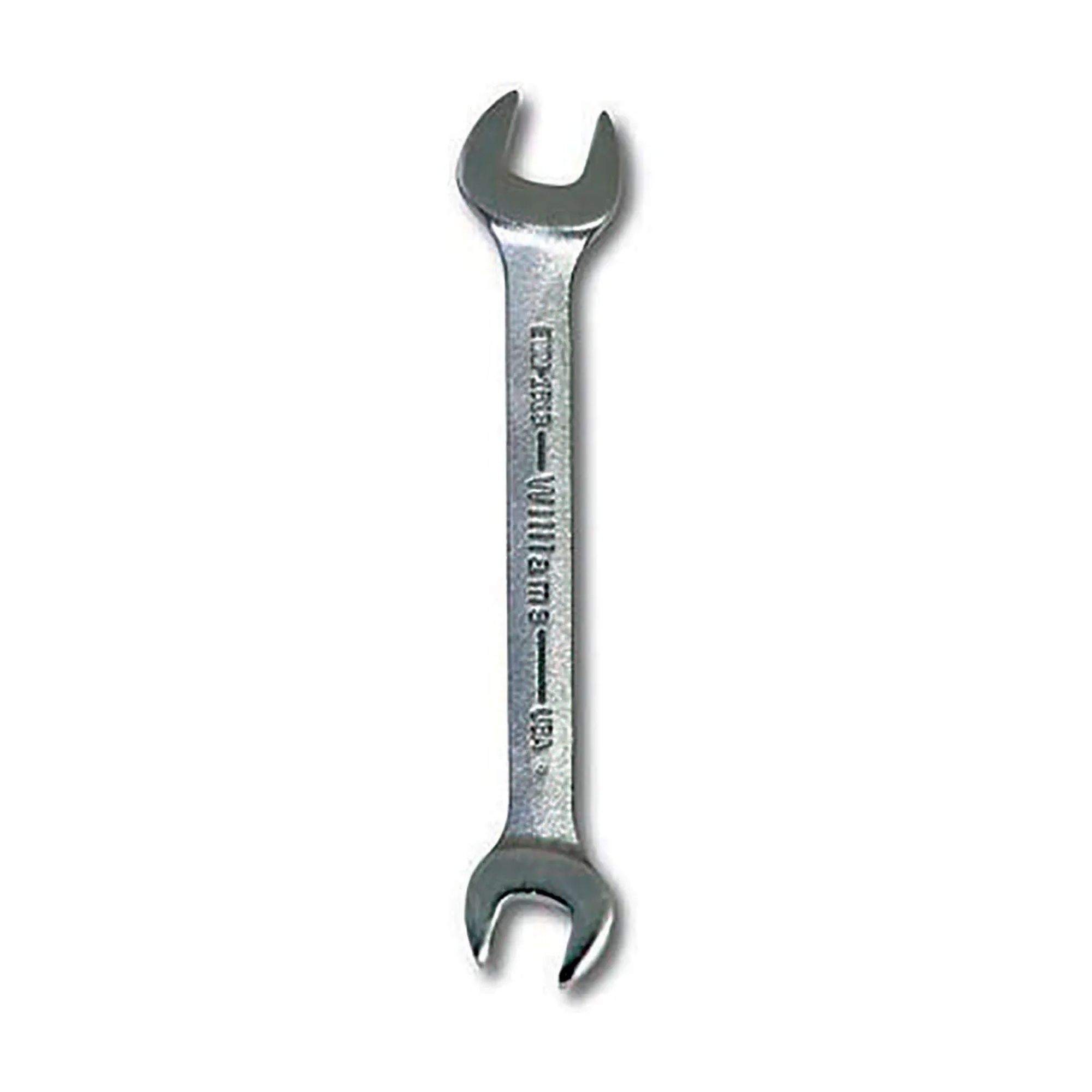

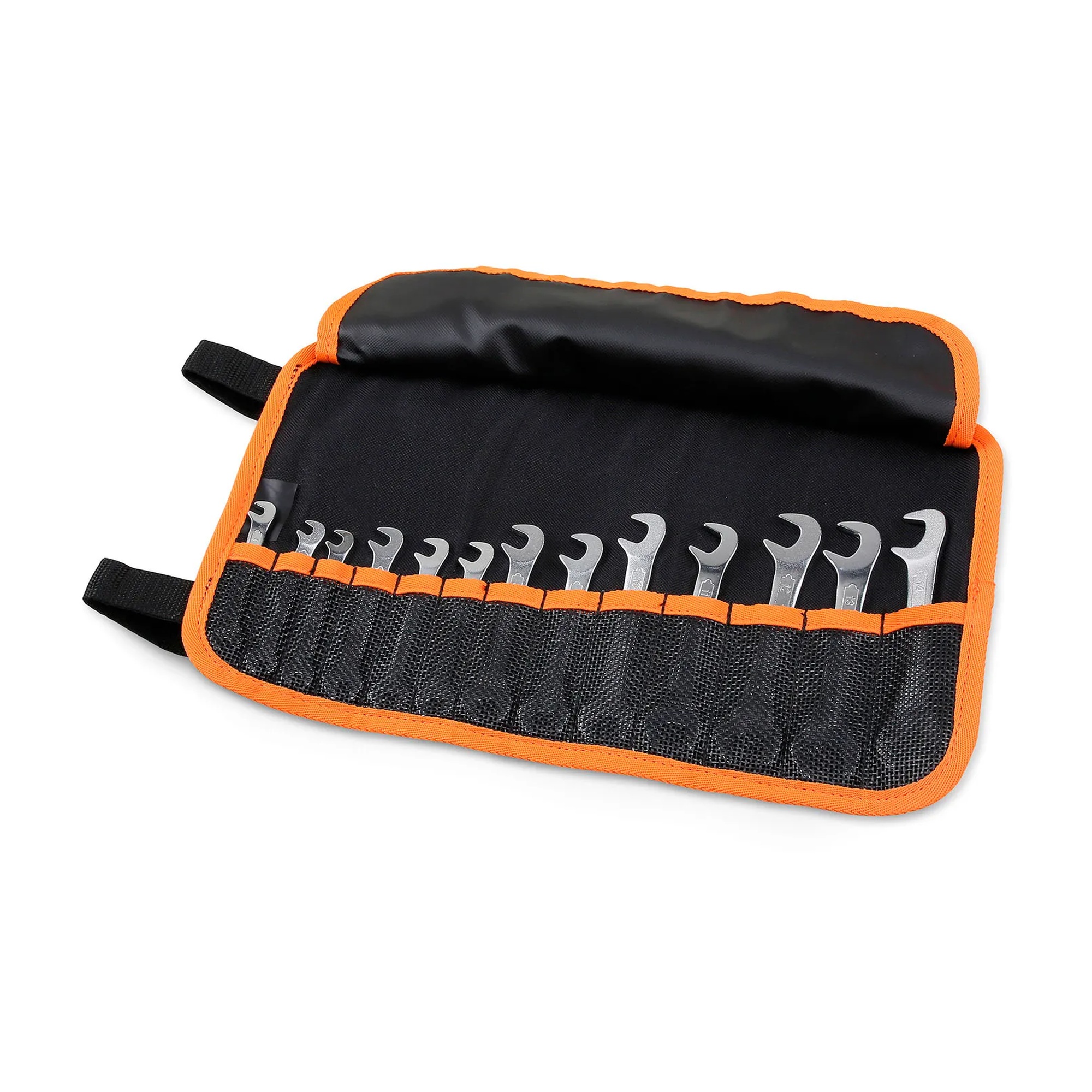
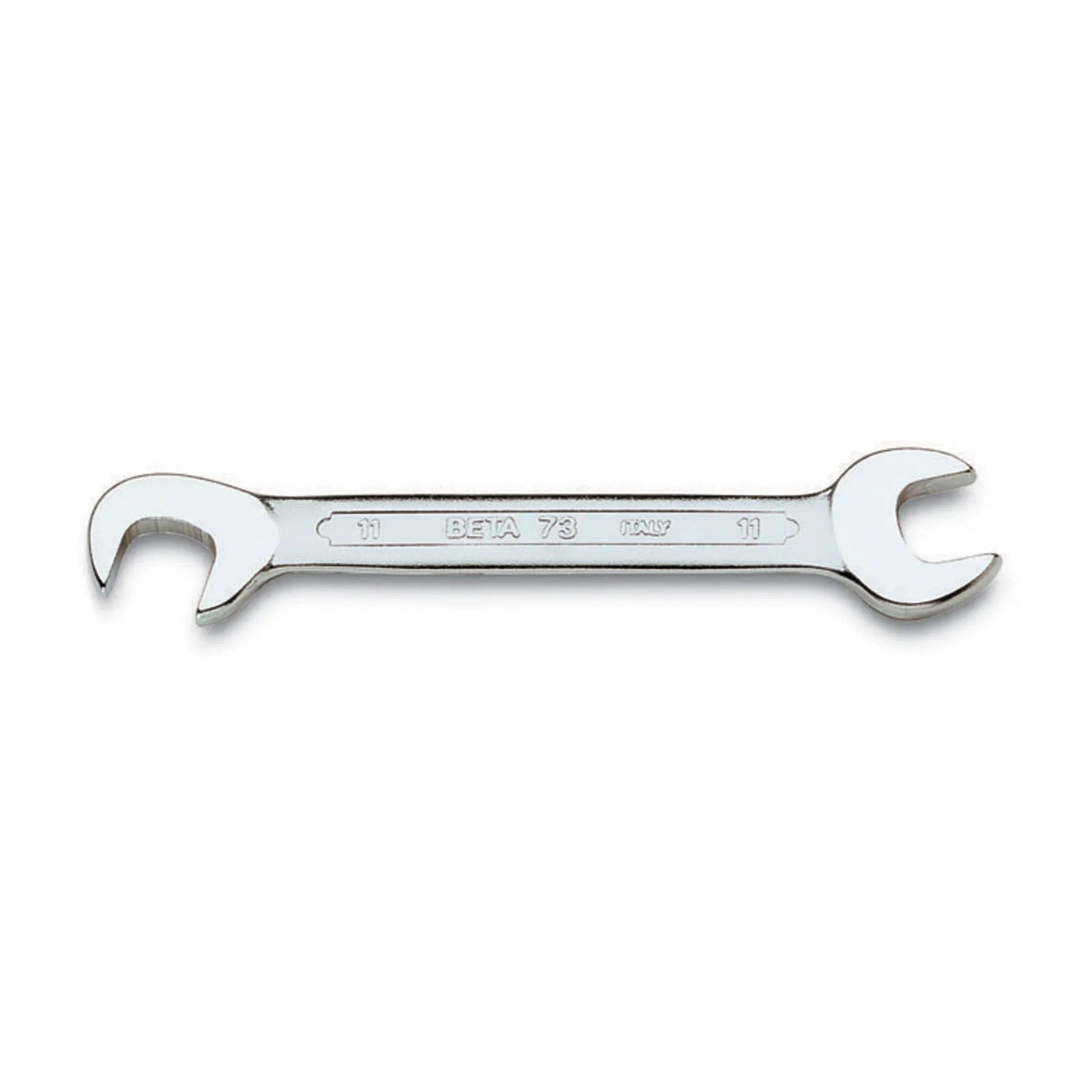


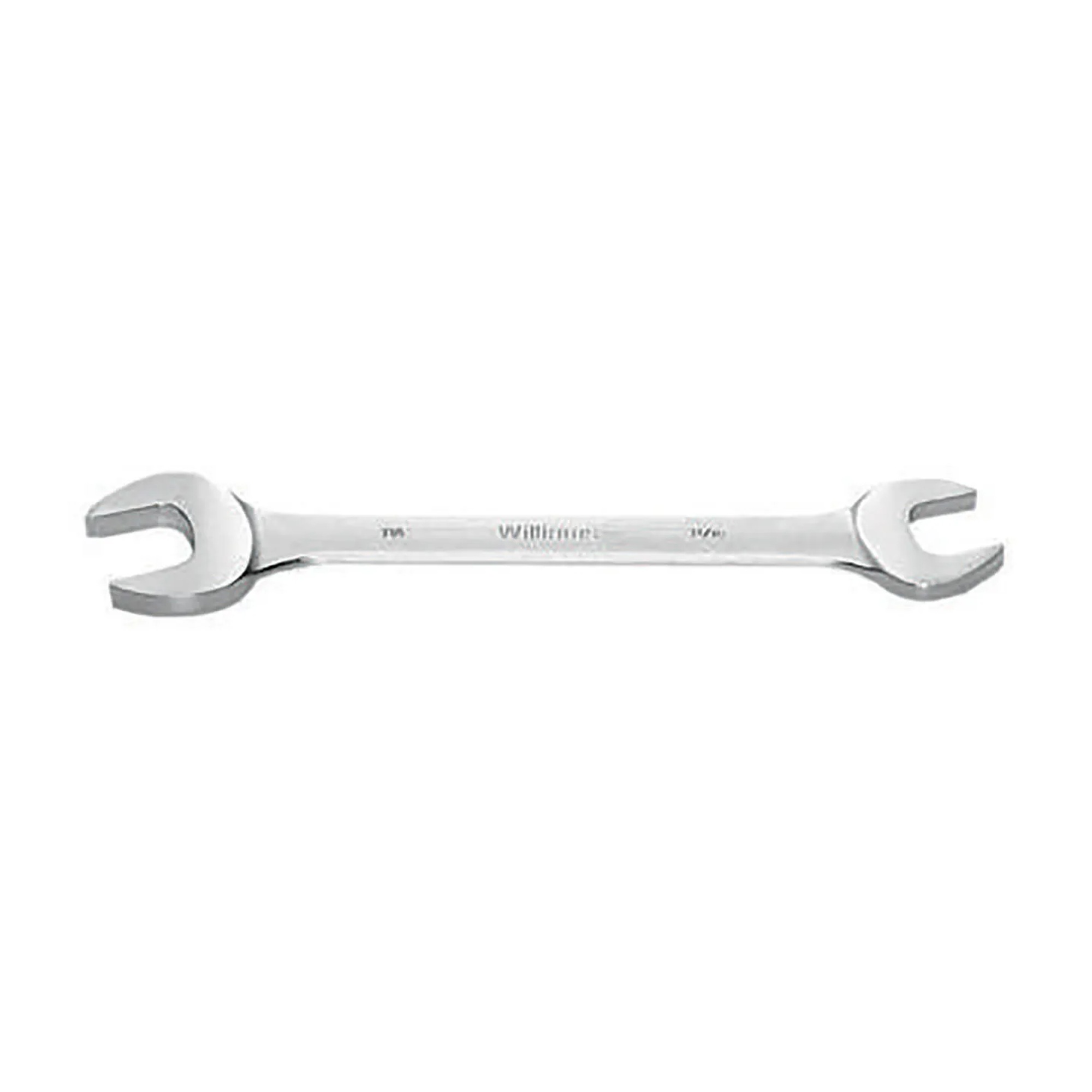
How to Choose Open End Wrenches
Compare the fastener sizing system, opening sizes, wrench format, and access needed for the job. This category includes double-end hand wrenches in metric and fractional-inch sizes, along with crowfoot wrenches that connect to compatible drive tools for restricted-access work.
Popular examples in this category
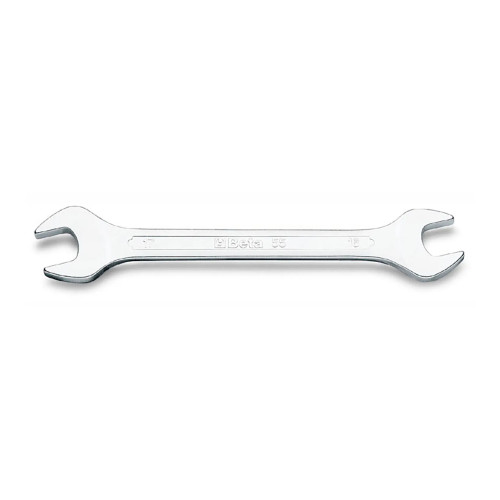 Metric Double-End Open-End Wrench, 16 mm x 17 mmWBB3195959
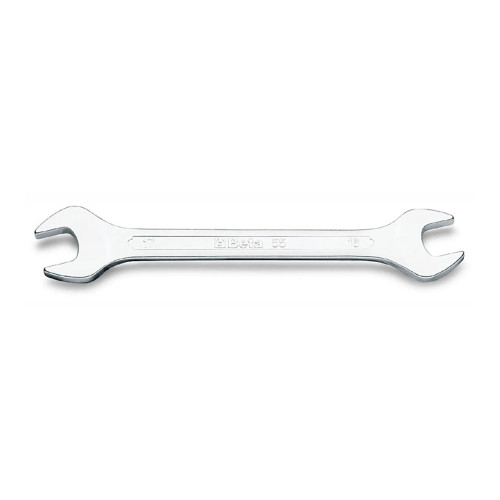 SAE 15° Offset Open-End Wrench, 1/2 in. x 9/16 in.WBB3195962
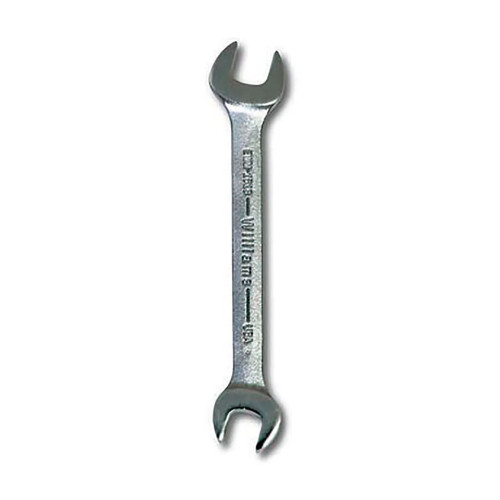 Double-Head Open-End Wrench, 24 mm x 27 mm, Chrome FinishWBB3193485
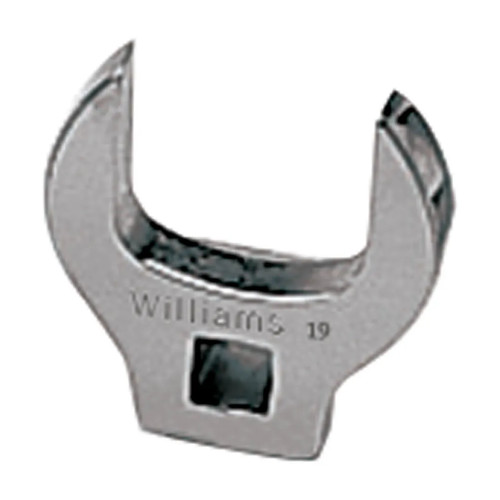 3/8-Inch Drive 16 mm Open-End Crowfoot WrenchWBB3193363
Tighten or loosen compatible fasteners
Use double-end open-end wrenches for routine fastening tasks on compatible metric or fractional-inch hex fasteners. Two working ends provide two sizes in one hand tool.
Match the wrench to the fastener and access
Choose metric or SAE openings to match the hardware. Then compare the required size, whether two sizes on one wrench are helpful, and whether a standard hand wrench or drive-connected crowfoot is better suited to the work area.
Maintenance and repair work
These tools are designed for technicians and maintenance professionals working on fastening, removal, and positioning tasks. Crowfoot styles help reach locations where a standard wrench may be difficult to position.
Consider head and finish details
Angled or offset ends can help with limited access, while compact heads support positioning where clearance is restricted. Available finishes include matte chrome, satin chrome, chrome, and full polish.
Double-end models provide two compatible fastening sizes in one wrench.
Available on selected metric and SAE double-end wrenches to help with access.
Crowfoot options connect with compatible drive tools in these sizes.
The set provides a broad range of sizes for varied fastening applications.
Compare Open End Wrench Types
Use the tool format and connection method to narrow the selection for the fasteners and workspace involved.
| Type | What It Offers | Best Match From This Category |
|---|---|---|
| Metric double-end open-end wrench | Two metric opening sizes in one hand tool; selected models have 15-degree angled ends and compact heads. | Compatible metric hex fasteners and work areas with limited clearance. |
| SAE double-end open-end wrench | Two fractional-inch opening sizes in one hand tool; selected models have 15-degree offset ends. | Compatible fractional-inch fasteners where side engagement and access are needed. |
| Open-end crowfoot wrench or set | An open-end attachment for a compatible 3/8-inch or 1/2-inch drive tool; one set offers 43 pieces. | Restricted-access fasteners where a standard wrench may be difficult to position. |
Plan the right fit before choosing
Choose metric or fractional-inch coverage
Select an opening that matches the compatible fastener. Double-end designs combine two opening sizes on one wrench, while available crowfoot options include individual metric and fractional-inch openings as well as a 43-piece assortment.
- Metric double-end examples span 4 mm x 5 mm through 30 mm x 32 mm.
- SAE double-end examples include 1/4 in. x 9/32 in., 1/2 in. x 9/16 in., and 9/16 in. x 5/8 in.
- Crowfoot examples include 15 mm, 16 mm, and 1-3/4 in. openings.
Compare hand-wrench and crowfoot designs
A standard double-end open-end wrench provides two fixed sizes in a handheld format and can engage a compatible fastener from the side. An open-end crowfoot wrench connects to a compatible drive tool to help extend access where standard wrench positioning is difficult.
- Double-end wrenches offer two opening sizes in one tool.
- Crowfoot wrenches are available with 3/8-inch or 1/2-inch drive connections.
- The 43-piece crowfoot set is intended for confined or restricted-access areas and lower-torque fastening tasks.
Look for access-focused jaw and head features
When working around obstructions or in limited-clearance areas, compare the end geometry and jaw profile. Several double-end wrenches have 15-degree angled or offset ends and compact heads, while specified double-head styles use chamfered ends and a continuous-arc profile.
- 15-degree ends help improve access in tight work areas.
- 45-degree chamfers help make placement onto a fastener easier.
- Continuous-arc profiles help maintain fastener contact and help minimize jaw spreading.
Common questions before buying
What is the difference between metric and SAE open end wrenches?
Metric wrenches use millimeter opening sizes, while SAE wrenches use fractional-inch opening sizes. Match the wrench system and size to the compatible fastener.
Why choose a double-end open-end wrench?
A double-end wrench provides two opening sizes in one hand tool, such as 16 mm and 17 mm or 1/2 in. and 9/16 in.
When should I use an open-end crowfoot wrench?
Use a crowfoot wrench when a standard wrench may be difficult to position. It connects to a compatible drive tool to help reach restricted or obstructed locations.
What do angled, offset, or chamfered ends help with?
Angled or offset ends help improve access in tight areas, and chamfered ends help make placement onto a fastener easier.
How to Choose Open End Wrenches
Compare the fastener sizing system, opening sizes, wrench format, and access needed for the job. This category includes double-end hand wrenches in metric and fractional-inch sizes, along with crowfoot wrenches that connect to compatible drive tools for restricted-access work.
Popular examples in this category
Tighten or loosen compatible fasteners
Use double-end open-end wrenches for routine fastening tasks on compatible metric or fractional-inch hex fasteners. Two working ends provide two sizes in one hand tool.
Match the wrench to the fastener and access
Choose metric or SAE openings to match the hardware. Then compare the required size, whether two sizes on one wrench are helpful, and whether a standard hand wrench or drive-connected crowfoot is better suited to the work area.
Maintenance and repair work
These tools are designed for technicians and maintenance professionals working on fastening, removal, and positioning tasks. Crowfoot styles help reach locations where a standard wrench may be difficult to position.
Consider head and finish details
Angled or offset ends can help with limited access, while compact heads support positioning where clearance is restricted. Available finishes include matte chrome, satin chrome, chrome, and full polish.
Double-end models provide two compatible fastening sizes in one wrench.
Available on selected metric and SAE double-end wrenches to help with access.
Crowfoot options connect with compatible drive tools in these sizes.
The set provides a broad range of sizes for varied fastening applications.
Compare Open End Wrench Types
Use the tool format and connection method to narrow the selection for the fasteners and workspace involved.
| Type | What It Offers | Best Match From This Category |
|---|---|---|
| Metric double-end open-end wrench | Two metric opening sizes in one hand tool; selected models have 15-degree angled ends and compact heads. | Compatible metric hex fasteners and work areas with limited clearance. |
| SAE double-end open-end wrench | Two fractional-inch opening sizes in one hand tool; selected models have 15-degree offset ends. | Compatible fractional-inch fasteners where side engagement and access are needed. |
| Open-end crowfoot wrench or set | An open-end attachment for a compatible 3/8-inch or 1/2-inch drive tool; one set offers 43 pieces. | Restricted-access fasteners where a standard wrench may be difficult to position. |
Plan the right fit before choosing
Choose metric or fractional-inch coverage
Select an opening that matches the compatible fastener. Double-end designs combine two opening sizes on one wrench, while available crowfoot options include individual metric and fractional-inch openings as well as a 43-piece assortment.
- Metric double-end examples span 4 mm x 5 mm through 30 mm x 32 mm.
- SAE double-end examples include 1/4 in. x 9/32 in., 1/2 in. x 9/16 in., and 9/16 in. x 5/8 in.
- Crowfoot examples include 15 mm, 16 mm, and 1-3/4 in. openings.
Compare hand-wrench and crowfoot designs
A standard double-end open-end wrench provides two fixed sizes in a handheld format and can engage a compatible fastener from the side. An open-end crowfoot wrench connects to a compatible drive tool to help extend access where standard wrench positioning is difficult.
- Double-end wrenches offer two opening sizes in one tool.
- Crowfoot wrenches are available with 3/8-inch or 1/2-inch drive connections.
- The 43-piece crowfoot set is intended for confined or restricted-access areas and lower-torque fastening tasks.
Look for access-focused jaw and head features
When working around obstructions or in limited-clearance areas, compare the end geometry and jaw profile. Several double-end wrenches have 15-degree angled or offset ends and compact heads, while specified double-head styles use chamfered ends and a continuous-arc profile.
- 15-degree ends help improve access in tight work areas.
- 45-degree chamfers help make placement onto a fastener easier.
- Continuous-arc profiles help maintain fastener contact and help minimize jaw spreading.
Common questions before buying
What is the difference between metric and SAE open end wrenches?
Metric wrenches use millimeter opening sizes, while SAE wrenches use fractional-inch opening sizes. Match the wrench system and size to the compatible fastener.
Why choose a double-end open-end wrench?
A double-end wrench provides two opening sizes in one hand tool, such as 16 mm and 17 mm or 1/2 in. and 9/16 in.
When should I use an open-end crowfoot wrench?
Use a crowfoot wrench when a standard wrench may be difficult to position. It connects to a compatible drive tool to help reach restricted or obstructed locations.
What do angled, offset, or chamfered ends help with?
Angled or offset ends help improve access in tight areas, and chamfered ends help make placement onto a fastener easier.