

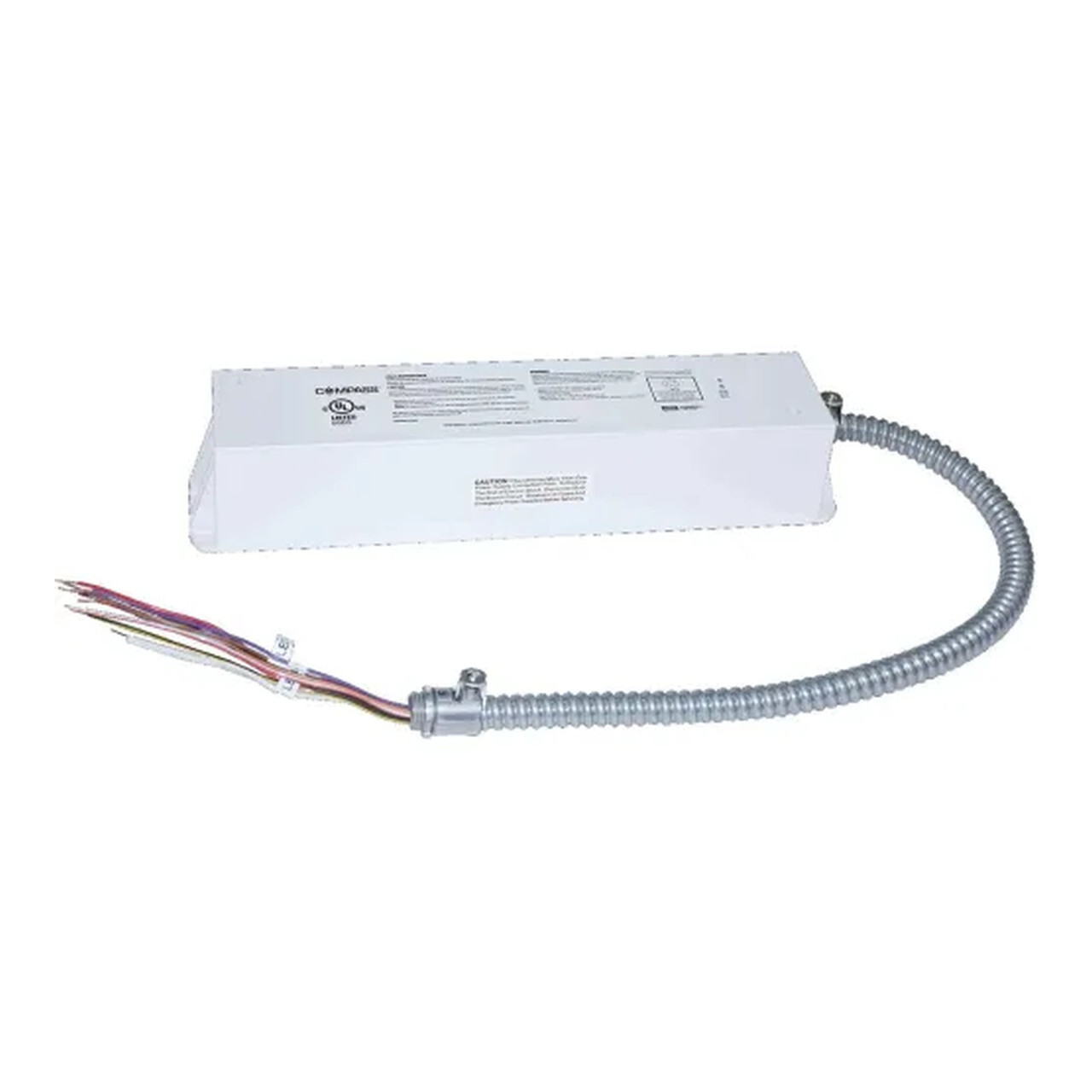
-
PROCELL
CR2032 3V Lithium Coin Battery, 5-Pack
Our Price:$3.23This 5-pack of CR2032 3V lithium coin batteries is for buyers replacing compatible coin-cell batteries. It provides a convenient supply of matching 3V batteries for routine replacement needs.Each...
-
PROCELL
High-Power CR2 3V Lithium Battery
Our Price:$3.58This high-power CR2 3V lithium battery is for commercial buyers and maintenance teams that need replacement power for CR2-compatible equipment. It provides a 3V battery option in the CR2 format.This...
-
AJC Battery
M32F-Compatible Alarm Replacement Battery, 12V 5Ah, F1
Our Price:$24.49This 12V 5Ah replacement battery is for buyers maintaining alarm units that use an M32F-compatible battery. It provides a replacement power source for restoring the battery in the existing unit.The...
-
AJC Battery
PL3-Compatible 6V 7Ah Alarm Replacement Battery
Our Price:$16.49This 6V 7Ah replacement battery is designed for users maintaining alarm systems that use a PL3 battery. It provides a replacement power source to help restore compatible alarm equipment to service...
-
AJC Battery
XDT12 Alarm Replacement Battery, 12V 5Ah F1
Our Price:$24.49This 12V 5Ah replacement battery is for users replacing the battery in an XDT12 alarm unit. It provides a maintenance-free power replacement while allowing the existing cabling and hardware to be...


Batteries & Charging: Power the Right Device the Right Way
From everyday AA cells in remote controls to specialized alarm system batteries and smart chargers, this category covers every power need across home, office, and facility environments. Use the subcategory paths below to find the right battery size, chemistry, or charging solution for your specific application.
Choose your starting point
Popular examples in this category
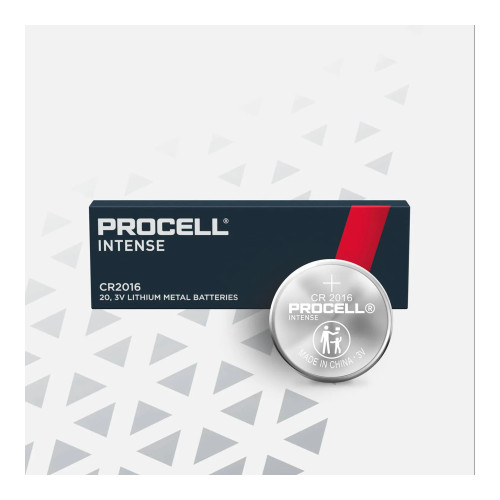 3V CR2016 Lithium Coin Batteries, 5-PackWBB3170572
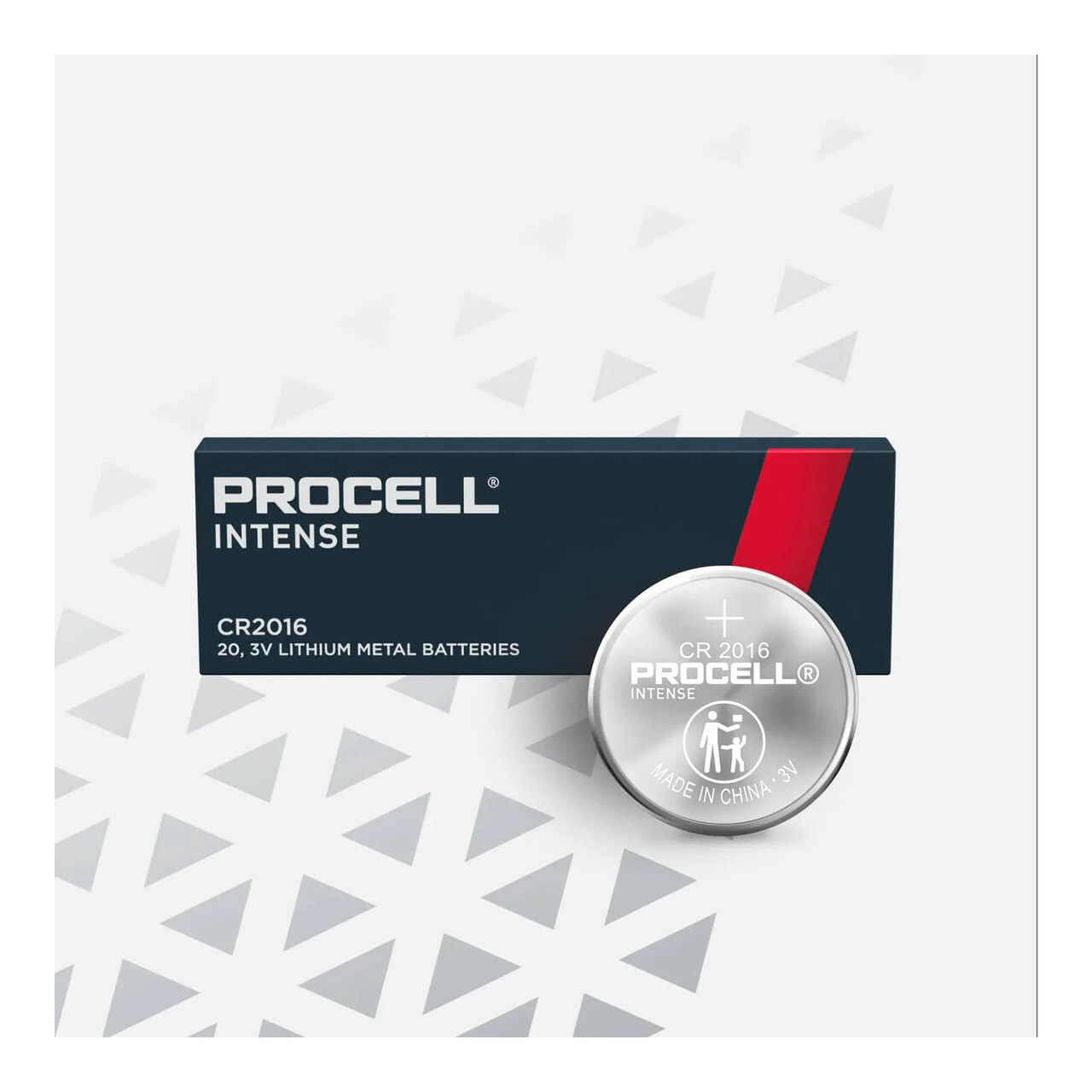 3V Batteries
Keeping Devices and Systems Running
Batteries and chargers power everything from handheld tools and office equipment to security panels and emergency lighting. Whether you need disposable cells for daily use or rechargeable options for high-drain devices, this category covers both routine replacements and planned power setups.
Match the Battery to the Device and Demand
Start with the battery size your device requires, then consider how often it runs and how critical uptime is. High-drain devices benefit from lithium chemistry. Frequent replacements justify rechargeable options. Alarm and backup systems often require specific voltages—check your equipment manual before ordering.
Where These Products Get Used
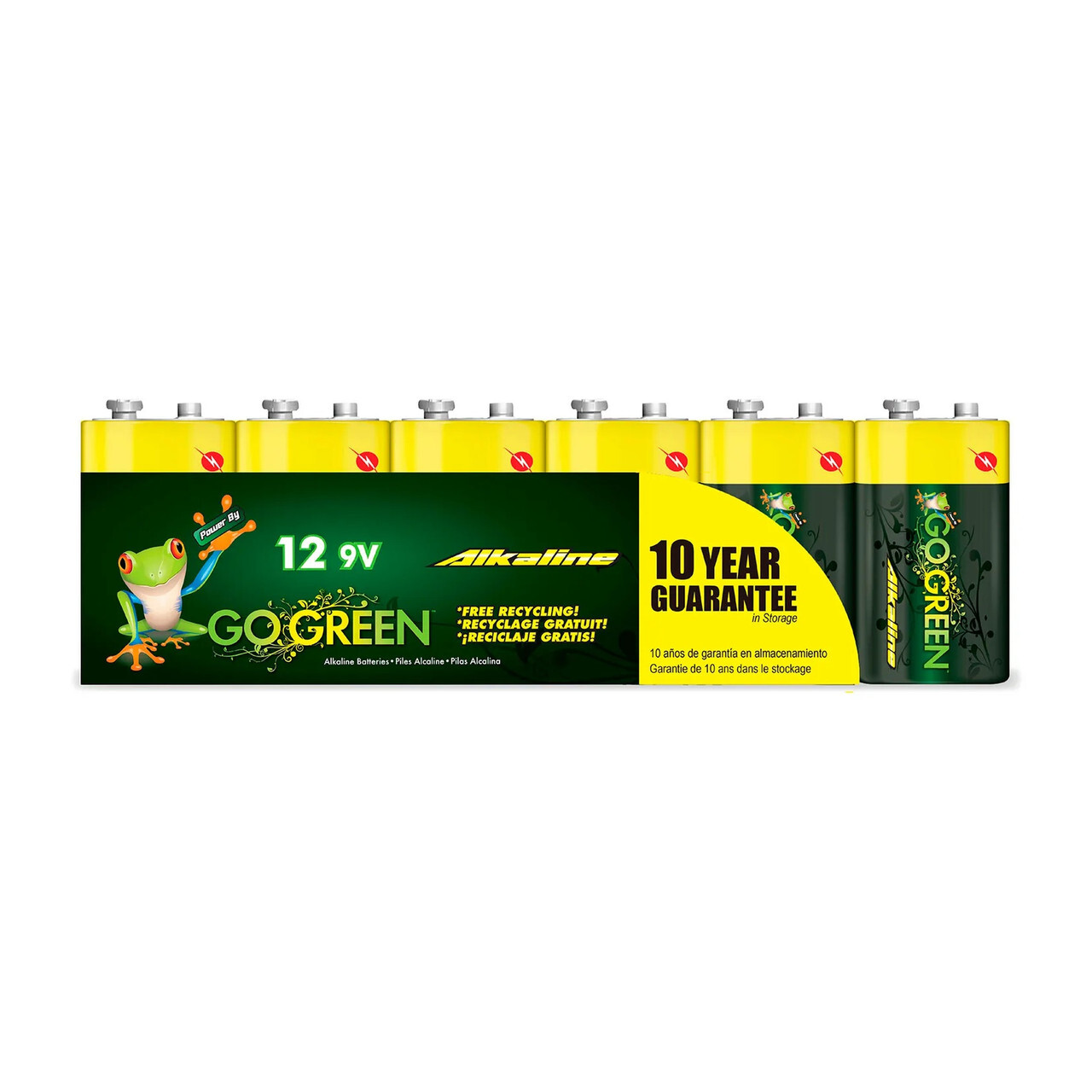
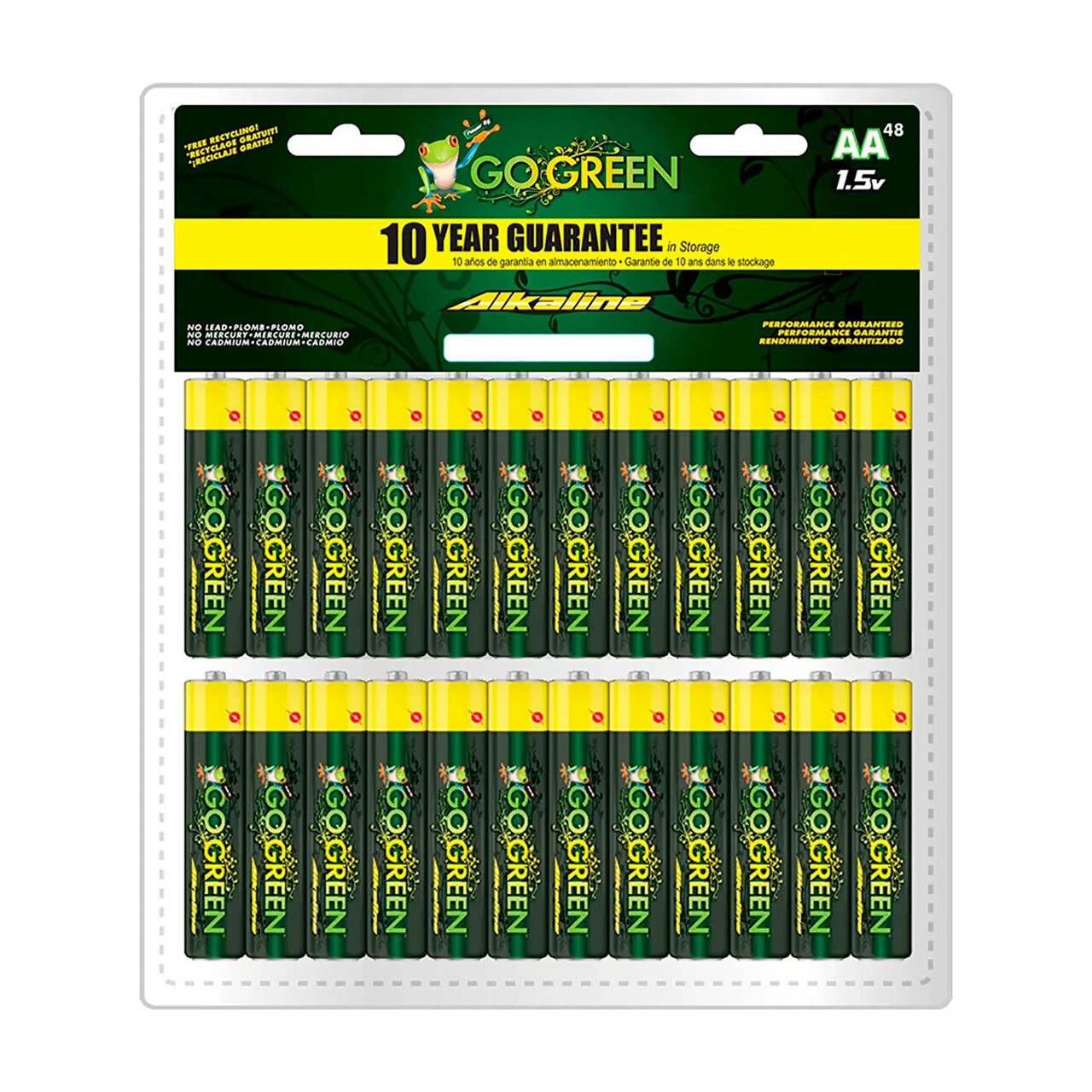
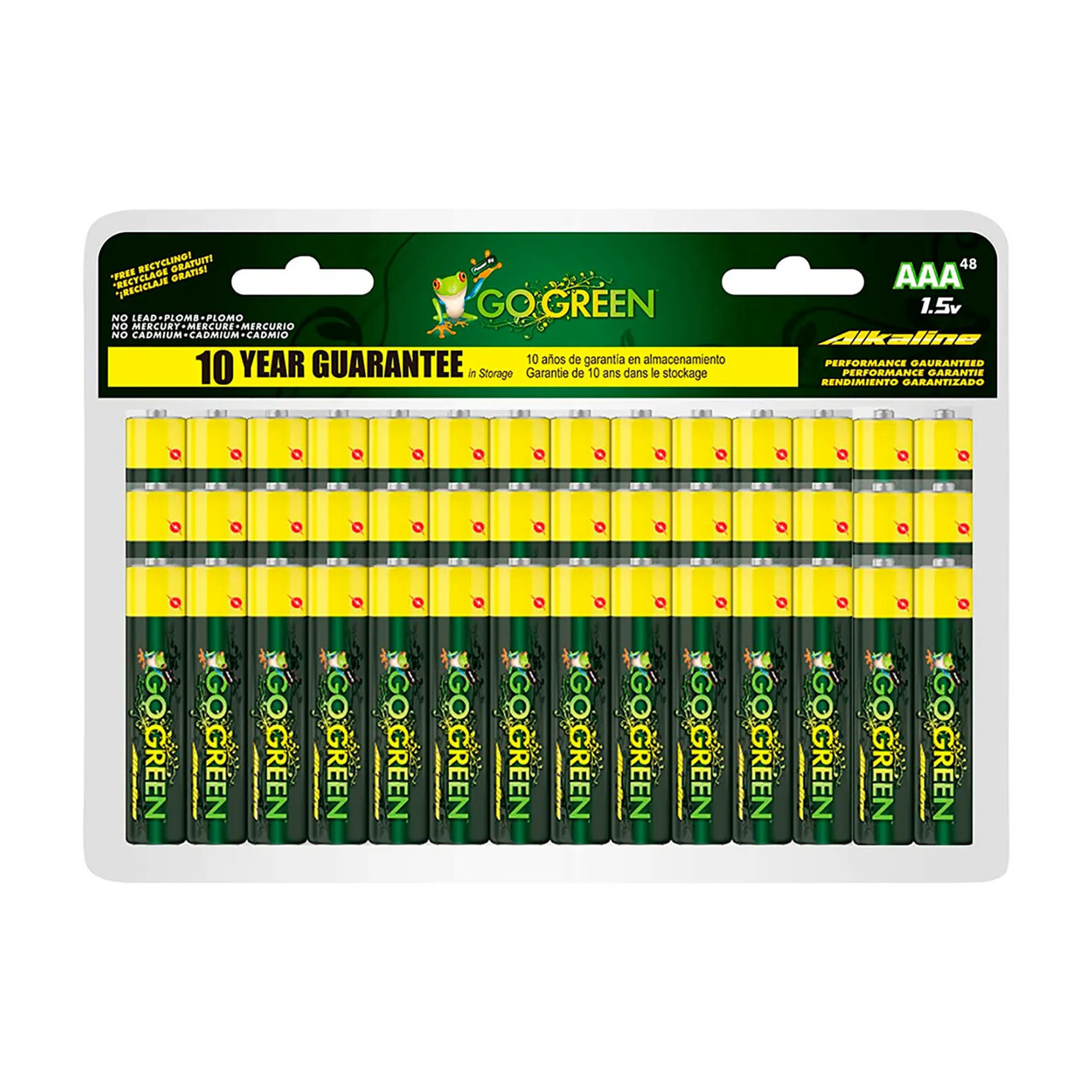
AA and AAA batteries cover most office and facility devices. C and D cells handle high-capacity needs like flashlights and radios. 9V batteries are standard in smoke detectors and test equipment. 3V batteries power remotes and sensors. Alarm system batteries keep security panels live during outages.
Storage, Shelf Life, and Safety Basics
Store batteries in a cool, dry place away from metal objects. Most alkaline batteries carry a shelf life of 5–10 years when stored properly. Never mix old and new batteries in the same device. Rechargeable batteries should be cycled regularly and stored at partial charge to extend lifespan.
Which Subcategory Do You Need?
Use this table to match your power need to the right starting point.
| Need | Best Fit | Why It Matters |
|---|---|---|
| Everyday office and facility devices (remotes, clocks, keyboards) | AA or AAA Batteries | The most common sizes; wide device compatibility and easy bulk stocking |
| High-capacity devices like flashlights, lanterns, or radios | C or D Batteries | Larger cell size delivers more capacity for high-drain or extended-use equipment |
| Smoke detectors, carbon monoxide alarms, or test meters | 9V Batteries | Standard voltage for most detector and meter applications; critical for safety device uptime |
| Sensors, key fobs, remotes, and small electronics | 3V Batteries | Compact lithium cells designed for low-drain devices with long standby requirements |
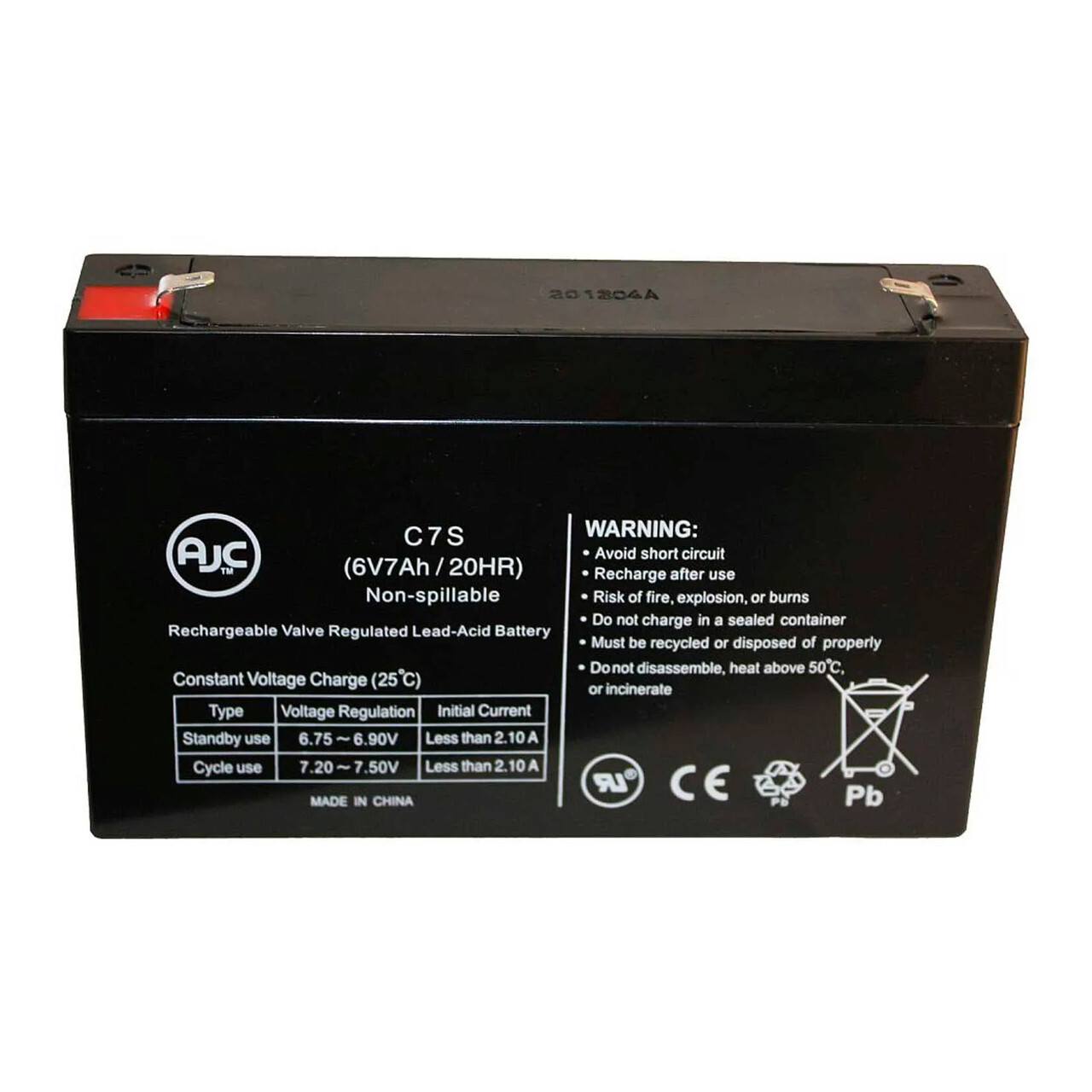
| Security panels, alarm systems, or backup power units | Alarm System Batteries | Sized and rated specifically for panel backup; check your system specs before ordering |
| Reducing disposable battery costs across many devices | Battery Chargers | Pairs with rechargeable cells to lower long-term cost and reduce replacement frequency |
Plan the right fit before choosing
Step 1: Identify Your Device Requirements
Before purchasing, confirm the battery size, voltage, and quantity your device requires. Check the battery compartment label or equipment manual. Mixing sizes or voltages can damage equipment or reduce performance.
- Note the exact battery size printed in the device compartment (AA, AAA, C, D, 9V, 3V, etc.)
- Check whether the device requires alkaline, lithium, or a specific rechargeable chemistry
- Confirm voltage requirements for alarm panels and backup systems before substituting battery types
Step 2: Estimate Volume and Replacement Frequency
High-use environments like warehouses, schools, or facilities with many devices benefit from bulk purchasing and a battery charger program. Calculate how many devices you maintain and how often batteries are replaced to determine the right stocking quantity.
- Inventory all battery-powered devices by size to consolidate orders
- Consider rechargeable batteries and a quality charger for devices replaced more than once a month
- Keep a small reserve stock of alarm system batteries for emergency replacements
Step 3: Choose Disposable or Rechargeable
Disposable batteries are convenient for low-drain or infrequently used devices. Rechargeable batteries reduce long-term cost and waste for high-drain or frequently used equipment. A battery charger compatible with your battery chemistry is essential for any rechargeable program.
- Use disposable alkaline or lithium for smoke detectors, remotes, and backup devices
- Use rechargeable NiMH batteries for cameras, handheld scanners, and other high-drain tools
- Select a charger that matches your battery chemistry and supports the cell sizes you use most
This category covers eight distinct subcategories spanning common consumer sizes, specialty voltages, alarm system batteries, and battery chargers.
Available subcategories span from 3V coin and lithium cells used in sensors and remotes up to 9V batteries standard in detectors and test equipment.
Most alkaline batteries retain usable charge for 5 to 10 years when stored in cool, dry conditions, making bulk stocking practical for facilities.
A single battery charger paired with rechargeable cells can offset the cost of hundreds of disposable batteries over its usable life.
Common questions before buying
What is the difference between alkaline and lithium batteries?
Alkaline batteries are the standard choice for most everyday devices and offer a good balance of cost and performance. Lithium batteries last longer in high-drain devices, perform better in extreme temperatures, and have a longer shelf life, making them a better fit for critical or outdoor applications.
Can I use rechargeable batteries in any device that takes standard AA or AAA cells?
Most devices that accept AA or AAA batteries will work with rechargeable NiMH cells. However, rechargeable batteries typically output 1.2V versus 1.5V for alkaline, which can affect performance in some devices. Check your equipment documentation if you are unsure.
How do I know which battery my alarm system or security panel needs?
Refer to your alarm panel's user manual or the label inside the panel housing. Alarm system batteries are typically sealed lead-acid or specific lithium packs rated for backup power. Using the wrong type can affect system reliability and may void equipment warranties.
What should I look for in a battery charger?
Choose a charger that is compatible with the battery chemistry you use (NiMH, NiCd, lithium-ion) and supports the cell sizes in your inventory. Features like individual cell charging, overcharge protection, and charge status indicators help extend battery life and prevent damage.