
-
Bahco
Insulated Diagonal Cutting Pliers, Red/Yellow
Our Price:$52.94These insulated diagonal cutting pliers are designed for electricians and maintenance professionals who need to cut wire while working on live equipment up to 1000V. The angled cutting-head design...
-
Knipex
Three-Position Contact Crimping Pliers with Comfort Grip
Our Price:$195.94These crimping pliers are designed for professionals who install or service electrical contacts. They crimp three-position contacts with controlled pressure to support consistent connection work.The...


Choose diagonal cutting pliers for the work at hand
Start with the wire or task you need to handle, then compare cutting style, tool size, handle design, and features that support access or repeated use. The available options range from compact flush cutters to heavy-duty wire cutters, plus a contact crimping tool for solder-free electrical connections.
Popular examples in this category
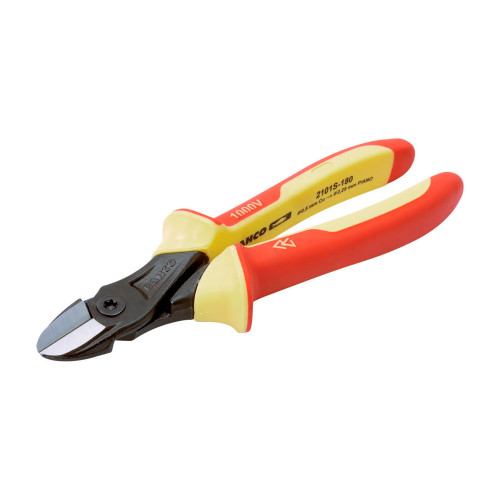 7-Inch Diagonal Cutting Pliers with Insulated HandlesWBB3191371
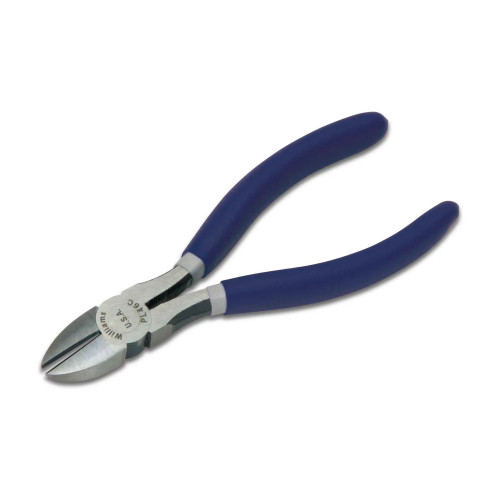 11-Inch Blue Diagonal Cutting PliersWBB3191343
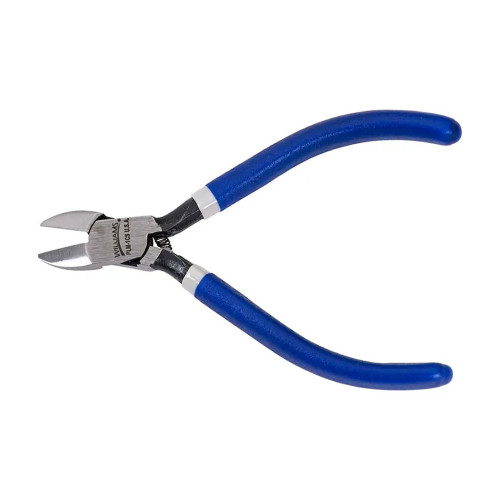 Blue 4-1/4-Inch Diagonal Flush-Cutting Pliers with SpringWBB3191356
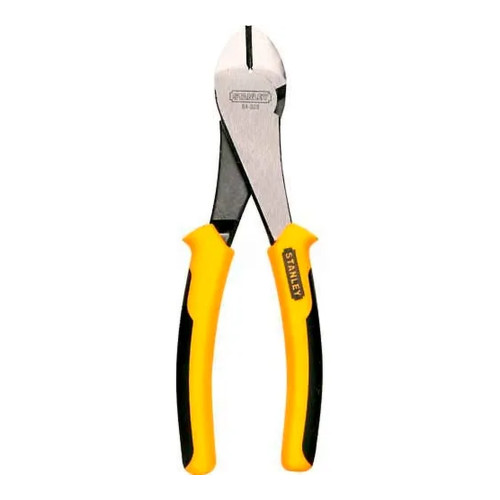 7-Inch Diagonal Cutting PliersWBB983471
Match the tool to the task
Choose diagonal cutters for routine wire cutting, hard-wire cutting, close cuts on medium wire, or general shop and maintenance work. Select contact crimping pliers when the task is making solder-free electrical connections.
Compare wire type and cutting style
For hard wire, look for induction-hardened or hardened cutting edges and a regular flush-cutter design where specified. For close cuts on medium wire, select flush-cutting edges. For soft and hard wire, consider individually sharpened blades.
Plan for workspace and handling
Compact 5-inch and 6-inch tools suit general cutting work, while several 7-inch options are intended for wire cutting. Rounded jaws can improve access in confined spaces, and angled heads can support access during crimping.
Consider comfort and tool features
Comfort grips, bi-material handles, two-component handles, and spring-equipped designs can support handling during routine work. Polished heads and phosphate finishes are available on selected tools to help resist corrosion.
Available on several diagonal cutting pliers for a compact hand-tool format.
Available in a regular flush-cutting design for hard wire.
Provided by the insulated-handle 7-inch cutter.
Supports 7, 5, and 3 AWG applications.
Compare the available tool types
Use this overview to distinguish the cutting and crimping configurations represented in this category.
| Tool type | Best-fit tasks | Features to compare |
|---|---|---|
| Diagonal cutting pliers | General cutting, soft wire, hard wire, and routine maintenance work | Size, hardened edges, handle grip, joint construction, and corrosion-resistant finish |
| Flush-cutting diagonal pliers | Hard-wire cutting or close cuts on medium wire, depending on the model | Regular flush-cutter or flush-cutting edge design, spring configuration, and compact size |
| Contact crimping pliers | Solder-free electrical connections | Three crimping positions, 7/5/3 AWG applications, calibrated pressure, and lever transmission |
Plan the right fit before choosing
Choose a cutter based on the material and cut you need
The selection includes tools described for hard wire, soft and hard wire, medium wire, and general cutting tasks. Cutting-edge design is an important comparison point.
- Induction-hardened edges are featured on multiple tools for wire-cutting performance.
- Regular flush cutters are offered for hard-wire work.
- Flush-cutting edges are available for close cuts on medium wire.
- Hardened edges on one hot-forged model are intended for tough wire, including non-uniform drawn steel.
Select a format that fits the work area and handling preference
Available tool sizes include compact 5-inch, 6-inch, 6-1/4-inch, 7-inch, 10-inch crimping, and 11-inch options. Construction and operating features vary by model.
- Rounded jaws can improve access in confined spaces.
- A reduced joint-to-edge distance provides greater leverage and increased cutting capacity on one heavy-duty side cutter.
- Return springs or action springs support repeatable operation on selected tools.
- Screw-joint construction can help maintain cutting-edge alignment.
Look for the handle and connection features that fit your application
Handle construction ranges from comfort grips and blue handles to slip-resistant bi-material and two-component grips. One insulated 7-inch cutter supports work on live equipment up to 1,000V, while the 10-inch crimping pliers are designed for specified contact sizes.
- Insulated handles are specified for work on live equipment up to 1,000V.
- The three-position crimper supports 7, 5, and 3 AWG applications.
- Factory-calibrated pressure supports controlled, repeatable crimping.
- Lever transmission helps reduce hand force compared with regular crimping pliers.
Common questions before buying
What are diagonal cutting pliers used for?
They are used for cutting wire and other materials in maintenance, repair, shop, and electrical work.
Which tools are intended for hard wire?
Several diagonal cutters are described for hard wire, including models with induction-hardened edges and regular flush-cutter designs.
Are flush-cutting options available?
Yes. Regular flush cutters are available for hard-wire work, and flush-cutting edges are available for close cuts on medium wire.
Is there an option for electrical contact crimping?
Yes. The 10-inch contact crimping pliers have three positions for 7, 5, and 3 AWG applications and are designed for solder-free electrical connections.
Choose diagonal cutting pliers for the work at hand
Start with the wire or task you need to handle, then compare cutting style, tool size, handle design, and features that support access or repeated use. The available options range from compact flush cutters to heavy-duty wire cutters, plus a contact crimping tool for solder-free electrical connections.
Popular examples in this category
Match the tool to the task
Choose diagonal cutters for routine wire cutting, hard-wire cutting, close cuts on medium wire, or general shop and maintenance work. Select contact crimping pliers when the task is making solder-free electrical connections.
Compare wire type and cutting style
For hard wire, look for induction-hardened or hardened cutting edges and a regular flush-cutter design where specified. For close cuts on medium wire, select flush-cutting edges. For soft and hard wire, consider individually sharpened blades.
Plan for workspace and handling
Compact 5-inch and 6-inch tools suit general cutting work, while several 7-inch options are intended for wire cutting. Rounded jaws can improve access in confined spaces, and angled heads can support access during crimping.
Consider comfort and tool features
Comfort grips, bi-material handles, two-component handles, and spring-equipped designs can support handling during routine work. Polished heads and phosphate finishes are available on selected tools to help resist corrosion.
Available on several diagonal cutting pliers for a compact hand-tool format.
Available in a regular flush-cutting design for hard wire.
Provided by the insulated-handle 7-inch cutter.
Supports 7, 5, and 3 AWG applications.
Compare the available tool types
Use this overview to distinguish the cutting and crimping configurations represented in this category.
| Tool type | Best-fit tasks | Features to compare |
|---|---|---|
| Diagonal cutting pliers | General cutting, soft wire, hard wire, and routine maintenance work | Size, hardened edges, handle grip, joint construction, and corrosion-resistant finish |
| Flush-cutting diagonal pliers | Hard-wire cutting or close cuts on medium wire, depending on the model | Regular flush-cutter or flush-cutting edge design, spring configuration, and compact size |
| Contact crimping pliers | Solder-free electrical connections | Three crimping positions, 7/5/3 AWG applications, calibrated pressure, and lever transmission |
Plan the right fit before choosing
Choose a cutter based on the material and cut you need
The selection includes tools described for hard wire, soft and hard wire, medium wire, and general cutting tasks. Cutting-edge design is an important comparison point.
- Induction-hardened edges are featured on multiple tools for wire-cutting performance.
- Regular flush cutters are offered for hard-wire work.
- Flush-cutting edges are available for close cuts on medium wire.
- Hardened edges on one hot-forged model are intended for tough wire, including non-uniform drawn steel.
Select a format that fits the work area and handling preference
Available tool sizes include compact 5-inch, 6-inch, 6-1/4-inch, 7-inch, 10-inch crimping, and 11-inch options. Construction and operating features vary by model.
- Rounded jaws can improve access in confined spaces.
- A reduced joint-to-edge distance provides greater leverage and increased cutting capacity on one heavy-duty side cutter.
- Return springs or action springs support repeatable operation on selected tools.
- Screw-joint construction can help maintain cutting-edge alignment.
Look for the handle and connection features that fit your application
Handle construction ranges from comfort grips and blue handles to slip-resistant bi-material and two-component grips. One insulated 7-inch cutter supports work on live equipment up to 1,000V, while the 10-inch crimping pliers are designed for specified contact sizes.
- Insulated handles are specified for work on live equipment up to 1,000V.
- The three-position crimper supports 7, 5, and 3 AWG applications.
- Factory-calibrated pressure supports controlled, repeatable crimping.
- Lever transmission helps reduce hand force compared with regular crimping pliers.
Common questions before buying
What are diagonal cutting pliers used for?
They are used for cutting wire and other materials in maintenance, repair, shop, and electrical work.
Which tools are intended for hard wire?
Several diagonal cutters are described for hard wire, including models with induction-hardened edges and regular flush-cutter designs.
Are flush-cutting options available?
Yes. Regular flush cutters are available for hard-wire work, and flush-cutting edges are available for close cuts on medium wire.
Is there an option for electrical contact crimping?
Yes. The 10-inch contact crimping pliers have three positions for 7, 5, and 3 AWG applications and are designed for solder-free electrical connections.