
-
Dead Blow Hammer with 2-3/16 in. Face and 14 in. Handle
Our Price:$77.94This dead blow hammer is designed for maintenance, assembly, and repair professionals who need controlled strikes while helping protect finished or delicate work surfaces. Its rubber surface supports...
-
Dead Blow Hammer with 2-9/16 in. Face Diameter and 15 in. Handle
Our Price:$98.94This dead blow hammer is designed for commercial users who need controlled hammering with reduced rebound. Its rubber surface helps users maintain a secure grip during striking, including when hands...
-
Dead Blow Hammer with Interchangeable Plastic Faces
Our Price:$209.94This dead blow hammer is designed for professionals who need controlled striking with reduced rebound and vibration. Its weighted head helps users deliver balanced impacts while improving accuracy...
-
Dead Blow Hammer with Interchangeable Plastic Faces, 1-15/16 in. Face Diameter
Our Price:$139.94This dead blow hammer is designed for trade professionals and maintenance teams who need controlled striking with reduced rebound. Its interchangeable plastic faces help users tailor impact and...
-
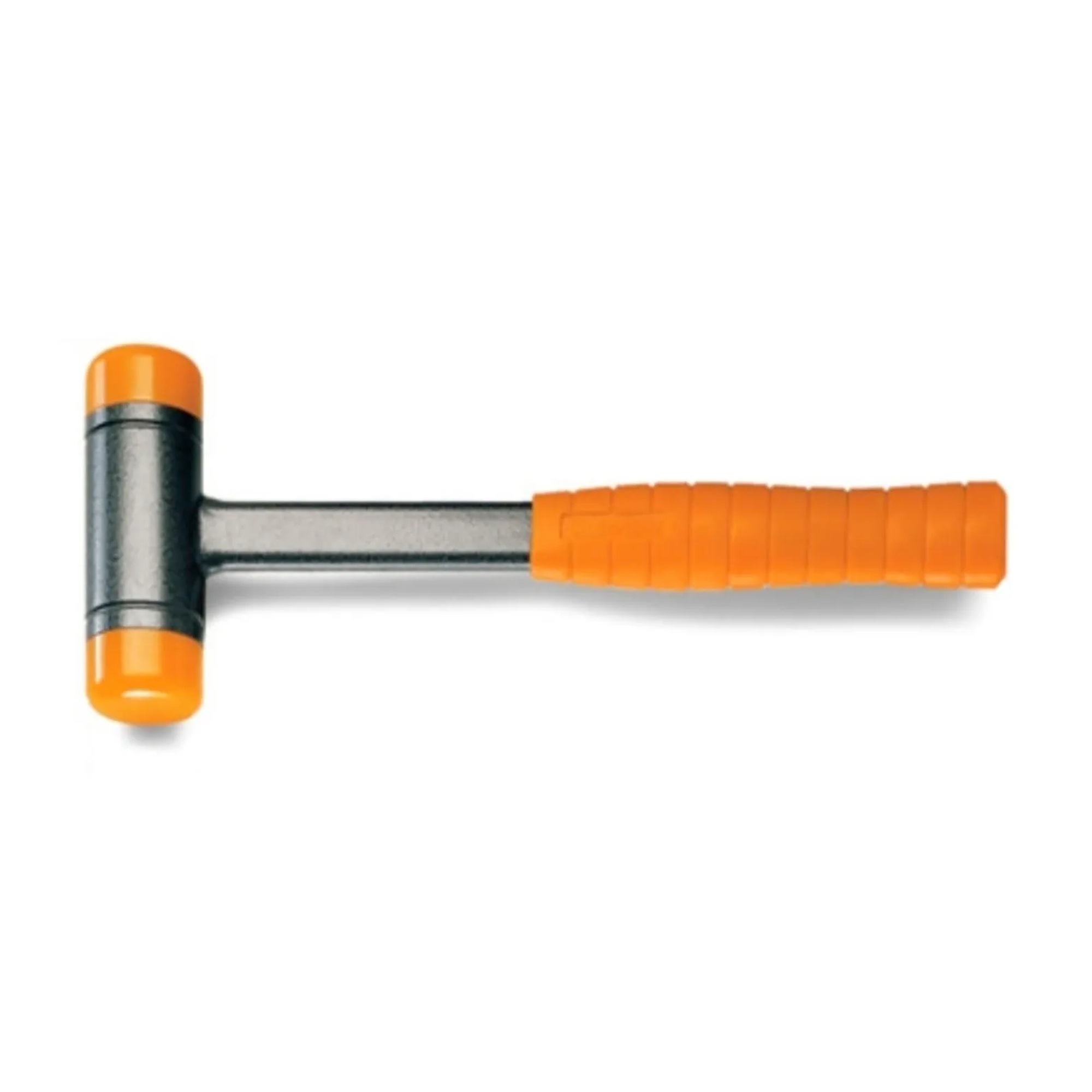
Dead Blow Hammer with Interchangeable Plastic Faces, 1-3/8 in. Face Diameter
Our Price:$99.94This dead blow hammer is a hand tool for maintenance and shop professionals who need controlled striking with reduced rebound. Its weighted head design helps support accurate impacts while reducing...
-
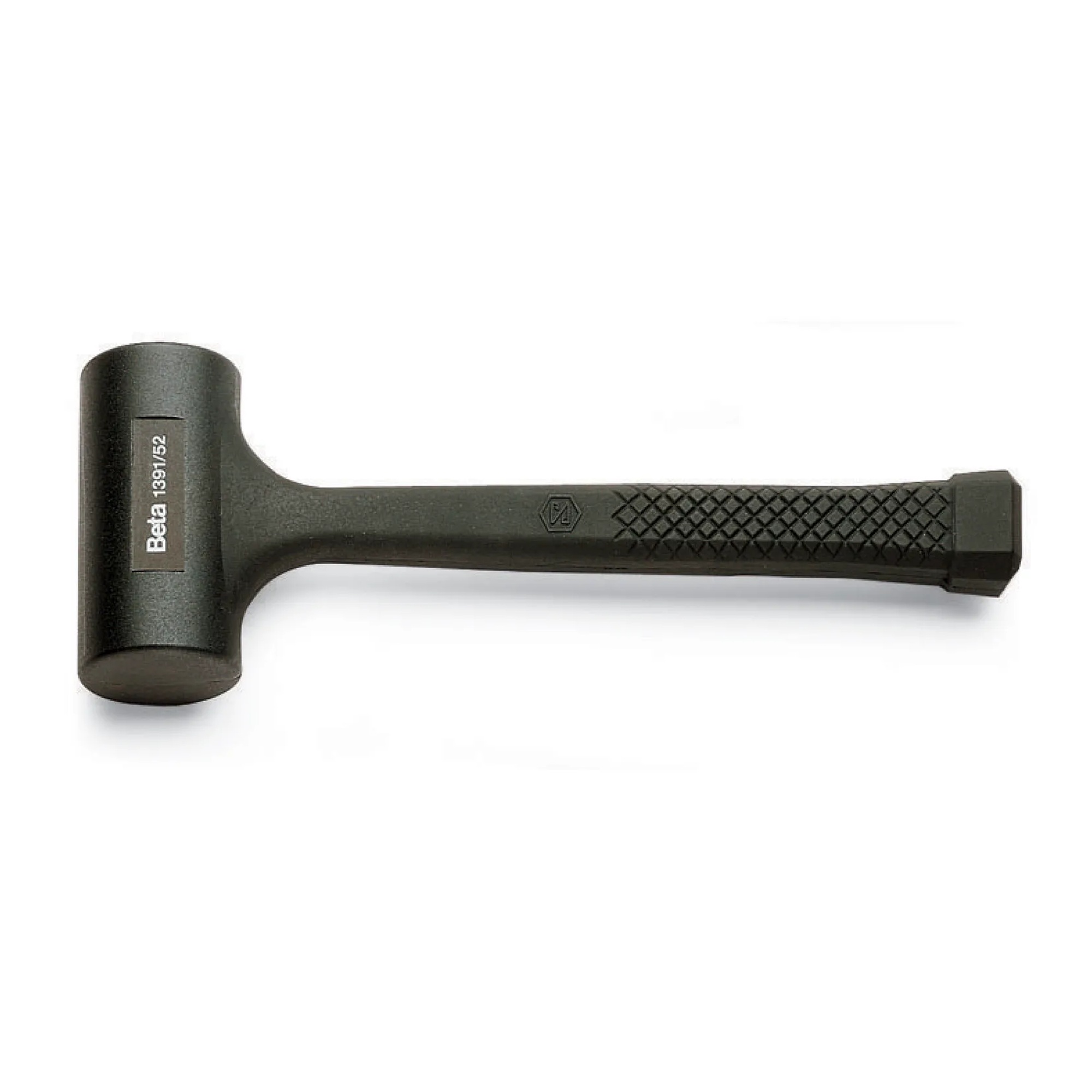
Rubber-Surface Dead Blow Hammer with 1-15/16 in. Face
Our Price:$67.94This dead blow hammer is designed for maintenance and shop users who need controlled strikes while helping protect finished or delicate work surfaces. Its rubber surface provides a secure grip for...




Choose a Dead Blow Hammer for Controlled Impact
Dead blow hammers in this category combine rebound-reducing action with face materials and sizes suited to different striking tasks. Compare the weight, face design, handle details, and surface-protection features that match the work at hand.
Popular examples in this category
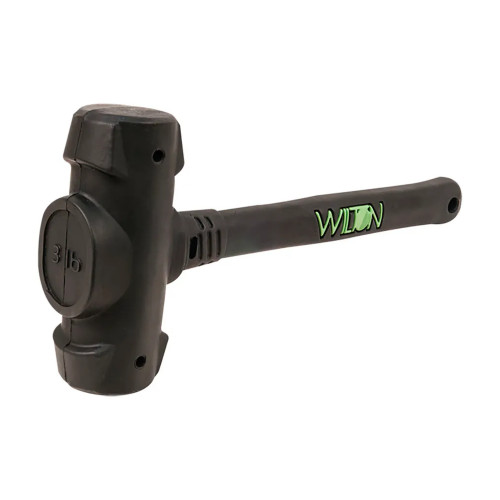 3 lb. Steel Dead Blow Hammer with 14 in. HandleWBB3169918
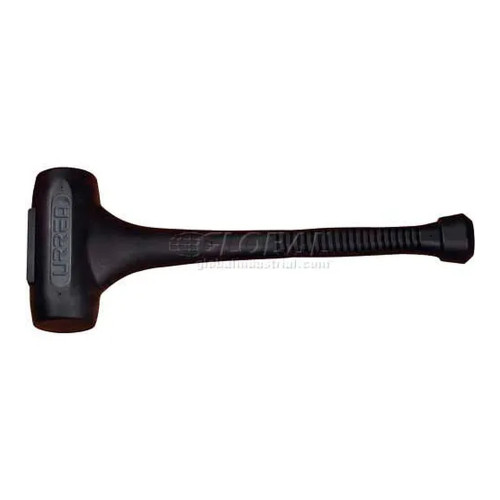 6 lb Dead Blow Sledge Hammer with Polyurethane HandleWBB992889
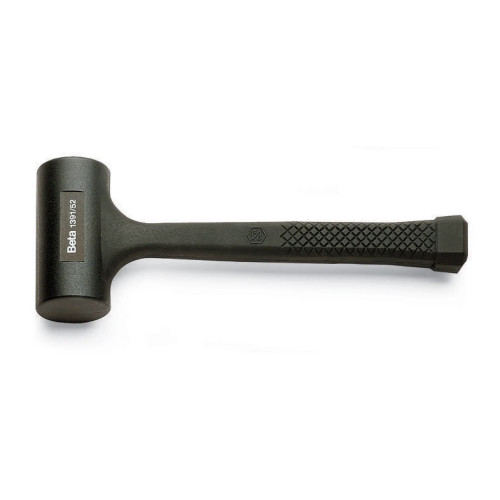
 21 oz. Polyurethane Dead Blow Hammer with 9 in. HandleWBB3234232
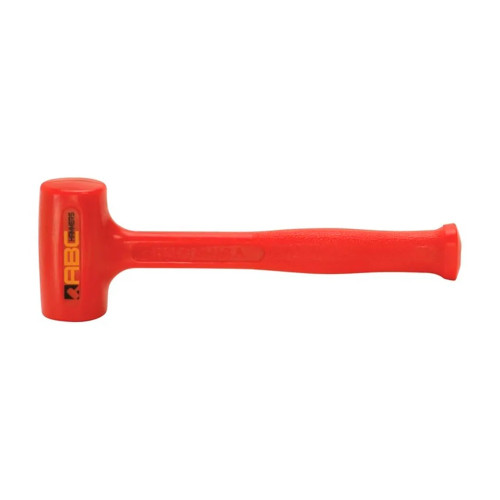
 Rubber-Surface Dead Blow Hammer with 1-15/16 in. FaceWBB3196377
Controlled striking for demanding work
Use dead blow hammers for maintenance, repair, assembly, adjustment, shop tasks, and tile installation where controlled impact is important.
Match weight, face, and handle to the task
Consider the desired striking force, face diameter, handle length when listed, and whether the workpiece needs a non-marring or surface-conscious contact area.
Work around finished and delicate surfaces
Rubber-covered, soft-face, polyurethane, and non-marring contact surfaces can help reduce marks and scratches on equipment, tile, painted, wood, metal, and other finished materials.
Look for task-specific control features
Available features include shot-filled or internally weighted heads, slip-resistant grips, wide end caps, steel-reinforced handles, chemical resistance, spark resistance, and interchangeable plastic faces.
A compact dead blow option for controlled installation and adjustment tasks.
A soft-face model for controlled striking force in maintenance and shop work.
Options range from targeted to broad striking surfaces.
Select models provide compact grips or longer handles for use and control.
Compare Dead Blow Hammer Types
Use this overview to compare the primary product types represented in the category.
| Product type | Best-fit work | Notable features |
|---|---|---|
| Polyurethane soft-face hammers | Maintenance, assembly, repair, and shop work where surface protection matters | Non-marring contact, dead blow core, and select chemical-, cut-, or spark-resistant exteriors |
| Rubber-covered or rubber-surface hammers | Tile installation and work on delicate or finished materials | Reduced rebound, surface-friendly contact, and slip-resistant grip surfaces |
| Interchangeable-face hammer | Trade and maintenance work requiring face selection by material | Interchangeable plastic faces, shot-filled hollow head, and steel shaft |
Plan the right fit before choosing
Reduce rebound for more controlled strikes
Dead blow action is designed to dampen impact and limit bounce-back. Several options use steel shot or internal weighting to shift weight within the head during a strike, helping direct impact into the workpiece.
- Choose shot-filled or steel-shot-core designs for sustained impact and reduced bounce.
- Consider dead blow designs that also absorb shock when controlled impact is a priority.
- Look for flat striking faces when direct, consistent strikes are needed.
Select the contact surface for the material being struck
The category includes soft-face, polyurethane, rubber-covered, plastic-face, and non-marring contact designs. These options are intended to help protect finished, delicate, painted, wood, metal, tile, and equipment surfaces during striking.
- Polyurethane faces and bodies resist chipping, splitting, cutting, or abrasion on select models.
- Rubber-covered heads help reduce marking and scratching on delicate surfaces.
- Interchangeable plastic faces allow the face to be selected for the material and desired level of surface protection.
Balance striking force with handling needs
Available tools range from 18 oz. and 21 oz. models to heavier 10.5 lb. and 6 lb. options. Face diameters include 1-3/4 in., 1-15/16 in., 2-3/16 in., 2-3/8 in., and other specified designs, while select models offer 9 in., 14 in., or 15 in. handles.
- Choose lighter models for compact, controlled hammering and heavier models for substantial striking force.
- Compare face diameter for targeted or broader striking contact.
- For grip and tool retention, look for rubber surfaces, non-slip handles, wide end caps, or a lanyard hole where offered.
Common questions before buying
What is a dead blow hammer used for?
Dead blow hammers are used for controlled striking in maintenance, assembly, adjustment, repair, shop work, and tile installation.
Which face materials are represented in this category?
Options include polyurethane soft faces, rubber-covered or rubber-surface designs, non-marring contact surfaces, and interchangeable plastic faces.
Why choose a non-marring dead blow hammer?
A non-marring, soft, rubber-covered, or surface-conscious contact area can help reduce marks and scratches on delicate, finished, painted, wood, metal, tile, or equipment surfaces.
What weights are available?
Listed options range from 18 oz. and 21 oz. models to 48 oz., 56 oz., 6 lb., and 10.5 lb. hammers.
Choose a Dead Blow Hammer for Controlled Impact
Dead blow hammers in this category combine rebound-reducing action with face materials and sizes suited to different striking tasks. Compare the weight, face design, handle details, and surface-protection features that match the work at hand.
Popular examples in this category
Controlled striking for demanding work
Use dead blow hammers for maintenance, repair, assembly, adjustment, shop tasks, and tile installation where controlled impact is important.
Match weight, face, and handle to the task
Consider the desired striking force, face diameter, handle length when listed, and whether the workpiece needs a non-marring or surface-conscious contact area.
Work around finished and delicate surfaces
Rubber-covered, soft-face, polyurethane, and non-marring contact surfaces can help reduce marks and scratches on equipment, tile, painted, wood, metal, and other finished materials.
Look for task-specific control features
Available features include shot-filled or internally weighted heads, slip-resistant grips, wide end caps, steel-reinforced handles, chemical resistance, spark resistance, and interchangeable plastic faces.
A compact dead blow option for controlled installation and adjustment tasks.
A soft-face model for controlled striking force in maintenance and shop work.
Options range from targeted to broad striking surfaces.
Select models provide compact grips or longer handles for use and control.
Compare Dead Blow Hammer Types
Use this overview to compare the primary product types represented in the category.
| Product type | Best-fit work | Notable features |
|---|---|---|
| Polyurethane soft-face hammers | Maintenance, assembly, repair, and shop work where surface protection matters | Non-marring contact, dead blow core, and select chemical-, cut-, or spark-resistant exteriors |
| Rubber-covered or rubber-surface hammers | Tile installation and work on delicate or finished materials | Reduced rebound, surface-friendly contact, and slip-resistant grip surfaces |
| Interchangeable-face hammer | Trade and maintenance work requiring face selection by material | Interchangeable plastic faces, shot-filled hollow head, and steel shaft |
Plan the right fit before choosing
Reduce rebound for more controlled strikes
Dead blow action is designed to dampen impact and limit bounce-back. Several options use steel shot or internal weighting to shift weight within the head during a strike, helping direct impact into the workpiece.
- Choose shot-filled or steel-shot-core designs for sustained impact and reduced bounce.
- Consider dead blow designs that also absorb shock when controlled impact is a priority.
- Look for flat striking faces when direct, consistent strikes are needed.
Select the contact surface for the material being struck
The category includes soft-face, polyurethane, rubber-covered, plastic-face, and non-marring contact designs. These options are intended to help protect finished, delicate, painted, wood, metal, tile, and equipment surfaces during striking.
- Polyurethane faces and bodies resist chipping, splitting, cutting, or abrasion on select models.
- Rubber-covered heads help reduce marking and scratching on delicate surfaces.
- Interchangeable plastic faces allow the face to be selected for the material and desired level of surface protection.
Balance striking force with handling needs
Available tools range from 18 oz. and 21 oz. models to heavier 10.5 lb. and 6 lb. options. Face diameters include 1-3/4 in., 1-15/16 in., 2-3/16 in., 2-3/8 in., and other specified designs, while select models offer 9 in., 14 in., or 15 in. handles.
- Choose lighter models for compact, controlled hammering and heavier models for substantial striking force.
- Compare face diameter for targeted or broader striking contact.
- For grip and tool retention, look for rubber surfaces, non-slip handles, wide end caps, or a lanyard hole where offered.
Common questions before buying
What is a dead blow hammer used for?
Dead blow hammers are used for controlled striking in maintenance, assembly, adjustment, repair, shop work, and tile installation.
Which face materials are represented in this category?
Options include polyurethane soft faces, rubber-covered or rubber-surface designs, non-marring contact surfaces, and interchangeable plastic faces.
Why choose a non-marring dead blow hammer?
A non-marring, soft, rubber-covered, or surface-conscious contact area can help reduce marks and scratches on delicate, finished, painted, wood, metal, tile, or equipment surfaces.
What weights are available?
Listed options range from 18 oz. and 21 oz. models to 48 oz., 56 oz., 6 lb., and 10.5 lb. hammers.