
-
Fantech
Fixed Non-Vented Roof Curb Damper
Our Price:$175.94This fixed, non-vented roof curb damper is for HVAC professionals and facility teams installing roof-mounted ventilation components. It provides a curb-mounted connection point with shutter flanges...
-
Fantech
Roof Mount Damper, 19 in. x 19 in.
Our Price:$73.94This roof mount damper is designed for commercial ventilation installations where airflow control is needed at a roof-mounted opening. It helps facilities and HVAC professionals complete compatible...
-
Fantech
Roof Mount Damper, 23 x 23 in.
Our Price:$97.94This roof mount damper is designed for HVAC and ventilation professionals who need to manage airflow at a roof-mounted opening. It provides a durable damper assembly for ventilation system...


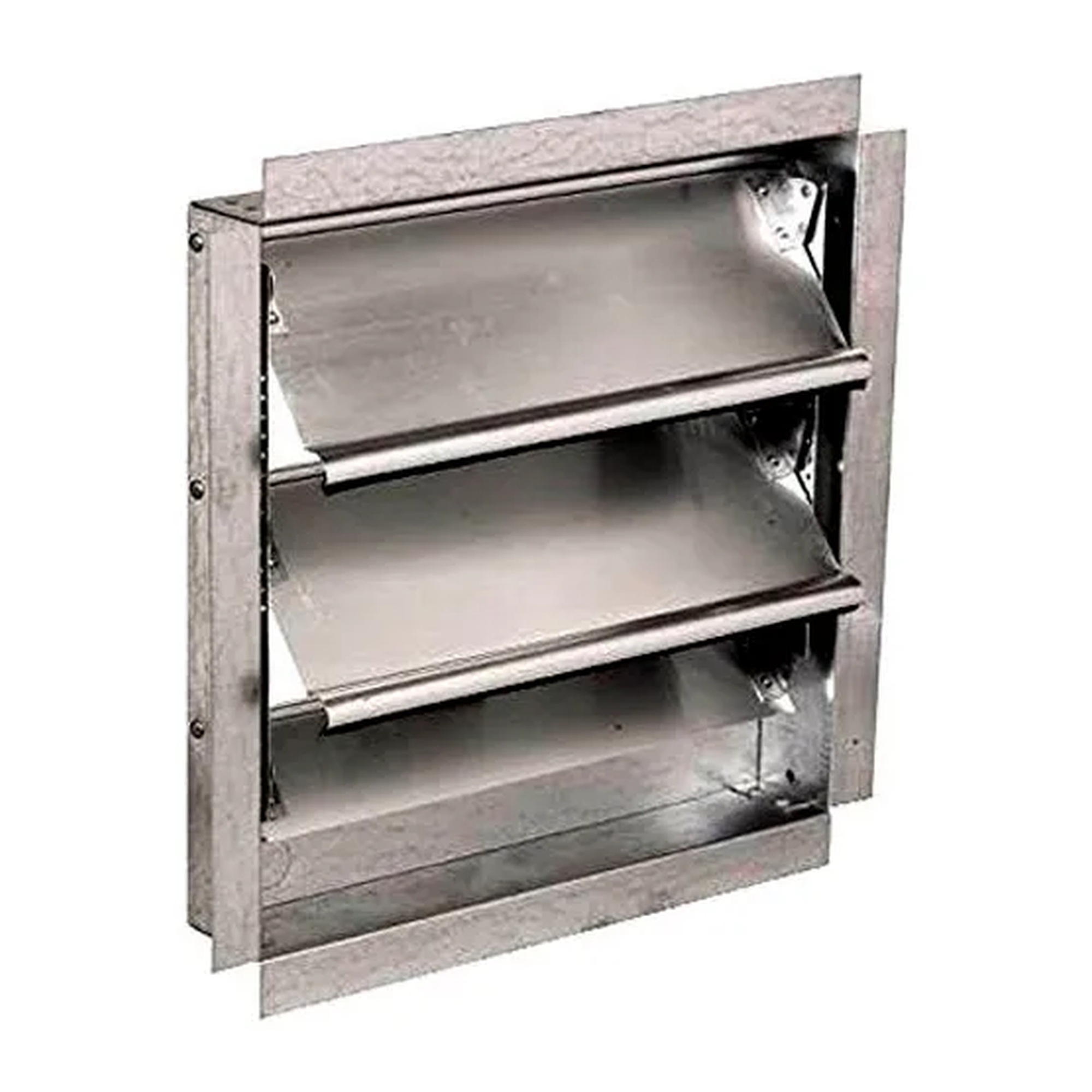
Dampers for HVAC, Ventilation, and Ductwork Systems
Dampers control, balance, and shut off airflow in supply, exhaust, and ductwork installations. Whether you need motorized volume control, simple two-position shut-off, manual balancing, or backdraft prevention, choosing the right damper type for your application and mounting location is the fastest path to a reliable installation.
Popular examples in this category
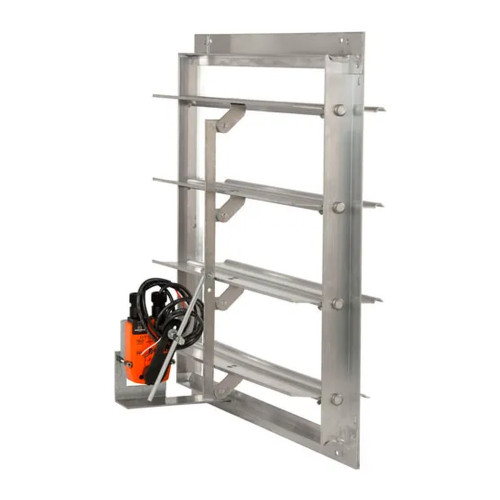 36-Inch Aluminum Flanged Motorized Volume Control DamperWBB771538
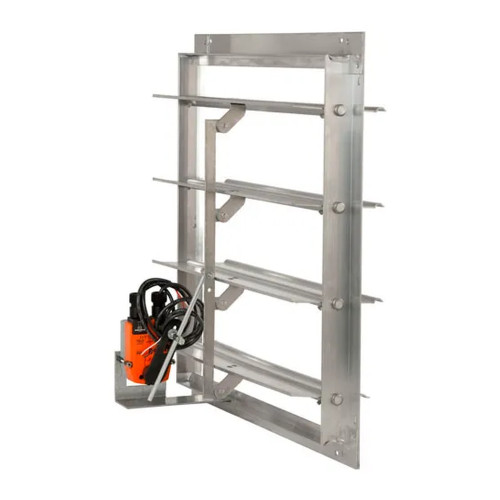 42-Inch Aluminum Flanged Motorized DamperWBB771542
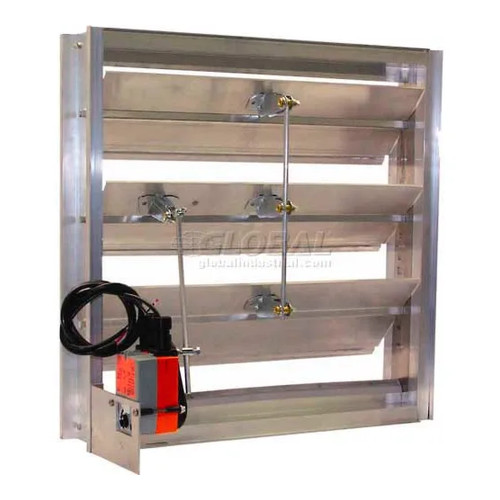 16-Inch Aluminum Hat Channel Motorized DamperWBB771564
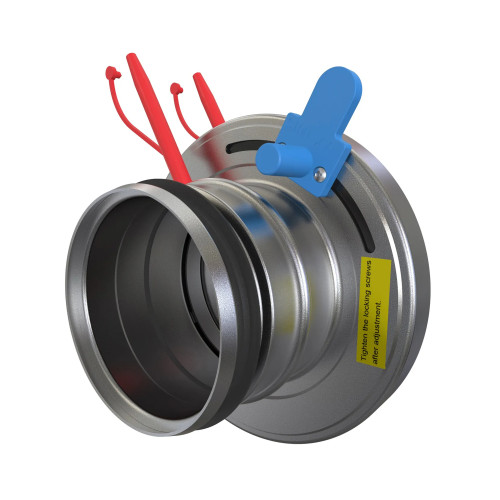 8-Inch Manual Iris DamperWBB2110237
Managing Airflow in HVAC and Ventilation Systems
Dampers regulate, balance, and isolate airflow in supply and exhaust ductwork, rooftop ventilation, and wall or curb-mounted applications. They are used by HVAC technicians, ventilation installers, and facility maintenance teams to control volume, prevent backdraft, and enable airflow measurement.
Start With Airflow Role and Mounting Location
Identify whether the damper controls supply or exhaust airflow, requires motorized or manual operation, and where it mounts—ductwork, wall, curb, or horizontal exhaust outlet. These three factors narrow your selection before you consider blade type, voltage, or sizing.
Where Dampers Are Typically Installed
Common installations include rooftop unit curb mounts, inline duct balancing, horizontal exhaust fan outlets, and two-position zone control in commercial HVAC. Manual iris dampers suit test-and-balance work, while motorized models serve automated or scheduled airflow control.
Features That Affect Performance and Installation
Look for blade seals on motorized models to reduce leakage, integrated end switches for control feedback, and spring-return mechanisms for fail-safe positioning. Fixed test points on iris dampers simplify commissioning without additional fittings or drilling.
Motorized volume control dampers use parallel blades with a power-open, spring-close mechanism, providing a fail-safe return to closed if power is interrupted.
The motorized shut-off damper operates at 24V, opening when energized and returning to the normally closed position automatically when power is removed.
Manual iris dampers include fixed test points for airflow measurement during balancing, eliminating the need to drill or add separate fittings to the duct.
The iris damper opens to a fully clear aperture, allowing cleaning access through the duct without removing the damper from the system.
Damper Types Side by Side
Match your airflow control need to the right damper type before comparing sizes or features.
| Need | Best Fit | Why It Matters |
|---|---|---|
| Continuous motorized airflow control in supply or exhaust | Motorized volume control damper (flanged or hat channel) | Parallel blades modulate volume; hat channel version adds blade seals and end switch for duct installs |
| Simple two-position zone control with fail-safe closed | 24V motorized shut-off damper | Opens on power, returns to normally closed automatically—no manual reset needed |
| Duct airflow balancing and measurement during commissioning | Manual iris damper | Fixed test points and full aperture opening simplify test-and-balance work without extra fittings |
| Preventing reverse airflow on horizontal exhaust fan outlets | Horizontal-mount backdraft damper | Sized to match fan or powered roof ventilator outlet; gravity or pressure closes blades when fan is off |
| Capping a roof curb for non-vented equipment installation | Fixed non-vented roof curb damper | Provides a sealed base for roof-mounted ventilation components where airflow through the curb is not needed |
Plan the right fit before choosing
Step 1 — Define the Airflow Function
Determine whether the damper needs to modulate airflow continuously, switch between fully open and fully closed, prevent reverse airflow, or serve as a fixed non-vented cap for a roof curb. Each function maps to a specific damper type, so clarifying this first prevents misapplication.
- Continuous volume control: motorized volume control damper with parallel blades
- Two-position on/off control: 24V motorized shut-off damper (power-open, spring-close)
- Backdraft prevention on horizontal exhaust: horizontal-mount backdraft damper
- Airflow balancing and measurement: manual iris damper with fixed test points
- Non-vented roof curb cap: fixed roof curb damper for component installations
Step 2 — Confirm Mounting Location and Configuration
Mounting location determines which product version you need. Flanged motorized dampers are designed for wall or curb mounting. Hat channel versions of the same motorized models can also be installed directly in ductwork and include blade seals and an end switch. Backdraft dampers are sized to match the fan or powered roof ventilator outlet diameter.
- Wall or curb mount: choose flanged motorized volume control damper
- Inline ductwork install: choose hat channel motorized damper with blade seals and end switch
- Horizontal exhaust fan outlet: match backdraft damper size to fan outlet
- Roof-mounted equipment base: use fixed non-vented roof curb damper
Step 3 — Verify Electrical and Control Requirements
Motorized dampers require a power source and, in some cases, control wiring for the end switch or actuator signal. Confirm available voltage, whether spring-return fail-safe operation is required, and whether the control system needs position feedback before ordering.
- 24V motorized shut-off: opens when powered, returns to normally closed on power loss
- Motorized volume control: power-open, spring-close operation with parallel blade design
- End switch models: provide open/closed position feedback to the control system
- Manual iris dampers: no electrical requirements, adjusted and locked manually
Common questions before buying
What is the difference between a motorized volume control damper and a motorized shut-off damper?
A motorized volume control damper modulates airflow continuously using parallel blades and is suited for supply or exhaust systems where you need variable flow. A motorized shut-off damper is a two-position device—it opens when 24V power is applied and returns to fully closed when power is removed. Use the shut-off model when you only need on/off zone control with a fail-safe closed position.
When should I choose a flanged motorized damper versus a hat channel version?
Flanged motorized dampers are designed for wall or curb mounting. Hat channel versions are built for the same volume control function but can also be installed directly in ductwork. Hat channel models also include blade seals to reduce leakage and an integrated end switch for position feedback to the control system.
How do I size a backdraft damper for a horizontal exhaust application?
Match the backdraft damper diameter or dimensions to the outlet size of the exhaust fan or powered roof ventilator it will serve. The damper should correspond to the fan's discharge collar size, not the duct diameter upstream, to ensure proper blade operation and an airtight seal when the fan is off.
Can a manual iris damper be used for both balancing and airflow measurement?
Yes. Manual iris dampers include fixed test points that allow airflow measurement with a manometer or pitot tube without drilling the duct. The iris mechanism also opens to a full, unobstructed aperture for cleaning access. Once balanced, the iris position is locked in place to maintain the set airflow rate.