
-
Williams
13/16-Inch 12-Point Red Combination Wrench
Our Price:$26.94This 13/16-inch combination wrench is designed for maintenance professionals and technicians who need one hand tool for turning common hex fasteners. Its bright red finish helps crews identify the...
-
14 mm 12-Point 15° Offset Combination Wrench
Our Price:$18.49This 14 mm combination wrench is designed for technicians and maintenance professionals working with metric fasteners. Its open end and offset box end provide two ways to turn compatible 14 mm...
-
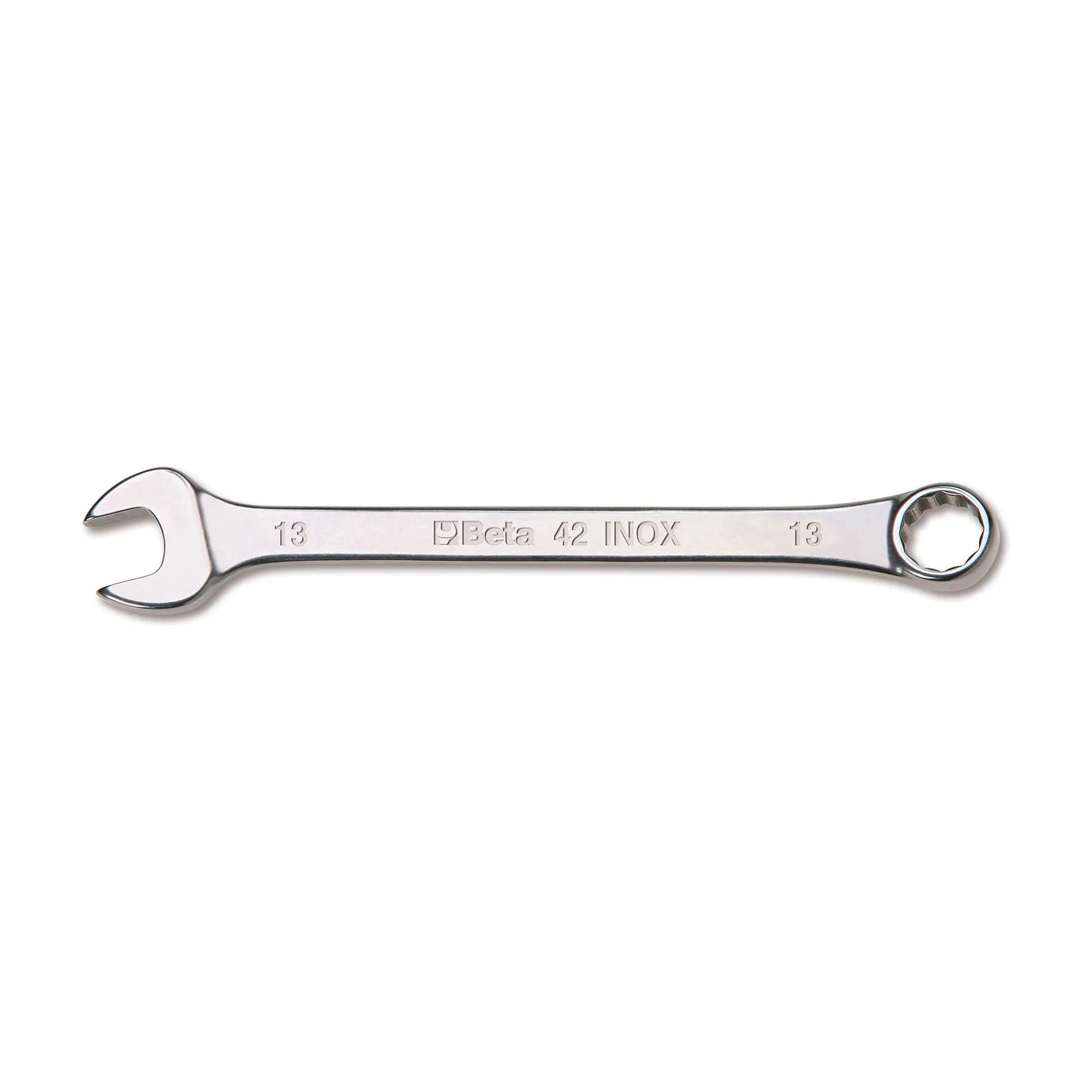
14 mm 12-Point 15° Offset Stainless Steel Combination Wrench
Our Price:$34.94This 14 mm combination wrench is designed for maintenance and repair professionals who need to turn fasteners in confined work areas. Its open end and box end provide two gripping options for...
-
Williams
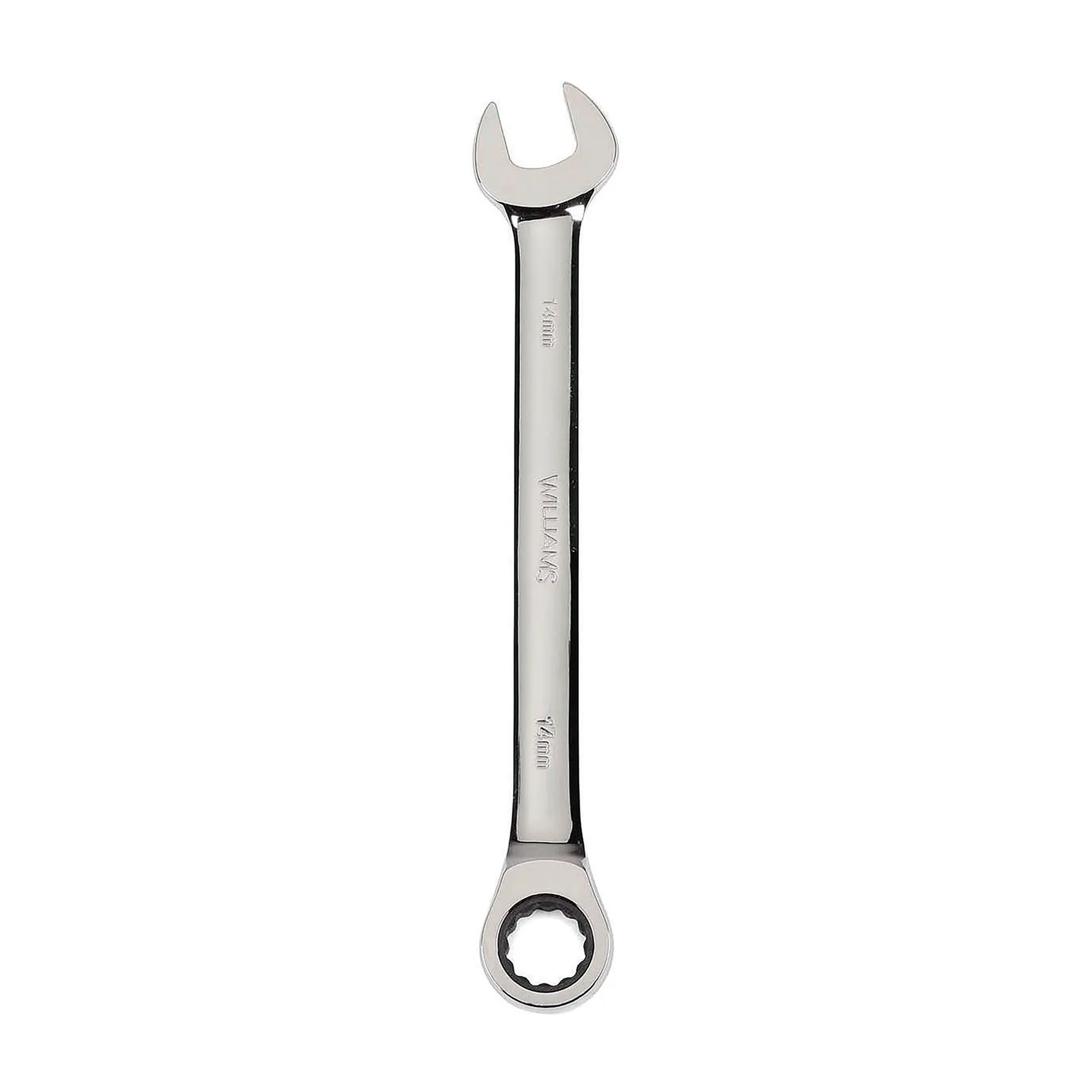
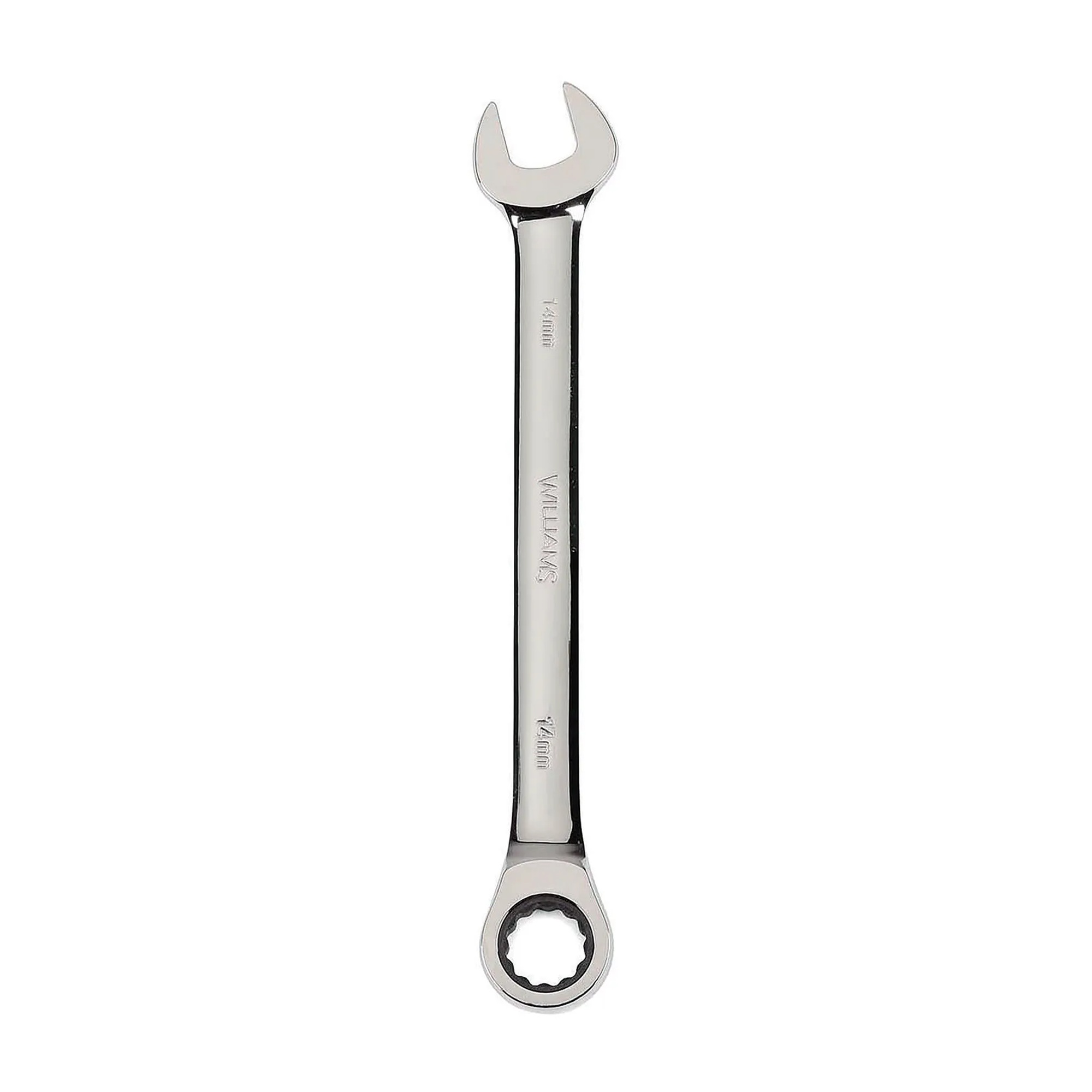
14 mm 12-Point Combination Ratcheting Wrench, Chrome
Our Price:$18.49This 14 mm combination ratcheting wrench is designed for technicians and maintenance professionals who need to install or remove common hex fasteners. Its open end and ratcheting box end provide two...
-
Williams
14 mm 12-Point Combination Ratcheting Wrench, Chrome Finish
Our Price:$15.24This 14 mm combination ratcheting wrench is designed for technicians and maintenance professionals who need to turn compatible fasteners efficiently. Its combination design provides a standard wrench...
-
14 mm Flex-Head Ratcheting Combination Wrench
Our Price:$38.94This 14 mm ratcheting combination wrench is designed for professionals and maintenance teams working with metric hex fasteners. Its open end and ratcheting box end provide two ways to turn the same...
-
14 mm Reversible Ratcheting Combination Wrench, 12-Point
Our Price:$34.94This 14 mm reversible ratcheting combination wrench is designed for professionals who work with metric hex fasteners. It combines an open end with a ratcheting box end to help users tighten or loosen...
-
Williams
14-Piece Metric 12-Point Combination Ratcheting Wrench Set
Our Price:$199.94This metric combination ratcheting wrench set is designed for technicians and maintenance professionals who need to turn fasteners in limited-clearance work areas. It provides a range of common...
-
14-Piece Metric Offset Combination Wrench Set, 6 mm to 24 mm
Our Price:$239.94This metric combination wrench set is for technicians and maintenance professionals who need a range of wrench sizes for working with metric fasteners. It combines open ends with offset box ends to...
-
Stanley
14-Piece Satin-Finish 12-Point Combination Wrench Set
Our Price:$135.94This combination wrench set gives maintenance professionals, mechanics, and shop teams a range of inch sizes for turning fasteners during repair and assembly work. A storage pouch is included to help...
-
Williams
15 mm 12-Point Combination Ratcheting Wrench, Chrome
Our Price:$15.99This 15 mm combination ratcheting wrench is designed for technicians and maintenance professionals who need to turn compatible fasteners in confined work areas. Its ratcheting box end supports...
-
Williams
15 mm 12-Point Combination Ratcheting Wrench, Chrome Finish
Our Price:$19.74This 15 mm combination ratcheting wrench is designed for technicians and maintenance professionals working with common hex fasteners. Its open end and ratcheting box end provide two wrenching options...
-
15 mm 12-Point Offset Combination Wrench, Silver
Our Price:$18.99This 15 mm combination wrench is designed for technicians and maintenance professionals who work with metric fasteners. Its open end and offset box end provide two ways to engage compatible 15 mm...
-
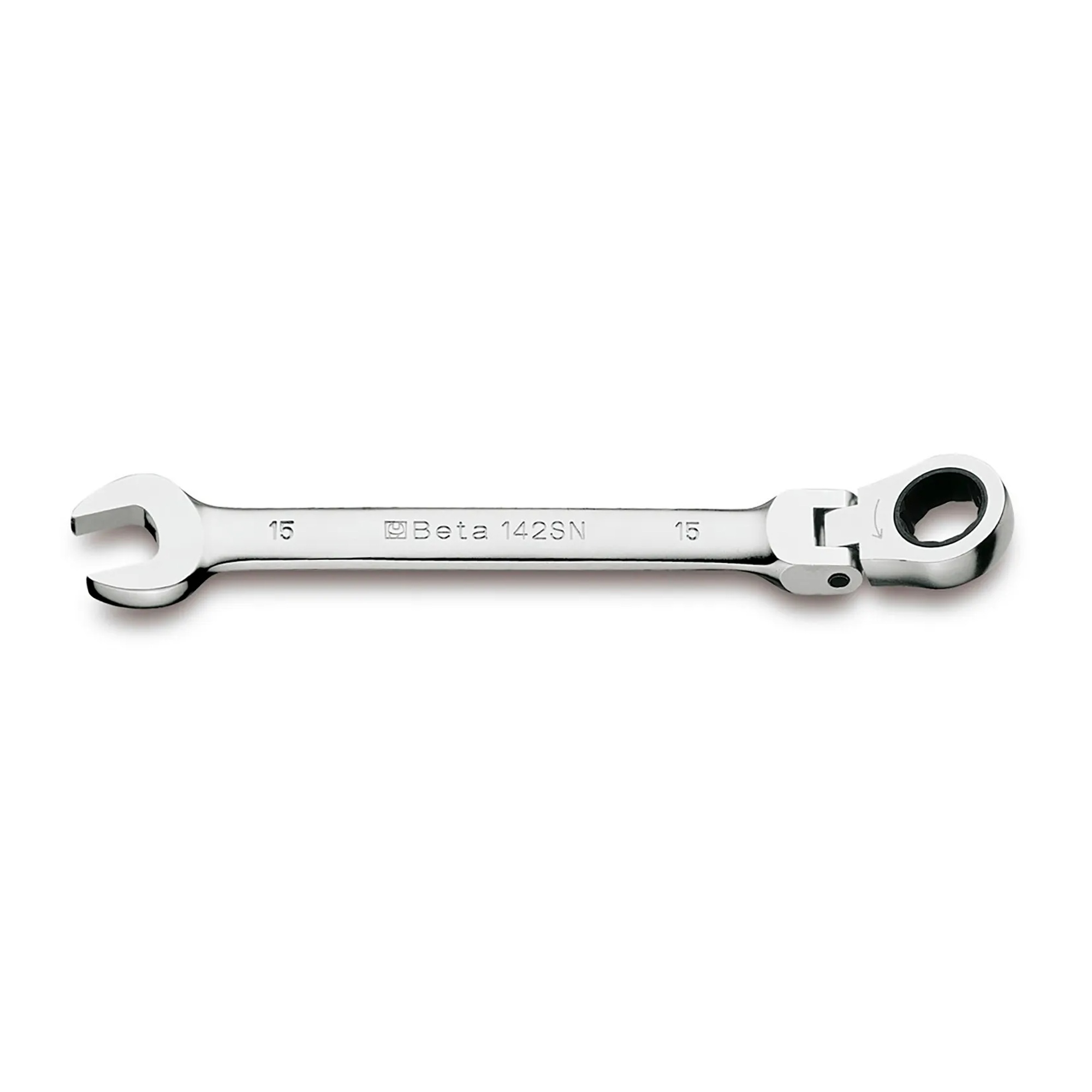
15 mm Flex-Head Ratcheting Combination Wrench
Our Price:$45.94This 15 mm ratcheting combination wrench is designed for technicians and maintenance professionals who work with metric hex fasteners. Its open end and ratcheting box end fit the same 15 mm fastener...
-
15 mm Reversible Ratcheting Combination Wrench
Our Price:$36.94This 15 mm reversible ratcheting combination wrench is designed for professionals and maintenance teams working with metric hex fasteners. It combines an open end and a ratcheting box end to help...
-
15 mm Stainless Steel 12-Point Offset Combination Wrench
Our Price:$35.94This 15 mm combination wrench is designed for maintenance and repair professionals who need to turn compatible fasteners in confined work areas. Its open end and box end provide two gripping options...
-
Proto
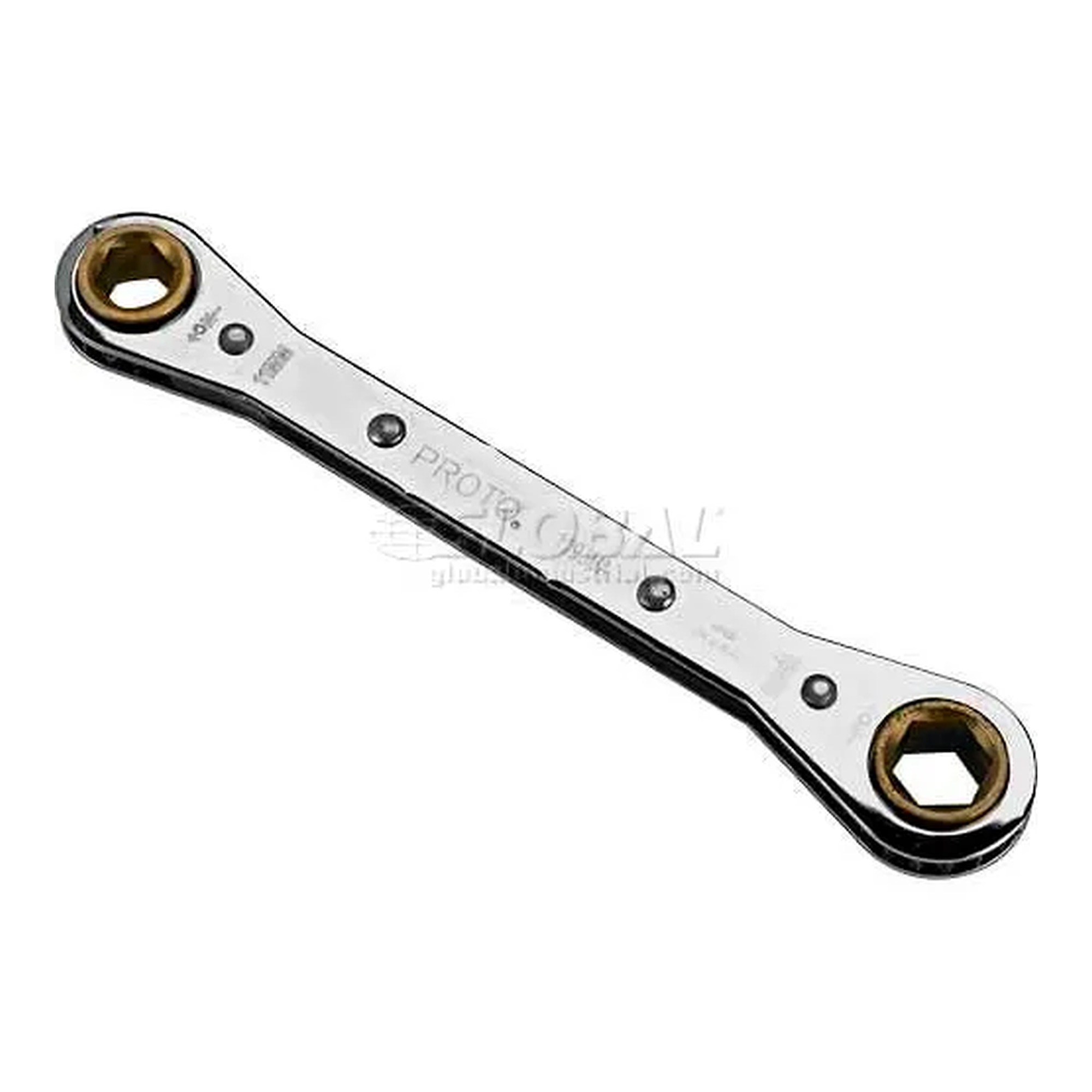
15 x 17 mm Double Box Ratcheting Wrench, 12-Point
Our Price:$23.49This double box ratcheting wrench is designed for technicians and maintenance professionals who need to tighten or loosen compatible fasteners in confined work areas. Its 15 mm and 17 mm ends provide...
-
Williams
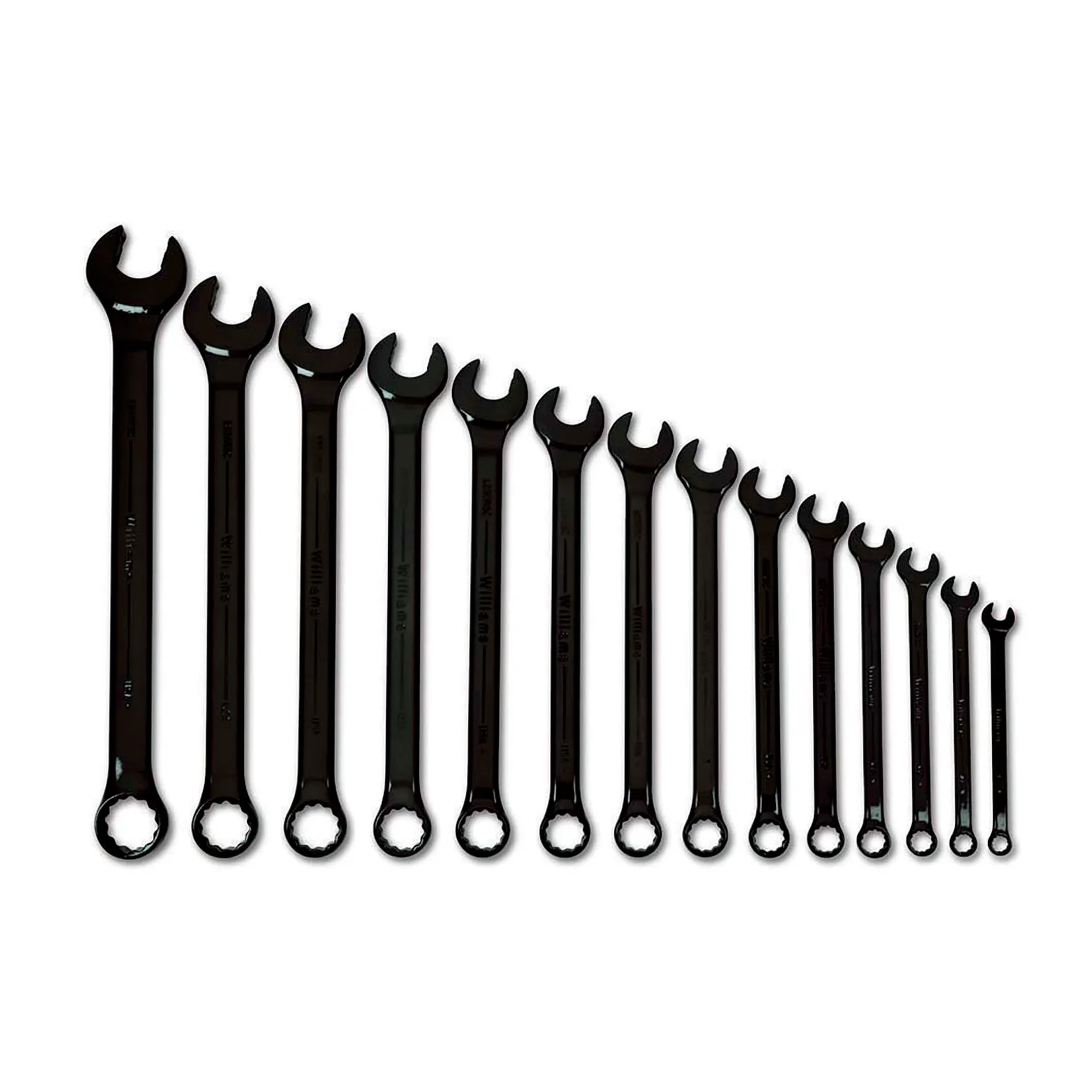
15-Piece 12-Point Combination Wrench Set, 5/16 in. to 1-1/4 in., Black
Our Price:$389.94This 15-piece combination wrench set is for technicians and maintenance crews working with common hex fasteners. It provides a range of SAE wrench sizes for fastening and removal tasks where both...
-
Williams
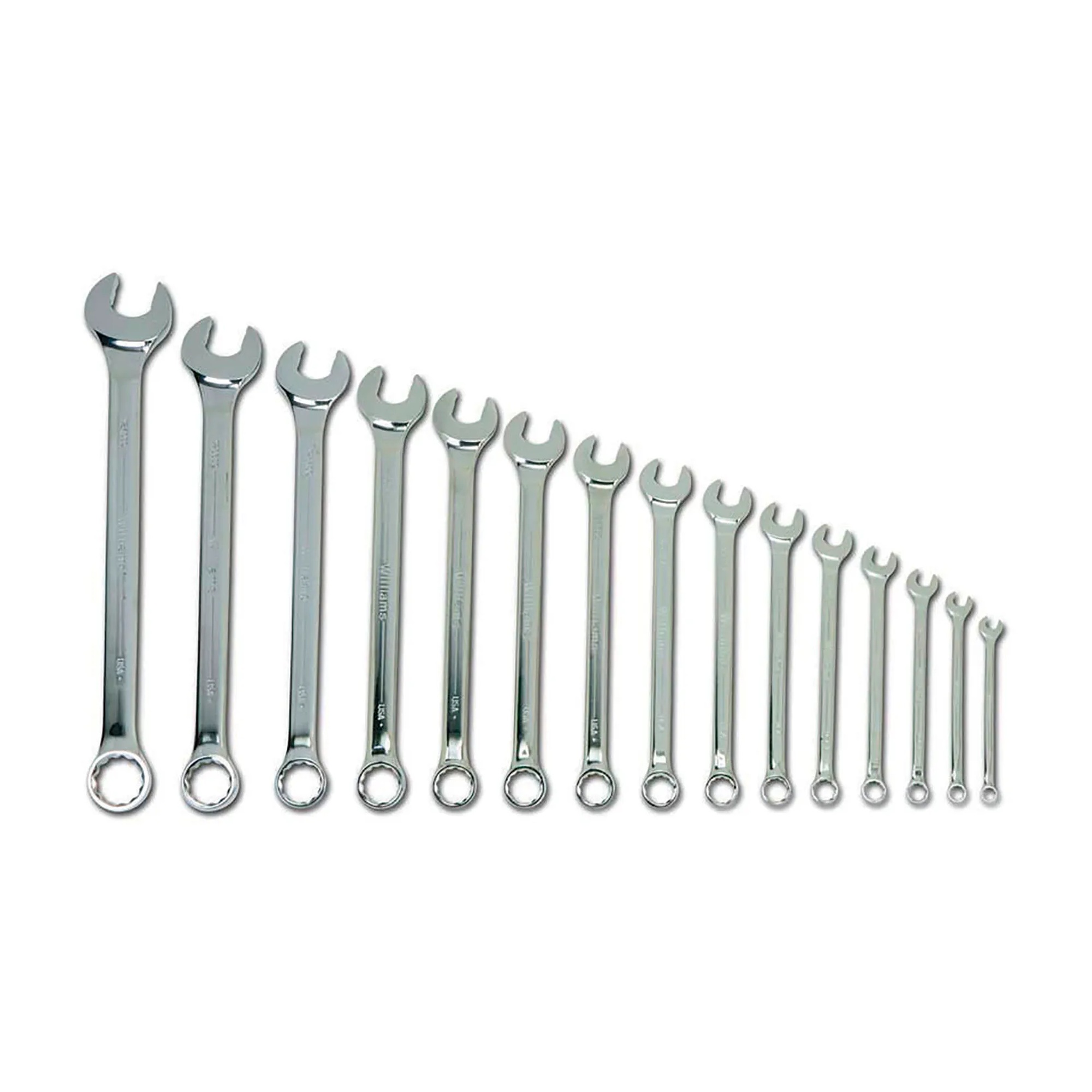
15-Piece 12-Point Combination Wrench Set, 5/16 in. to 1-1/4 in., Chrome
Our Price:$449.94This 15-piece combination wrench set is designed for maintenance professionals and technicians who need a range of SAE wrench sizes for working with common hex fasteners. It combines open ends and...
-
Williams
15-Piece Metric 12-Point Combination Wrench Set, 7 mm to 21 mm, Silver
Our Price:$325.94This 15-piece metric combination wrench set is for technicians and maintenance professionals who need a range of wrench sizes for fastening and service work. It provides matching open-end and box-end...







Choose Combination Wrenches for the Fasteners and Access You Have
Start with the fastener size and measurement system, then compare the end style and access features that fit the work area. The represented selection includes individual metric and inch wrenches, multi-size sets, offset profiles, stainless steel construction, and ratcheting box-end options.
Popular examples in this category
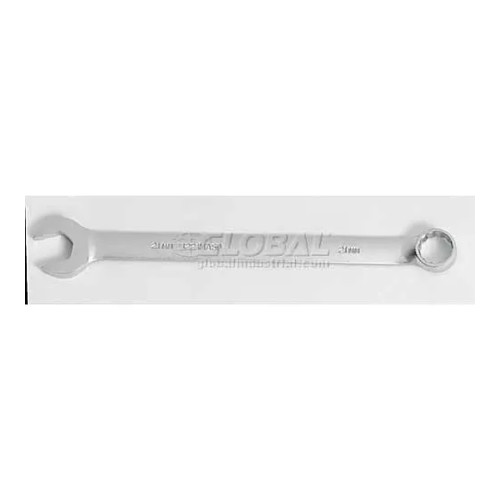 17 mm 12-Point Satin Combination WrenchWBB329674
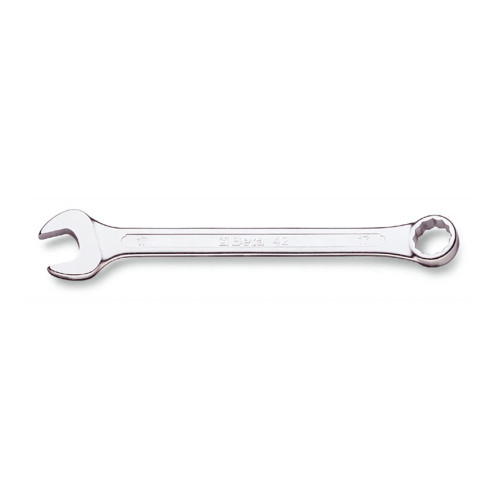 25 mm 12-Point 15° Offset Combination Wrench, SilverWBB3196137
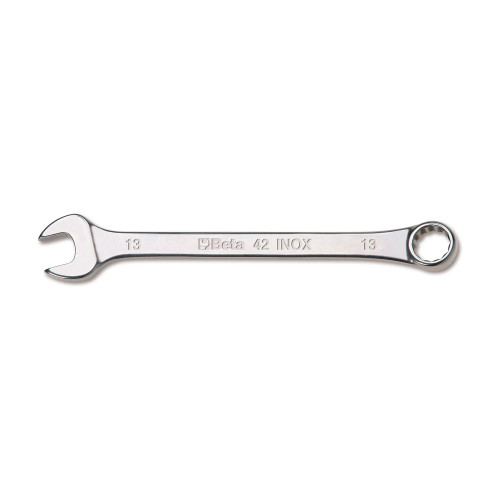 36 mm Stainless Steel 12-Point Combination Wrench, SilverWBB3196151
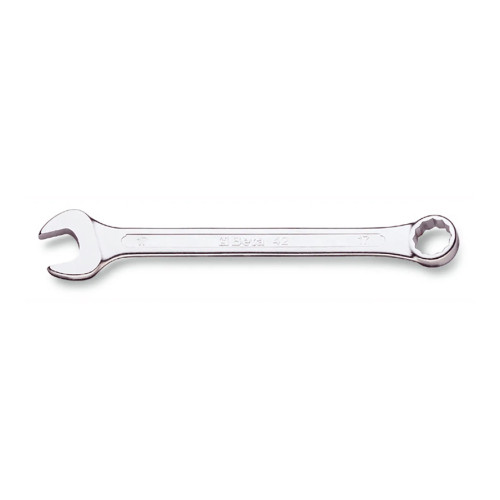 28 mm 12-Point Offset Combination Wrench, SilverWBB3196154
Two engagement options in one tool
Combination wrenches provide an open end and a box end for compatible fasteners. They are represented for maintenance, assembly, service, repair, and routine fastening or removal tasks.
Match size, units, and end design
Choose the wrench opening that matches the fastener, whether metric or inch. Then consider a standard or offset profile, a 12-point box end, or a ratcheting box end based on the available working room and turning needs.
Support work in confined areas
Several represented metric wrenches have 15° offset ends, thin-profile or compact heads, and angled open ends to help provide clearance around obstructions and access in tight spaces.
Compare finish, construction, and visibility
Stainless steel options help resist corrosion and rust in demanding work environments. Other represented features include satin, textured, chrome-plated, high-polish, and high-visibility red finishes, along with ribbed handles for a firm grip.
Individual metric wrench sizes span from 6 mm to 36 mm.
Represented inch options include sizes from 5/16 inch in a set through 1-5/16 inch.
The represented box ends provide multiple engagement positions on compatible fasteners.
Several options use 15° offset ends or a 15° angled open end for clearance.
Compare Combination Wrench Types
Use this overview to narrow the selection by size coverage, access features, and turning style.
| Wrench type | Represented options | What to compare |
|---|---|---|
| Individual metric combination wrench | 6 mm, 9 mm, 17 mm, 23 mm, 25 mm, 28 mm, and 36 mm options | Confirm the metric fastener size; compare offset ends, head profile, and stainless steel or other finish options. |
| Ratcheting combination wrench | 21 mm reversible metric wrench and an 8-piece inch set from 5/16 in. to 3/4 in. | Choose ratcheting action for repeated turns; compare direction-change controls and required size range. |
| Standard inch combination wrench | 11/16 in. high-visibility option and 1-5/16 in. chrome option | Match the inch fastener size; compare visibility, corner-relief design, and 12-point box-end engagement. |
Plan the right fit before choosing
Select the correct wrench size first
Combination wrenches are represented in both metric and inch sizes. Individual metric sizes include 6 mm, 9 mm, 17 mm, 21 mm, 23 mm, 25 mm, 28 mm, and 36 mm, while inch options include 11/16 inch and 1-5/16 inch. For coverage across multiple jobs, represented sets span 6 mm through 19 mm and 5/16 inch through 3/4 inch.
- Match the wrench opening to the compatible fastener size.
- Keep metric and inch requirements separate when comparing tools.
- Choose a set when a range of common sizes is needed.
Compare offset and ratcheting features for the task
A 12-point box end provides multiple engagement positions on compatible fasteners. Offset ends can help provide clearance around obstructions, while thin-profile or compact heads support work where surrounding room is limited. Ratcheting designs help make repeated fastener turns more efficient, and reversible versions allow a change in turning direction with a toggle or direction lever.
- Choose 15° offset ends for added clearance around obstructions.
- Consider thin-profile or compact heads for confined work areas.
- Use ratcheting options when repeated turning is part of the job.
Consider the work environment and handling preferences
Stainless steel construction is represented for corrosion and rust resistance in demanding work environments. Chrome-plated, satin, and high-polish finishes are also represented, with select chrome finishes noted for easy cleaning. A high-visibility red wrench can support tool identification and color-coded work areas, while ribbed or textured handles can provide a firm grip.
- Select stainless steel when corrosion and rust resistance is a priority.
- Compare finish characteristics such as easy cleaning, scratch concealment, and visibility.
- Look for ribbed or textured handling surfaces when grip is a consideration.
Common questions before buying
What is a combination wrench?
A combination wrench has an open end and a box end, providing two ways to engage compatible fasteners with one hand tool.
Are metric and inch combination wrenches both represented?
Yes. The represented products include individual metric and inch wrenches, as well as metric and inch multi-piece sets.
When is an offset combination wrench useful?
Offset ends can help provide clearance around obstructions and improve access in confined work areas.
What does a ratcheting combination wrench add?
A ratcheting box end helps make repeated fastener turns more efficient. Represented options include reversible and direction-lever designs.}]},
Choose Combination Wrenches for the Fasteners and Access You Have
Start with the fastener size and measurement system, then compare the end style and access features that fit the work area. The represented selection includes individual metric and inch wrenches, multi-size sets, offset profiles, stainless steel construction, and ratcheting box-end options.
Popular examples in this category
Two engagement options in one tool
Combination wrenches provide an open end and a box end for compatible fasteners. They are represented for maintenance, assembly, service, repair, and routine fastening or removal tasks.
Match size, units, and end design
Choose the wrench opening that matches the fastener, whether metric or inch. Then consider a standard or offset profile, a 12-point box end, or a ratcheting box end based on the available working room and turning needs.
Support work in confined areas
Several represented metric wrenches have 15° offset ends, thin-profile or compact heads, and angled open ends to help provide clearance around obstructions and access in tight spaces.
Compare finish, construction, and visibility
Stainless steel options help resist corrosion and rust in demanding work environments. Other represented features include satin, textured, chrome-plated, high-polish, and high-visibility red finishes, along with ribbed handles for a firm grip.
Individual metric wrench sizes span from 6 mm to 36 mm.
Represented inch options include sizes from 5/16 inch in a set through 1-5/16 inch.
The represented box ends provide multiple engagement positions on compatible fasteners.
Several options use 15° offset ends or a 15° angled open end for clearance.
Compare Combination Wrench Types
Use this overview to narrow the selection by size coverage, access features, and turning style.
| Wrench type | Represented options | What to compare |
|---|---|---|
| Individual metric combination wrench | 6 mm, 9 mm, 17 mm, 23 mm, 25 mm, 28 mm, and 36 mm options | Confirm the metric fastener size; compare offset ends, head profile, and stainless steel or other finish options. |
| Ratcheting combination wrench | 21 mm reversible metric wrench and an 8-piece inch set from 5/16 in. to 3/4 in. | Choose ratcheting action for repeated turns; compare direction-change controls and required size range. |
| Standard inch combination wrench | 11/16 in. high-visibility option and 1-5/16 in. chrome option | Match the inch fastener size; compare visibility, corner-relief design, and 12-point box-end engagement. |
Plan the right fit before choosing
Select the correct wrench size first
Combination wrenches are represented in both metric and inch sizes. Individual metric sizes include 6 mm, 9 mm, 17 mm, 21 mm, 23 mm, 25 mm, 28 mm, and 36 mm, while inch options include 11/16 inch and 1-5/16 inch. For coverage across multiple jobs, represented sets span 6 mm through 19 mm and 5/16 inch through 3/4 inch.
- Match the wrench opening to the compatible fastener size.
- Keep metric and inch requirements separate when comparing tools.
- Choose a set when a range of common sizes is needed.
Compare offset and ratcheting features for the task
A 12-point box end provides multiple engagement positions on compatible fasteners. Offset ends can help provide clearance around obstructions, while thin-profile or compact heads support work where surrounding room is limited. Ratcheting designs help make repeated fastener turns more efficient, and reversible versions allow a change in turning direction with a toggle or direction lever.
- Choose 15° offset ends for added clearance around obstructions.
- Consider thin-profile or compact heads for confined work areas.
- Use ratcheting options when repeated turning is part of the job.
Consider the work environment and handling preferences
Stainless steel construction is represented for corrosion and rust resistance in demanding work environments. Chrome-plated, satin, and high-polish finishes are also represented, with select chrome finishes noted for easy cleaning. A high-visibility red wrench can support tool identification and color-coded work areas, while ribbed or textured handles can provide a firm grip.
- Select stainless steel when corrosion and rust resistance is a priority.
- Compare finish characteristics such as easy cleaning, scratch concealment, and visibility.
- Look for ribbed or textured handling surfaces when grip is a consideration.
Common questions before buying
What is a combination wrench?
A combination wrench has an open end and a box end, providing two ways to engage compatible fasteners with one hand tool.
Are metric and inch combination wrenches both represented?
Yes. The represented products include individual metric and inch wrenches, as well as metric and inch multi-piece sets.
When is an offset combination wrench useful?
Offset ends can help provide clearance around obstructions and improve access in confined work areas.
What does a ratcheting combination wrench add?
A ratcheting box end helps make repeated fastener turns more efficient. Represented options include reversible and direction-lever designs.}]},