
-
IRWIN Tools
6-Inch C-Clamp
Our Price:$24.49This 6-inch C-clamp is a hand tool for shop users who need to hold workpieces securely during positioning or clamping tasks. Its screw-driven design helps apply controlled clamping force while...
-
Wilton
6-Inch Opening Carriage C-Clamp with 3-1/4-Inch Throat Depth
Our Price:$43.94This carriage C-clamp is a hand tool for woodworkers, repair professionals, and light industrial users who need to hold workpieces securely during assembly, adjustment, or repair tasks.The clamp...
-
Wilton
8-Inch Opening Carriage C-Clamp
Our Price:$79.94This carriage C-clamp is designed for light industrial woodworking and repair work. It helps tradespeople and maintenance teams hold workpieces in place during clamping and assembly tasks.The clamp...
-
K-Tool International
Adjustable 4-Inch Ductile Iron C-Clamp
Our Price:$14.74This adjustable C-clamp helps shop and maintenance users hold workpieces in place during clamping tasks. Its 4-inch size provides a practical option for general hand-tool work.The clamp is...
-
Wilton
Bridge C-Clamp with 1-7/16 in. Jaw Opening
Our Price:$67.94This bridge C-clamp is a hand tool for construction and fabrication professionals who need to hold workpieces securely during positioning, assembly, or other heavy-duty tasks. Its screw-operated...
-
Wilton
Bridge C-Clamp with 8-1/2 in. Jaw Opening
Our Price:$489.94This bridge C-clamp is a heavy-duty hand tool for construction and fabrication professionals who need to hold workpieces securely during demanding assembly, positioning, and welding tasks.The clamp...
-
Wilton
Carriage C-Clamp, 4 in. Opening, 2-3/4 in. Throat Depth
Our Price:$22.74This carriage C-clamp is designed for woodworkers, repair professionals, and light industrial users who need to hold workpieces securely during assembly, repair, or woodworking tasks. Its 4-inch...
-
Wilton
Deep-Reach Carriage C-Clamp, 1 in. Opening, 3 in. Throat Depth
Our Price:$14.74This deep-reach carriage C-clamp is a hand tool for light industrial woodworking and repair work. It holds materials in place when added throat depth is needed to reach farther into a workpiece.The...
-
Wilton
Deep-Reach Carriage C-Clamp, 2 in. Opening, 3-1/2 in. Throat Depth
Our Price:$19.74This deep-reach carriage C-clamp is designed for light industrial woodworking and repair work. It helps tradespeople and maintenance teams hold workpieces in place where added reach is needed beyond...
-
Wilton
Deep-Reach Carriage C-Clamp, 2-1/2 in Opening, 4-3/4 in Throat Depth
Our Price:$43.94This deep-reach carriage C-clamp is a hand tool for light industrial woodworking and repair work. It helps users hold workpieces in place while providing added reach into the work area.The clamp has...
-
Wilton
Deep-Reach Carriage C-Clamp, 2-1/2 in. Opening
Our Price:$24.24This deep-reach carriage C-clamp is designed for light industrial woodworking and repair work. It holds workpieces in place while providing extended access beyond the edge of the material.The clamp...
-
Wilton
Deep-Reach Carriage C-Clamp, 2-1/2 in. Opening, 6-1/4 in. Throat Depth
Our Price:$60.94This deep-reach carriage C-clamp is designed for light industrial woodworking and repair work. It helps users hold workpieces in place where added reach beyond the edge of the material is needed.The...
-
Wilton
Deep-Reach Carriage C-Clamp, 3 in. Opening, 4-1/2 in. Throat Depth
Our Price:$36.94This deep-reach carriage C-clamp is designed for light industrial woodworking and repair work. It helps users hold workpieces in place while reaching farther from the edge of the material.The clamp...
-
Wilton
Drop-Forged C-Clamp with 12-1/4 in. Opening
Our Price:$259.94This drop-forged C-clamp is designed for steel fabrication, industrial maintenance, and repair work. It applies secure holding pressure to materials during positioning, assembly, and related shop...
-
Wilton
Drop-Forged C-Clamp with 2-1/8 in. Jaw Opening
Our Price:$37.94This regular-duty C-clamp is designed for maintenance, repair, production, and steel fabrication work. It applies controlled holding pressure to help tradespeople secure workpieces during shop tasks...
-
Wilton
Drop-Forged C-Clamp with 2-1/8 in. Opening
Our Price:$35.94This drop-forged C-clamp is designed for maintenance, production, repair, steel fabrication, and industrial welding work. It applies holding pressure to secure workpieces during positioning, fitting,...
-
Wilton
Drop-Forged C-Clamp with 2-10-1/8 in. Opening
Our Price:$159.94This drop-forged C-clamp is designed for fabrication, maintenance, and repair professionals who need to hold workpieces securely during shop tasks. Its deep throat helps position the clamp farther...
-
Wilton
Drop-Forged C-Clamp with 2-Inch Opening
Our Price:$27.94This regular-duty C-clamp is designed for tradespeople and shop users who need to hold workpieces securely during assembly, repair, or fabrication tasks. Its 2-inch opening and 2-inch throat depth...
-
Williams
Drop-Forged C-Clamp with 3-Inch Opening
Our Price:$229.94This drop-forged C-clamp is a hand tool for tradespeople and shop users who need to hold workpieces securely during assembly, positioning, or welding tasks. Its 3-inch opening and deep-throat profile...
-
Wilton
Drop-Forged C-Clamp with 4 in. Opening and 2-3/4 in. Throat Depth
Our Price:$54.94This drop-forged C-clamp is a regular-duty hand tool for commercial shops and maintenance teams that need to hold workpieces in place during fitting, assembly, or repair tasks. Its oscillating head...


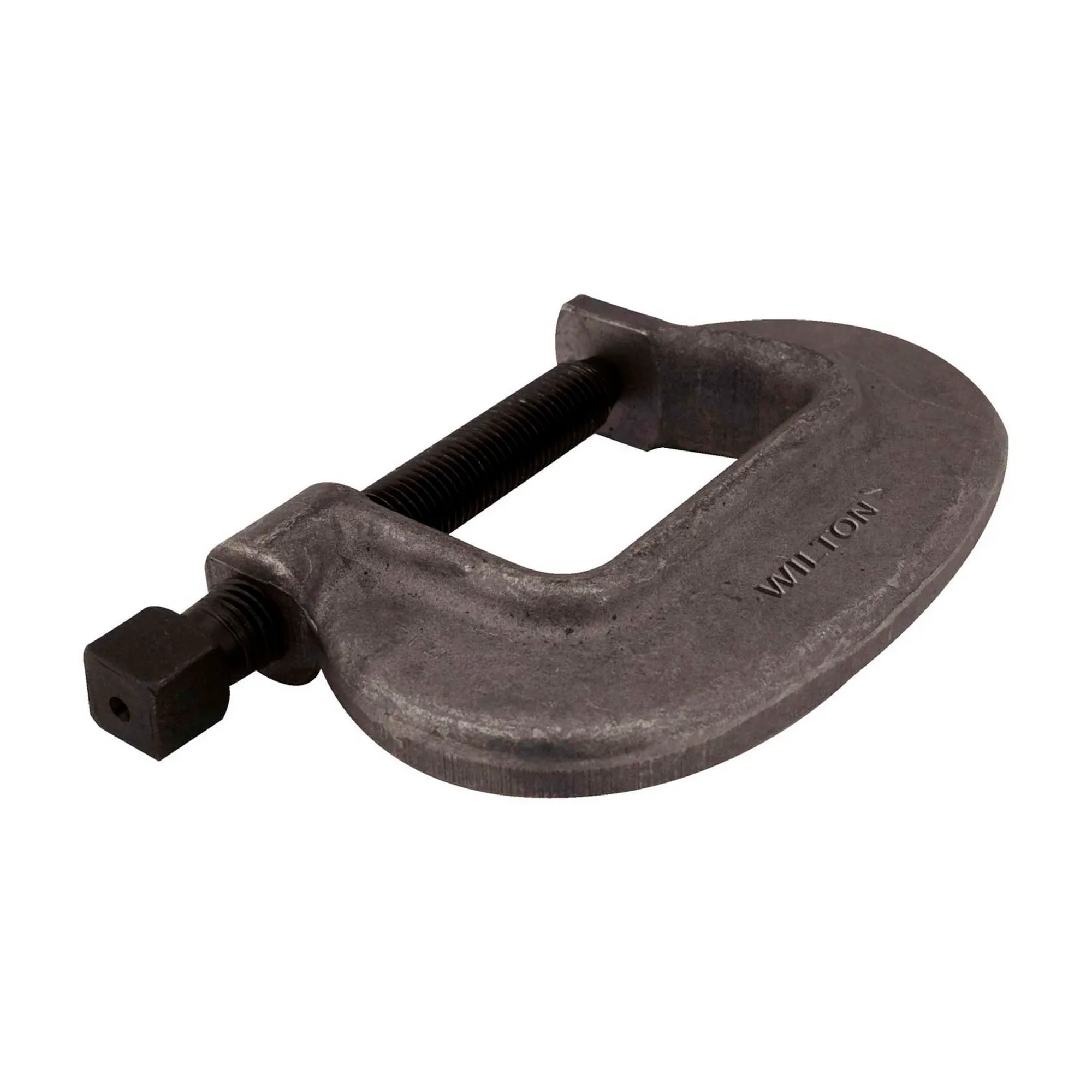


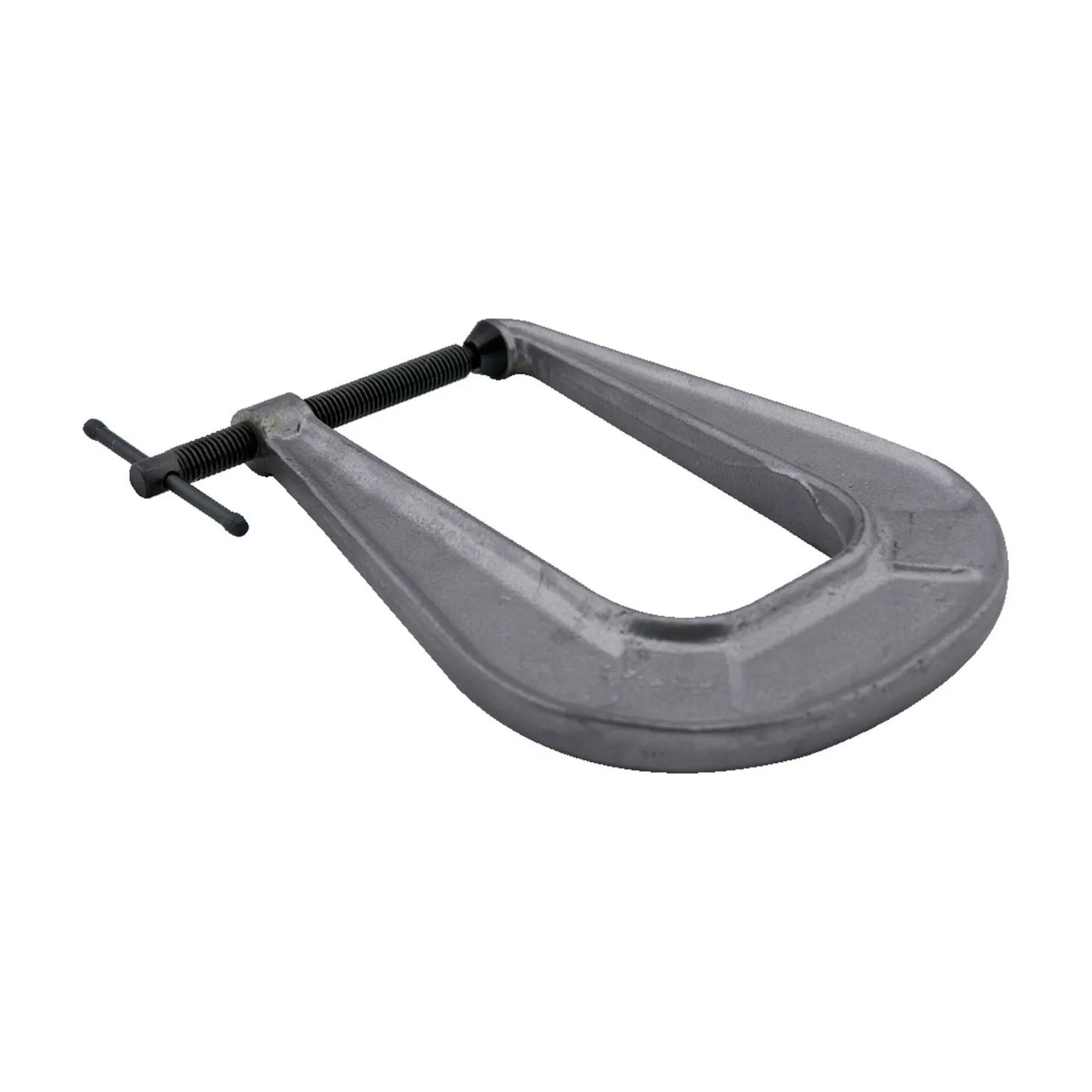


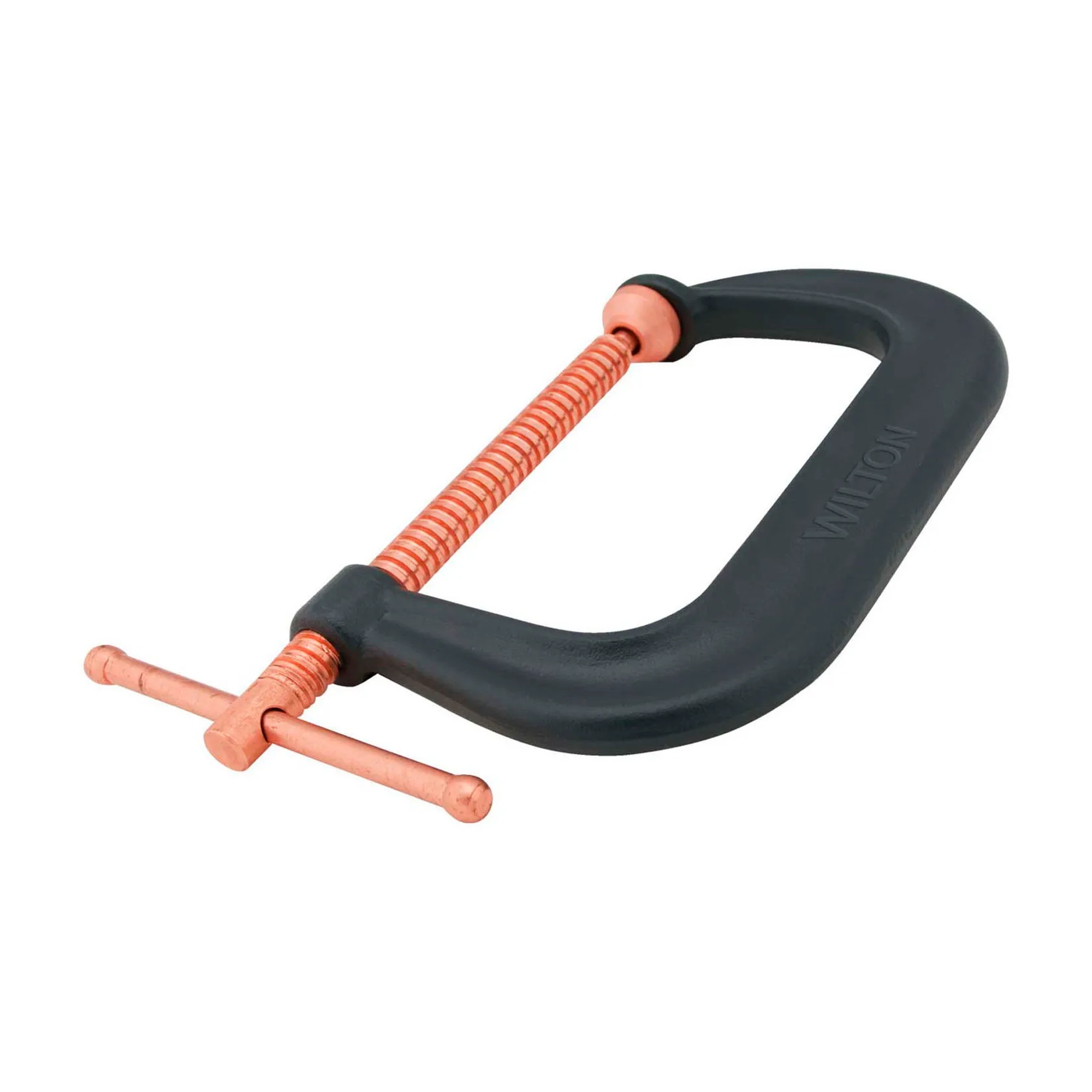


C-Clamp Buying Guide
Choose a C-clamp by first confirming the workpiece size and where the clamping point sits relative to its edge. Then compare the available frame construction, throat depth, opening capacity, and contact features for the task at hand.
Popular examples in this category
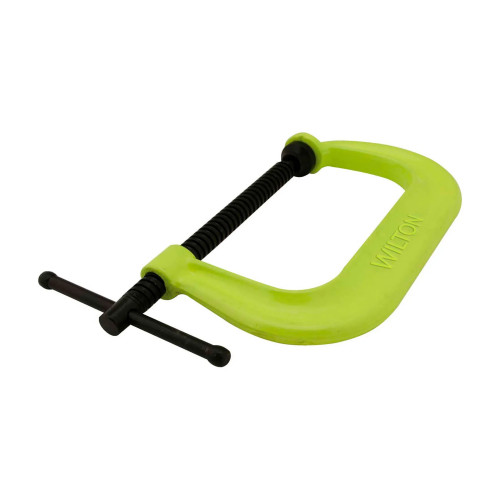 High-Visibility Drop-Forged C-Clamp, 2-1/8 in. OpeningWBB503428
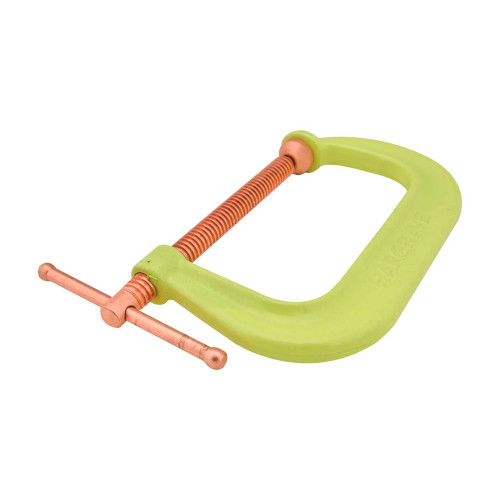 Hi-Visibility Drop-Forged C-Clamp, 10 in. OpeningWBB503883
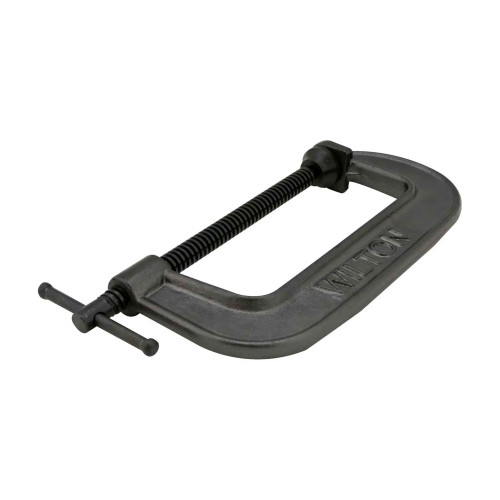 540A Series C-Clamp with 2-1/2 in. Jaw OpeningWBB503605
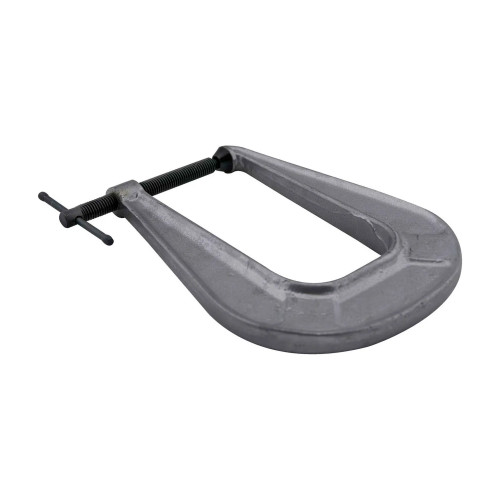 Deep-Reach Carriage C-Clamp, 2-1/2 in Opening, 4-3/4 in Throat DepthWBB503902
Hold materials during setup and work
C-clamps in this category are used to secure workpieces during steel fabrication, industrial welding, maintenance, repair, woodworking, assembly, positioning, and close-detail work.
Start with opening and throat depth
Match the opening capacity to the workpiece thickness or width, then select a throat depth that reaches the required clamping location from the edge.
Choose features for the material shape
V-grooved anvils help position round, square, and flat stock. Oscillating pads, heads, and tips help the contact point align with angular or workpiece surfaces.
Compare contact and visibility features
Nylon contact components help protect work surfaces. Replaceable pads support continued use when replacement is needed, while high-visibility yellow finishes make clamps easier to spot in active work areas.
Available opening capacities span from 2 inches to 10 inches.
Extended throat options provide reach farther from a workpiece edge.
A compact forged steel option lists up to 1,100 lb of clamping pressure.
Nylon-tipped and replaceable-pad designs are represented for contact needs.
Compare C-Clamp Types
Use this overview to compare the product groups and features represented in the category.
| C-clamp type | Representative capacity and reach | Features and applications |
|---|---|---|
| Carriage-style C-clamps | 2-1/2 in. openings; throat depths from 1-3/4 in. to 4-3/4 in.; an 8 in. opening option with 3-1/4 in. throat depth | Ductile iron frames, sliding cross-pin handles, and oscillating contact components for light industrial woodworking, repair, assembly, and shop work. |
| Drop-forged C-clamps | 2-1/8 in., 4 in., 8 in., and 10 in. opening options; throat depths up to 5-3/8 in. | Fabrication, maintenance, repair, and welding options with V-grooved anvils; selected models include copper-plated ACME spindles, oscillating steel pads, replaceable pads, or high-visibility finishes. |
| Compact and junior C-clamps | 2 in. to 2-1/2 in. openings; throat depths from 1-1/4 in. to 2-5/16 in. | Forged steel options for compact holding and close-detail work; selected models include oscillating heads, nylon contact components, and listed clamping pressure values. |
Plan the right fit before choosing
Confirm capacity before selecting a clamp
Opening capacity determines the size of workpiece the clamp can accommodate. The represented options range from 2-inch openings to 10-inch openings. Throat depth determines how far the clamp can reach from the edge toward the desired clamping point.
- Choose a 2-inch to 2-1/2-inch opening for compact workpieces represented in the selection.
- Consider 4-inch, 8-inch, or 10-inch openings when the workpiece requires greater capacity.
- Select deeper-reach designs when the clamping location is farther from the edge, including throat depths up to 5-3/8 inches.
Match construction to the work environment
The category includes ductile iron carriage-style clamps for light industrial woodworking and repair work, along with forged steel and drop-forged clamps for shop, maintenance, fabrication, and welding applications. Select the construction and design described for the work you perform.
- Ductile iron frames are represented in woodworking, shop, and repair clamps.
- Drop-forged construction is represented in regular-duty fabrication, maintenance, welding, and repair clamps.
- Forged steel frames are represented in compact and junior clamps for controlled holding tasks.
Consider the workpiece surface and shape
Contact features can help position material and maintain secure contact as a clamp is tightened. Several options use V-grooved anvils for round, square, and flat materials, while oscillating components help align to the work surface.
- Use V-grooved anvils when holding round, square, or flat stock.
- Consider oscillating steel pads for firm contact on angular surfaces.
- Choose nylon tips and inserts when helping protect contact surfaces is a priority.
- Compare replaceable pads when continued use with replacement contact pads is needed.
Common questions before buying
What C-clamp opening size should I choose?
Choose an opening that accommodates the thickness or width of the workpiece. Represented options range from 2 inches to 10 inches.
Why does throat depth matter on a C-clamp?
Throat depth indicates reach from the workpiece edge to the clamping point. A deeper throat helps when the clamp must reach farther onto the material.
When is a V-grooved anvil useful?
A V-grooved anvil helps position and secure round, square, and flat stock.
Which C-clamp features help protect a work surface?
A junior C-clamp with nylon tip and inserts helps protect contact surfaces. Oscillating contact components can also help align the clamp foot or tip with the work surface.