
-
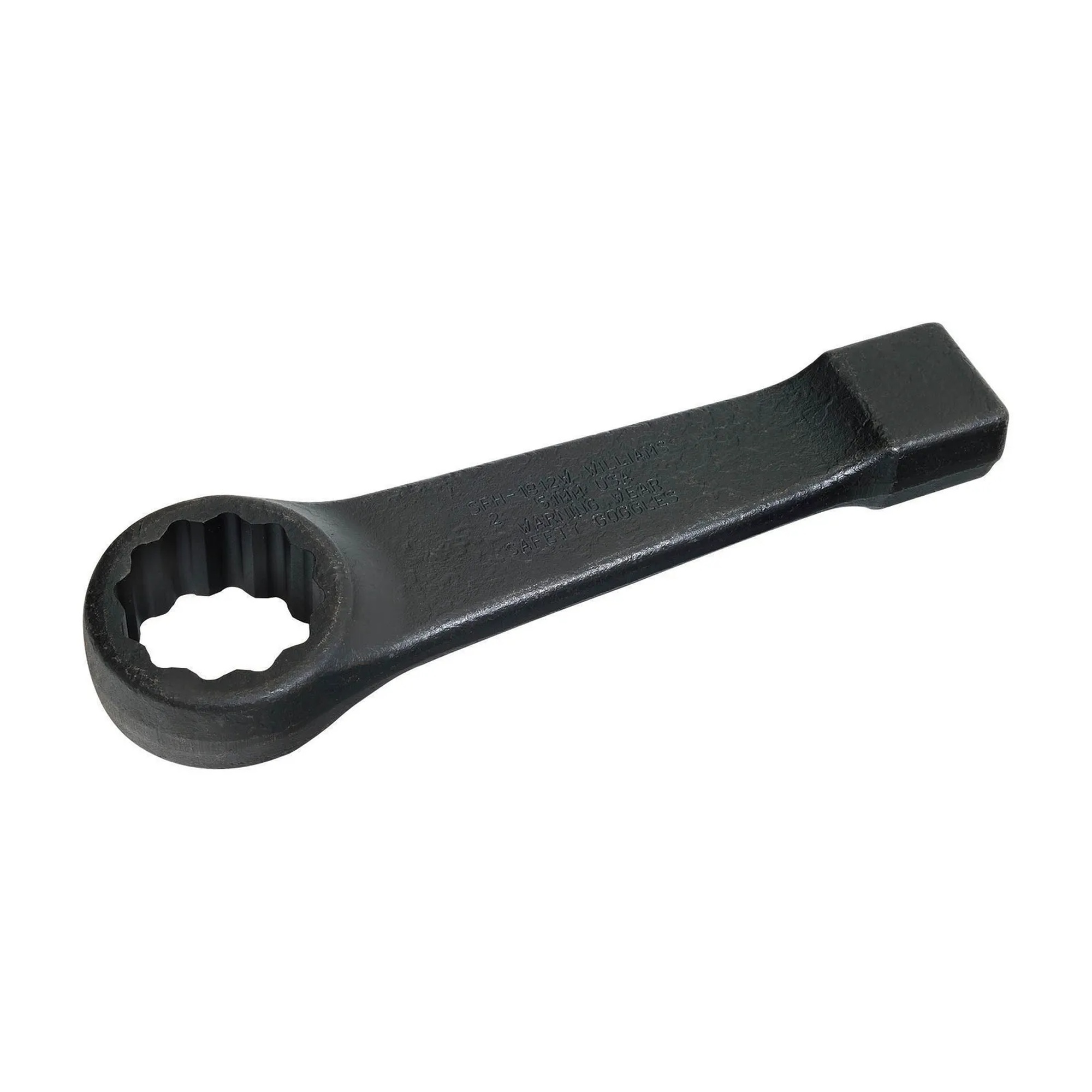
Straight Pattern 12-Point Box End Striking Wrench, 3-3/4 in. Opening
Our Price:$495.94This straight-pattern box end striking wrench is designed for industrial users who need to loosen frozen fasteners or set and tighten fasteners. Its striking face accepts hammer blows on the anvil...
-
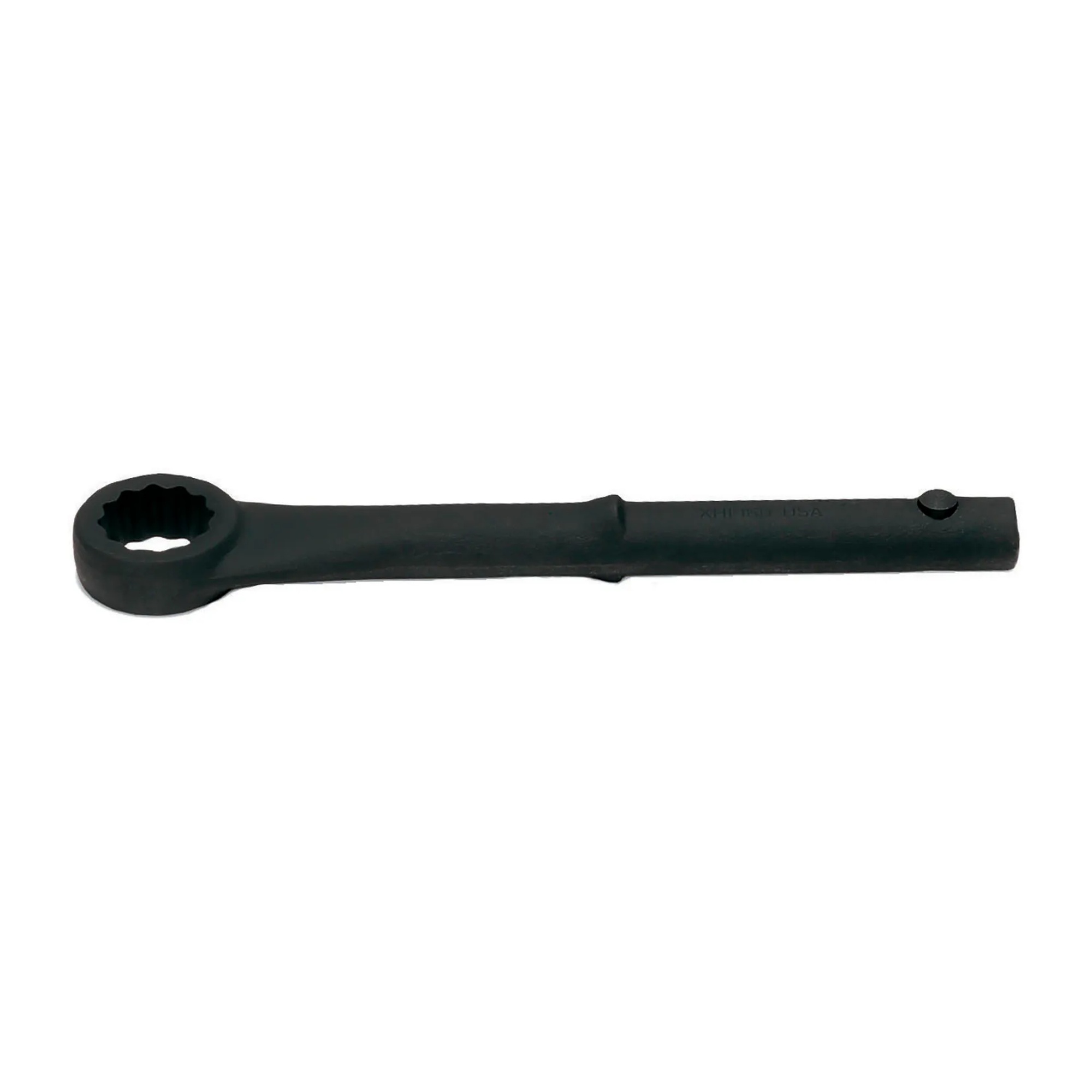
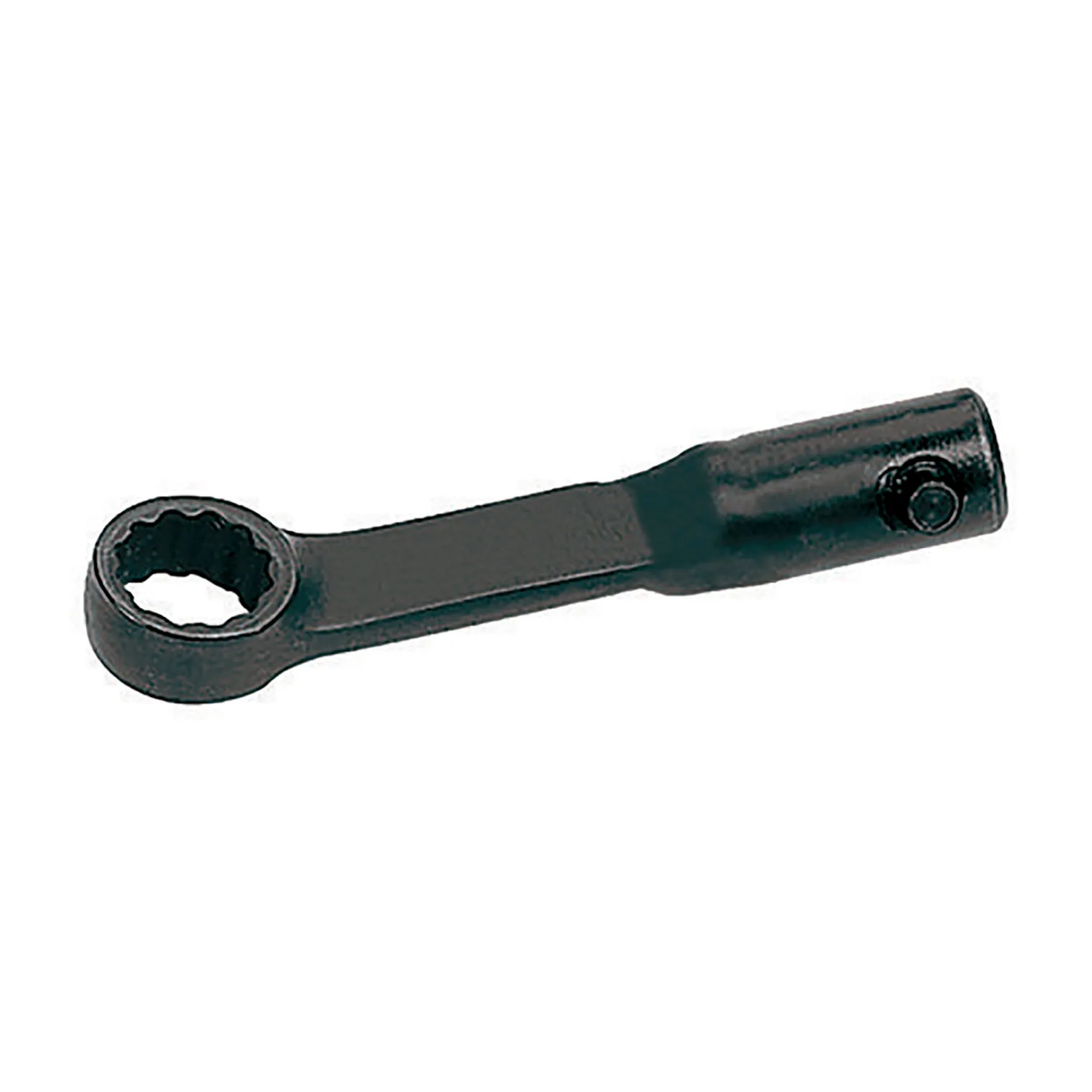
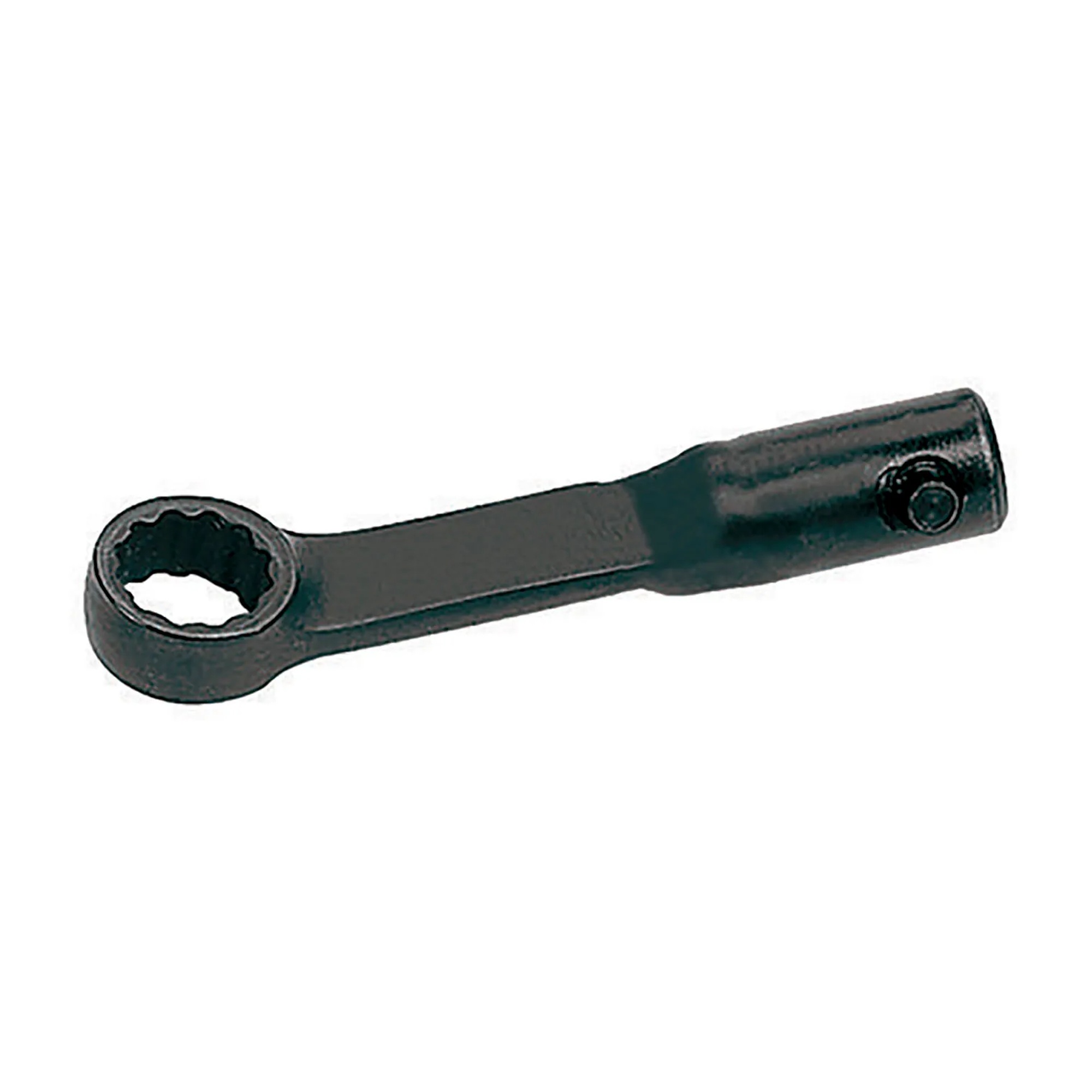
Straight Tubular Handle Box Wrench, 12-Point, 3/4 in. Opening
Our Price:$53.94This 3/4 in. straight box wrench is designed for maintenance and repair professionals who need to turn fasteners in tight-clearance areas. It can be used on its own for quickly running down nuts or...
-
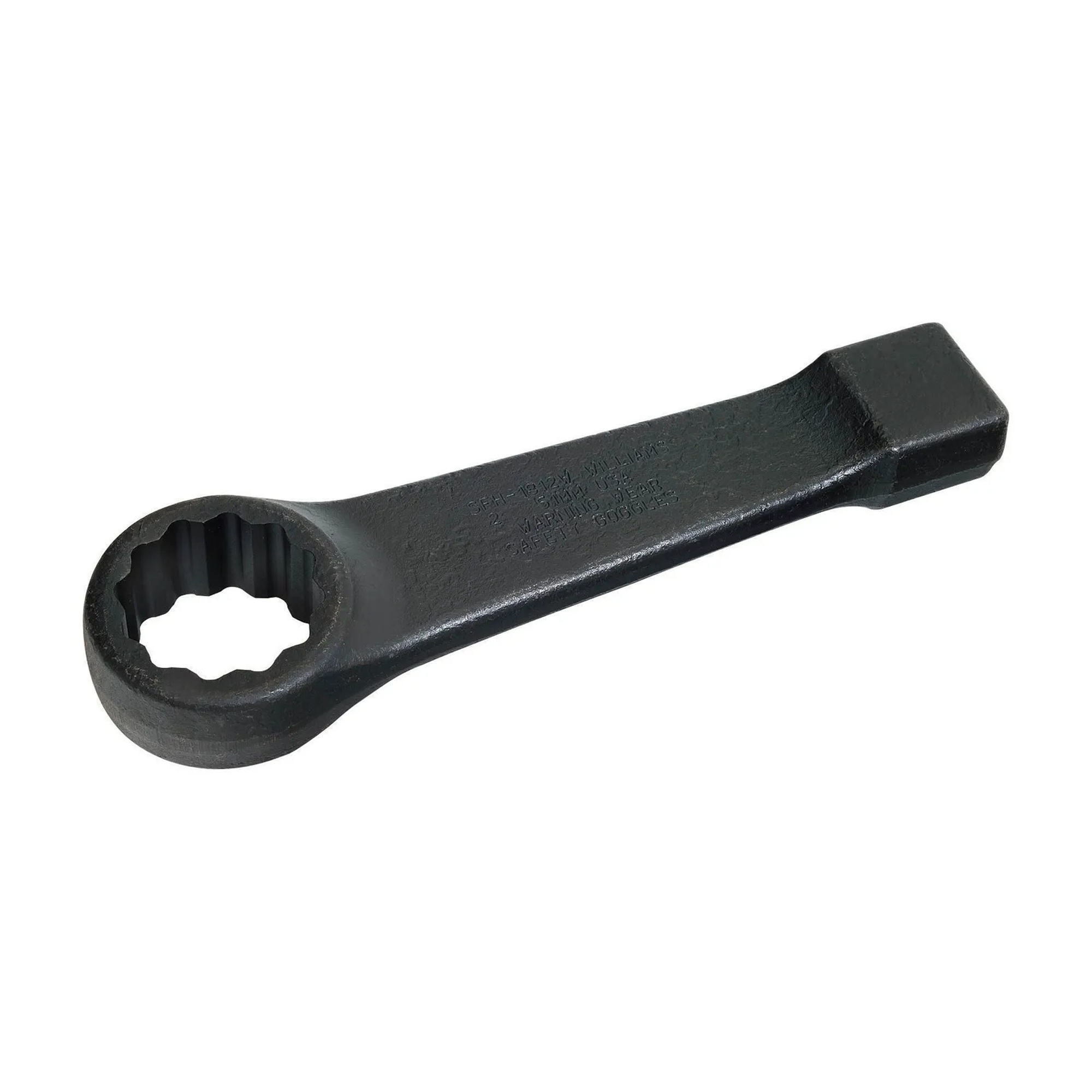
Straight-Pattern 12-Point Box End Striking Wrench, 1-1/4 in. Opening
Our Price:$58.94This straight-pattern box end striking wrench is designed for industrial maintenance professionals who need to loosen frozen fasteners or set and tighten fasteners with hammer-assisted force. Its...
-
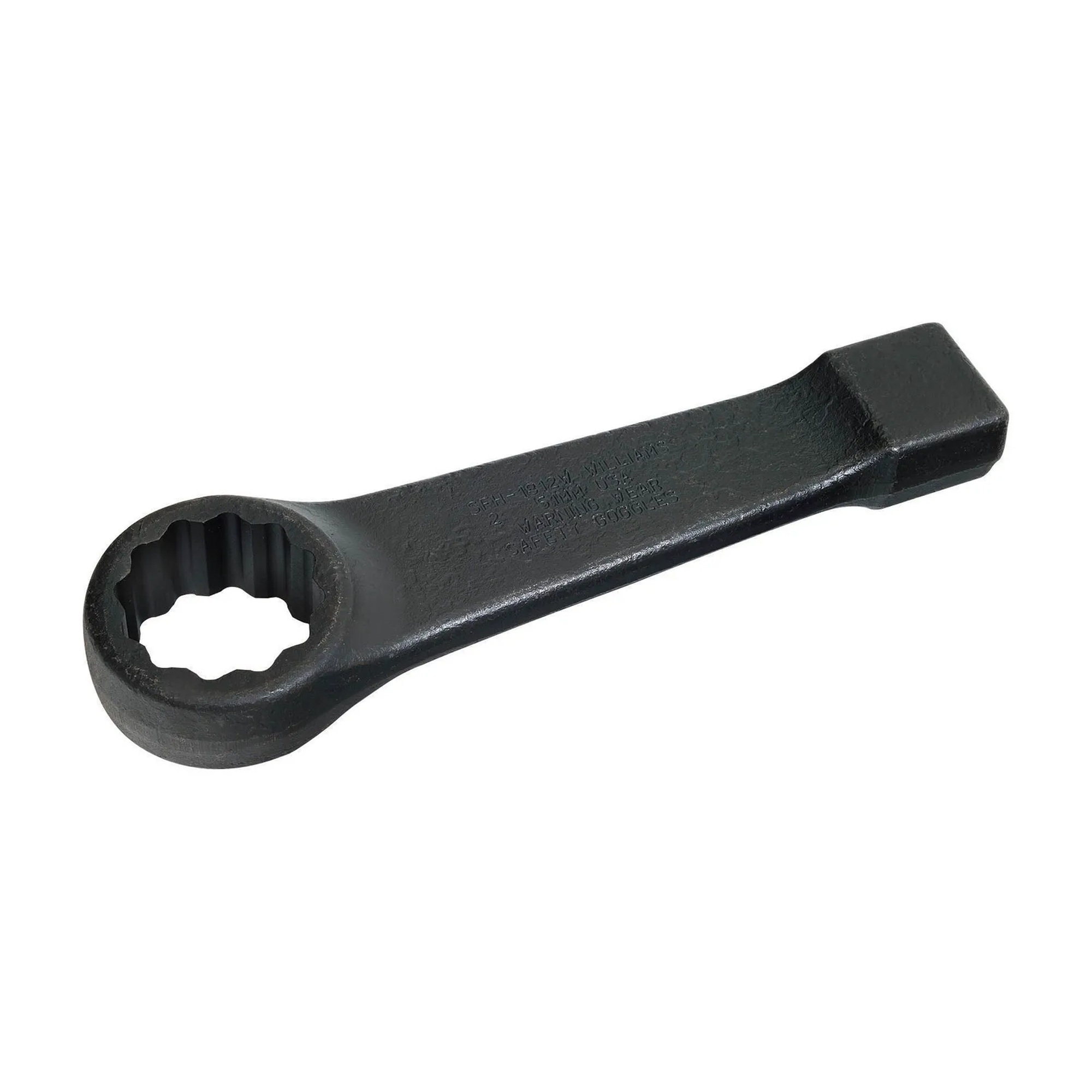
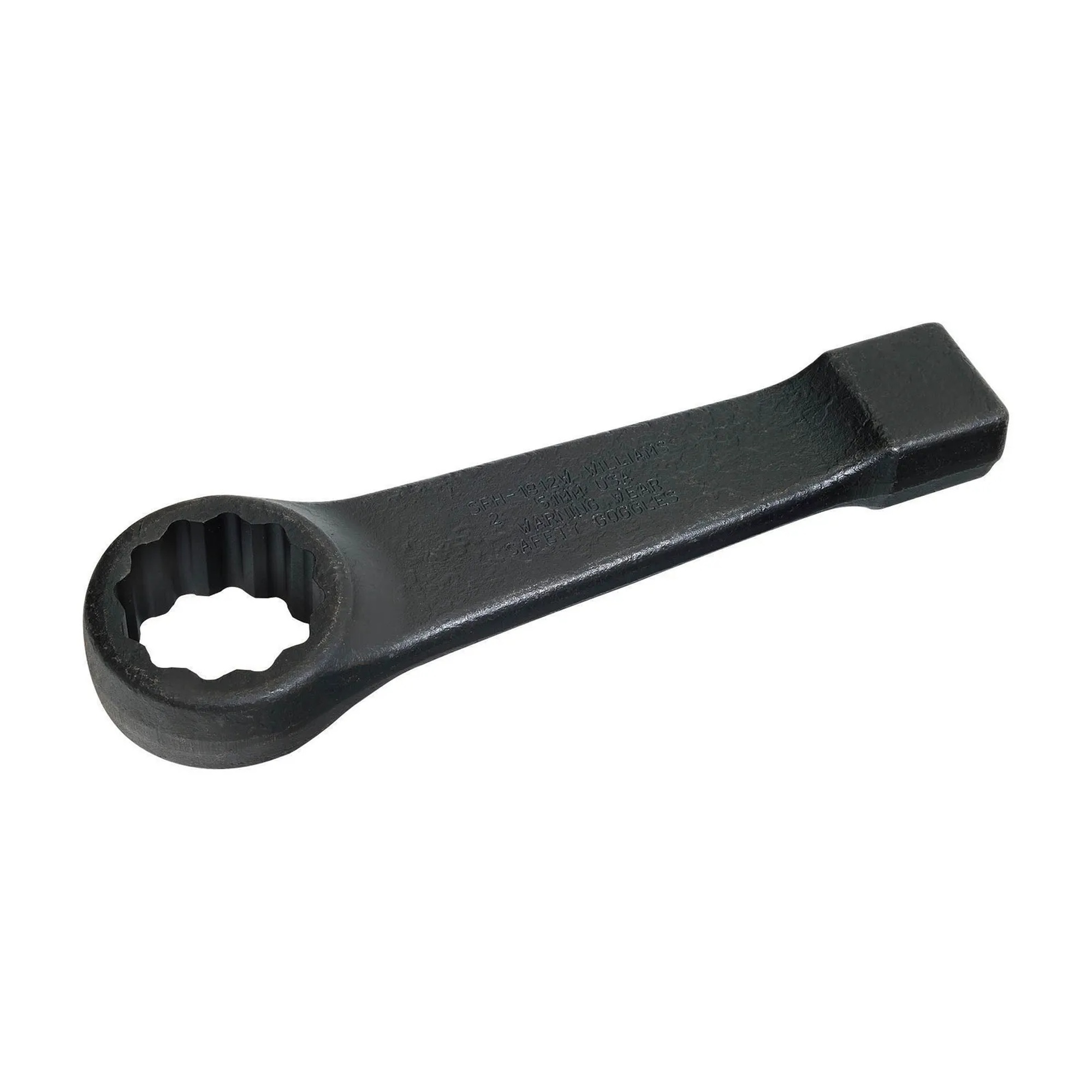
Straight-Pattern 12-Point Box End Striking Wrench, 2 in. Opening
Our Price:$125.94This straight-pattern box end striking wrench is designed for industrial users who need to loosen stuck fasteners or set and tighten fasteners with hammer-assisted force. Its 2 in. opening and...
-
Straight-Pattern 12-Point Box End Striking Wrench, 2-15/16 in. Opening
Our Price:$375.94This straight-pattern box end striking wrench is for industrial maintenance and repair teams working with large fasteners. Its hammer-strike anvil helps users loosen seized fasteners and set or...
-
Straight-Pattern 12-Point Box End Striking Wrench, 2-3/16 in. Opening
Our Price:$155.94This straight-pattern box end striking wrench is for maintenance and industrial users who need to loosen, set, or tighten large fasteners. Its striking-face design allows a hammer to be used on the...
-
Straight-Pattern 12-Point Box End Striking Wrench, 2-3/8 in. Opening
Our Price:$185.94This straight-pattern box end striking wrench is built for maintenance and industrial users who need to loosen, set, or tighten large fasteners. Its striking face allows hammer impact at the anvil...
-
Straight-Pattern 12-Point Box End Striking Wrench, 2-5/8 in. Opening
Our Price:$205.94This straight-pattern box end striking wrench is for industrial users who need to loosen stuck fasteners or set and tighten fasteners by striking the anvil area with a hammer. Its 2-5/8 in. opening...
-
Straight-Pattern 12-Point Box End Striking Wrench, 3-1/2 in. Opening
Our Price:$465.94This straight-pattern box end striking wrench is for industrial users who need to loosen, set, or tighten large fasteners. Its striking face allows hammer impact at the anvil area when additional...
-
Straight-Pattern 12-Point Box End Striking Wrench, 3-1/8 in. Opening
Our Price:$375.94This straight-pattern box end striking wrench is for industrial users who need to loosen stuck fasteners or set and tighten fasteners. Its hammer-strike anvil area supports controlled impact use...
-
Straight-Pattern 12-Point Box End Striking Wrench, 3-3/8 in. Opening
Our Price:$399.94This straight-pattern box end striking wrench is for industrial users who need to loosen, set, or tighten large fasteners. Its hammer-strike anvil area supports added impact when working with frozen...
-
Z-Shank 12-Point Offset Box End Torque Wrench Head, 1-5/8 in.
Our Price:$195.94This interchangeable box end wrench head is for technicians and maintenance professionals using compatible Z-shank torque wrench bodies. It provides a 12-point box end for applying torque to 1-5/8 in...
-
Z-Shank Interchangeable 12-Point Box-End Torque Wrench Head, 1-13/16 in. Square Drive
Our Price:$199.94This interchangeable box-end torque wrench head is for technicians and maintenance professionals using compatible Z-shank interchangeable-head torque wrenches. It adds a 12-point box end for applying...


Choose a Box End Wrench for the Fastener and Access Conditions
Start with the fastener opening size and measurement system, then match the wrench pattern to the job. The available range includes metric and SAE double-end wrenches, single-opening striking wrenches, and an offset tubular-handle wrench. Many options use 12-point box openings, while offset and angled designs help when direct access is limited.
Popular examples in this category
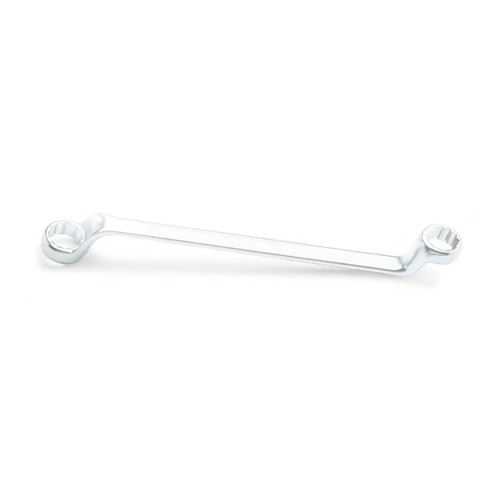 Double-End Deep Offset Box Wrench, 24 mm x 26 mmWBB3196149
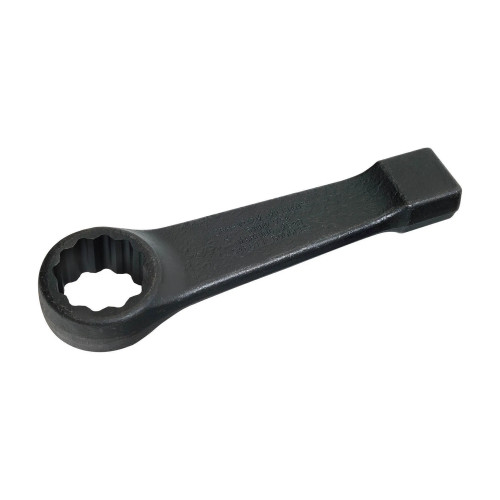 Straight Pattern 12-Point Box End Striking Wrench, 1-13/16 in. OpeningWBB3193138
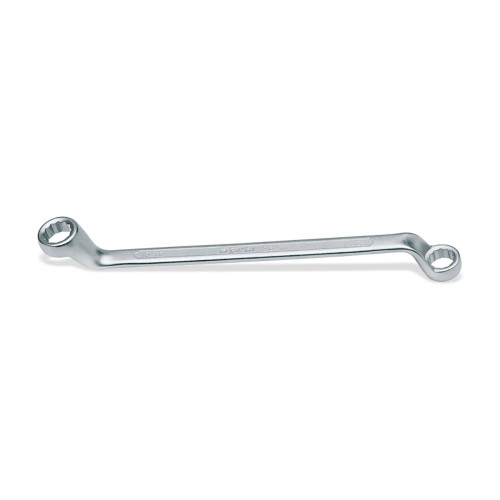 Deep Offset 12-Point Double Box-End Wrench, 5/16 in. x 3/8 in.WBB3196071
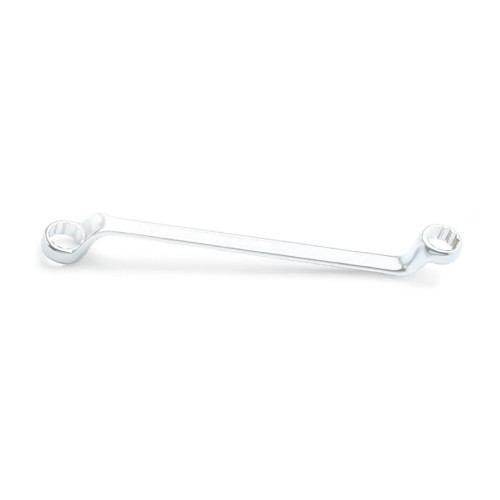 Double-End Deep Offset Box Wrench, 10 mm x 12 mmWBB3196072
Service, repair, and industrial fastening
Use box end wrenches to turn compatible fasteners during maintenance and repair. Deep-offset double-end models suit recessed or obstructed locations, while striking styles are intended for loosening frozen fasteners or for setting and tightening with hammer blows at the anvil area.
Match the opening, pattern, and clearance
Confirm whether the work calls for metric or SAE sizing and select the stated opening size. Choose a double-end wrench when two sizes are useful, a striking wrench when hammer-assisted force is needed, or a tubular-handle design for rundown work and optional-handle use for final tightening or harder-to-reach fasteners.
Work around recessed and confined fasteners
Deep-offset ends, 75° angled handles, 60° offset ends, and offset striking handles help provide access, clearance, or reach around surrounding components. Straight striking handles are designed to resist springing while helping turn fasteners.
12-point engagement across the range
The represented wrenches feature 12-point box ends or openings for compatible fasteners. Selected striking models have heat-treated designs or construction to support durability, and the tubular-handle wrench includes a shaft detent to help align its handle attachment.
Double-end models combine two listed fastener sizes in one wrench.
The represented tools use 12-point box ends or openings.
Selected double-end styles use 60° offset ends or a 75° angled handle.
The range includes double-end, striking, and tubular-handle designs.
Compare Box End Wrench Types
Compare the main patterns represented in this category by the fastener task and access requirements.
| Deep-offset double-end | Striking box end | Offset tubular-handle |
|---|---|---|
| Two stated metric or SAE opening sizes in one wrench | One stated inch opening | One stated 1-1/16 in. opening |
| Deep offset, 75° angled handle, or 60° offset ends help with clearance and access | Straight or offset handle options; anvil area accepts hammer strikes | Offset head adds clearance; can be used with or without an optional handle |
| For turning compatible fasteners in recessed, obstructed, or confined locations | For loosening frozen fasteners or setting and tightening with hammer-assisted force | For quickly running down compatible nuts, final tightening, or harder-to-reach fasteners with an optional handle |
Plan the right fit before choosing
Select the exact opening sizes needed
Double-end models combine two sizes in one hand tool, including 10 mm x 12 mm, 12 mm x 14 mm, 24 mm x 26 mm, 5/16 in. x 3/8 in., and 9/16 in. x 5/8 in. Single-opening options represented include 1-1/16 in., 1-5/16 in., 1-1/2 in., 1-13/16 in., 2-5/16 in., 3-3/8 in., and 3-1/2 in.
- Choose metric openings for stated metric fasteners.
- Choose SAE openings for stated inch-size fasteners.
- Use a double-end style when both listed sizes are needed.
Choose the head and handle configuration for the work area
For restricted locations, deep-offset ends and angled handles help reach recessed or obstructed fasteners. A 60° offset design adds knuckle and bolt clearance, while offset striking handles provide clearance in confined areas. Where hammer-assisted force is required, select a striking wrench with an anvil or striking face.
- Deep-offset designs help access confined or recessed areas.
- Straight striking handles help resist springing.
- Striking anvils and faces are designed to receive hammer blows.
Consider tubular-handle operation for compatible nuts
The 1-1/16 in. offset tubular-handle wrench can be used without a handle for quickly running down nuts. It can also be paired with an optional handle for final tightening or access to harder-to-reach fasteners.
- The offset head provides added clearance.
- The shaft detent helps align the handle locking button and handle hole.
- Use the 12-point opening with compatible 1-1/16 in. nuts.
Common questions before buying
What is the difference between a double-end and a striking box end wrench?
A double-end wrench provides two stated opening sizes in one tool. A striking wrench has an anvil or striking face designed to receive hammer blows for loosening frozen fasteners or for setting and tightening.
When is a deep-offset box end wrench useful?
Deep-offset designs help reach fasteners in confined, recessed, or obstructed locations. Selected models also use 75° angled handles to support access around surrounding components.
Are both metric and SAE box end wrenches represented?
Yes. The category includes double-end metric options and SAE options, along with single-opening inch-size striking and tubular-handle wrenches.
What is the tubular-handle wrench used for?
The represented 1-1/16 in. offset tubular-handle wrench can run down compatible nuts without a handle, then be used with an optional handle for final tightening or access to harder-to-reach fasteners.
Choose a Box End Wrench for the Fastener and Access Conditions
Start with the fastener opening size and measurement system, then match the wrench pattern to the job. The available range includes metric and SAE double-end wrenches, single-opening striking wrenches, and an offset tubular-handle wrench. Many options use 12-point box openings, while offset and angled designs help when direct access is limited.
Popular examples in this category
Service, repair, and industrial fastening
Use box end wrenches to turn compatible fasteners during maintenance and repair. Deep-offset double-end models suit recessed or obstructed locations, while striking styles are intended for loosening frozen fasteners or for setting and tightening with hammer blows at the anvil area.
Match the opening, pattern, and clearance
Confirm whether the work calls for metric or SAE sizing and select the stated opening size. Choose a double-end wrench when two sizes are useful, a striking wrench when hammer-assisted force is needed, or a tubular-handle design for rundown work and optional-handle use for final tightening or harder-to-reach fasteners.
Work around recessed and confined fasteners
Deep-offset ends, 75° angled handles, 60° offset ends, and offset striking handles help provide access, clearance, or reach around surrounding components. Straight striking handles are designed to resist springing while helping turn fasteners.
12-point engagement across the range
The represented wrenches feature 12-point box ends or openings for compatible fasteners. Selected striking models have heat-treated designs or construction to support durability, and the tubular-handle wrench includes a shaft detent to help align its handle attachment.
Double-end models combine two listed fastener sizes in one wrench.
The represented tools use 12-point box ends or openings.
Selected double-end styles use 60° offset ends or a 75° angled handle.
The range includes double-end, striking, and tubular-handle designs.
Compare Box End Wrench Types
Compare the main patterns represented in this category by the fastener task and access requirements.
| Deep-offset double-end | Striking box end | Offset tubular-handle |
|---|---|---|
| Two stated metric or SAE opening sizes in one wrench | One stated inch opening | One stated 1-1/16 in. opening |
| Deep offset, 75° angled handle, or 60° offset ends help with clearance and access | Straight or offset handle options; anvil area accepts hammer strikes | Offset head adds clearance; can be used with or without an optional handle |
| For turning compatible fasteners in recessed, obstructed, or confined locations | For loosening frozen fasteners or setting and tightening with hammer-assisted force | For quickly running down compatible nuts, final tightening, or harder-to-reach fasteners with an optional handle |
Plan the right fit before choosing
Select the exact opening sizes needed
Double-end models combine two sizes in one hand tool, including 10 mm x 12 mm, 12 mm x 14 mm, 24 mm x 26 mm, 5/16 in. x 3/8 in., and 9/16 in. x 5/8 in. Single-opening options represented include 1-1/16 in., 1-5/16 in., 1-1/2 in., 1-13/16 in., 2-5/16 in., 3-3/8 in., and 3-1/2 in.
- Choose metric openings for stated metric fasteners.
- Choose SAE openings for stated inch-size fasteners.
- Use a double-end style when both listed sizes are needed.
Choose the head and handle configuration for the work area
For restricted locations, deep-offset ends and angled handles help reach recessed or obstructed fasteners. A 60° offset design adds knuckle and bolt clearance, while offset striking handles provide clearance in confined areas. Where hammer-assisted force is required, select a striking wrench with an anvil or striking face.
- Deep-offset designs help access confined or recessed areas.
- Straight striking handles help resist springing.
- Striking anvils and faces are designed to receive hammer blows.
Consider tubular-handle operation for compatible nuts
The 1-1/16 in. offset tubular-handle wrench can be used without a handle for quickly running down nuts. It can also be paired with an optional handle for final tightening or access to harder-to-reach fasteners.
- The offset head provides added clearance.
- The shaft detent helps align the handle locking button and handle hole.
- Use the 12-point opening with compatible 1-1/16 in. nuts.
Common questions before buying
What is the difference between a double-end and a striking box end wrench?
A double-end wrench provides two stated opening sizes in one tool. A striking wrench has an anvil or striking face designed to receive hammer blows for loosening frozen fasteners or for setting and tightening.
When is a deep-offset box end wrench useful?
Deep-offset designs help reach fasteners in confined, recessed, or obstructed locations. Selected models also use 75° angled handles to support access around surrounding components.
Are both metric and SAE box end wrenches represented?
Yes. The category includes double-end metric options and SAE options, along with single-opening inch-size striking and tubular-handle wrenches.
What is the tubular-handle wrench used for?
The represented 1-1/16 in. offset tubular-handle wrench can run down compatible nuts without a handle, then be used with an optional handle for final tightening or access to harder-to-reach fasteners.