
-
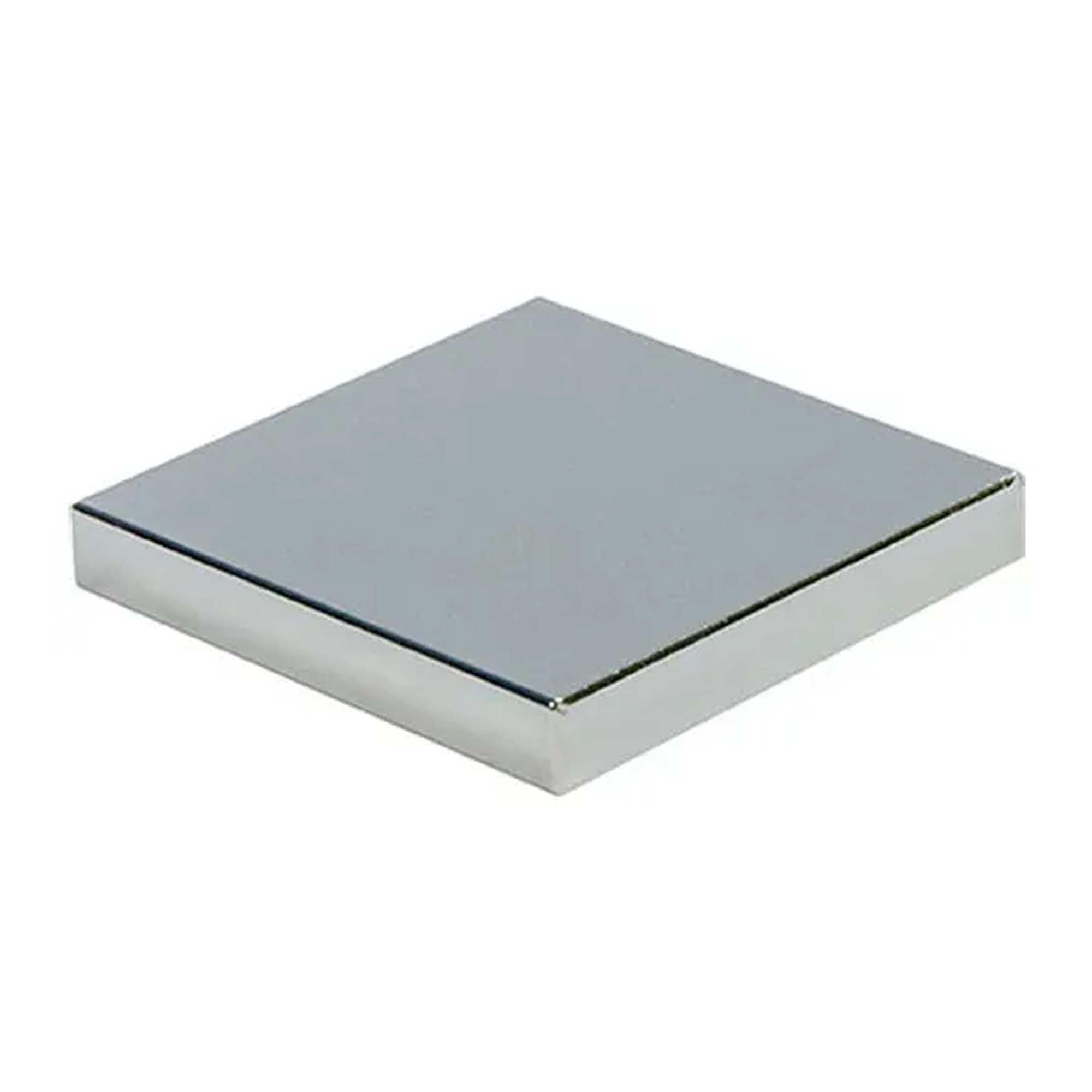
Rectangular Rare Earth Magnet, 0.12 in. Thick x 1 in. W x 1 in. L
Our Price:$16.49This rectangular rare earth magnet is for commercial buyers creating magnetic hooks, hangers, whiteboards, or magnetic paint and primer installations. Its focused magnetic field is designed to...
-
Rectangular Rare Earth Magnet, 0.12 in. Thick x 1.50 in. W x 1.50 in. L
Our Price:$51.94This rectangular rare earth magnet helps facilities teams, installers, and other commercial users create magnetic attachment points on metal surfaces. It is suited for applications such as magnetic...
-
Rectangular Rare Earth Magnet, 0.18 in. Thick x 1 in. W x 1.5 in. L
Our Price:$57.94This rectangular rare earth magnet is for commercial users who need to secure or support magnetic items on metal surfaces. Its focused magnetic field helps provide holding performance for magnetic...
-
Reversible Ceramic Magnetic Hook, 25 lb Pull, Blue
Our Price:$13.74This reversible magnetic hook gives shop, industrial, and commercial users a convenient way to hang lights, wiring, tools, banners, and decorations from ferrous metal surfaces. Its adjustable hook...
-
Rod-Shaped Retaining Magnet Assembly
Our Price:$9.19This rod-shaped retaining magnet assembly is for users who need magnetic holding power for smaller workpieces. It provides a compact retaining solution that can be pressed into place or glued into an...
-
Rod-Shaped Sandwich Magnet Assembly with Internal Thread
Our Price:$36.94This rod-shaped sandwich magnet assembly is designed for commercial buyers who need a magnet with an internal threaded connection. It provides a magnetic assembly option for attachment and handling...
-
Round Magnetic Cup Rubber Covers, 4-Pack
Our Price:$11.24These rubber covers are designed for users of compatible round magnetic cups who need to help protect finished surfaces from scratching and marring. They fit over the magnetic cups for sign...
-
Rubber Covers for RB50 Round Magnetic Cups, 4-Pack
Our Price:$10.49These rubber covers are for users attaching signs to cars or trailers with compatible round magnetic cups. They fit over RB50 round magnetic cups to help protect contact surfaces from scratching and...
-
Rubber Covers for RB70 Magnetic Cups, 4-Pack
Our Price:$10.74These rubber covers are designed for users who attach items with RB70 magnetic cups and want to help protect contact surfaces from scratches and marring. They fit over compatible round-base magnets...
-
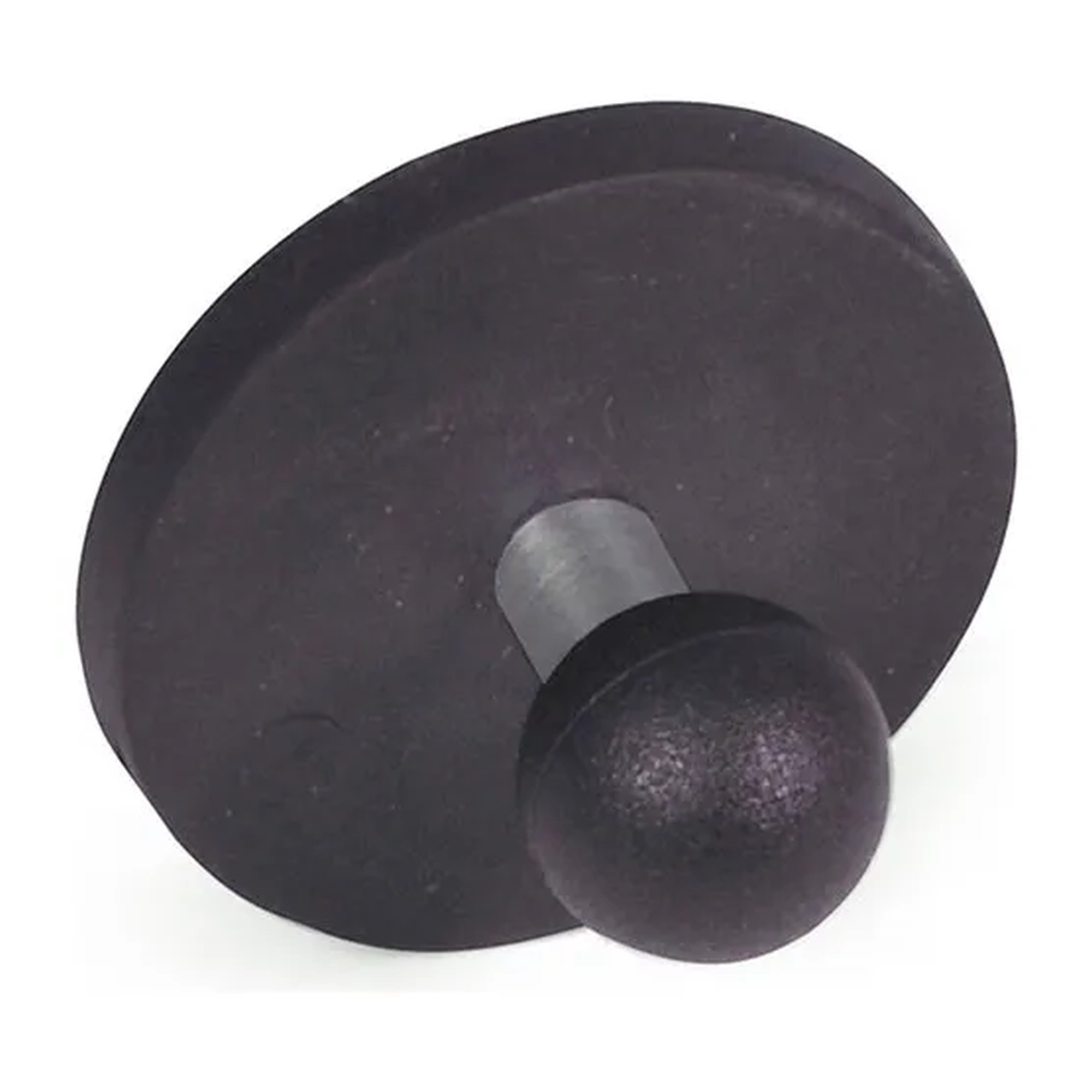
Rubber-Jacketed Retaining Magnet Assembly with Ball Knob
Our Price:$33.94This retaining magnet assembly is for users who need magnetic holding while helping protect surfaces that can be easily marred. Its ball knob provides a convenient handhold for positioning and...
-
Rubber-Jacketed Retaining Magnet with Ball Knob
Our Price:$35.94This retaining magnet assembly is for commercial buyers who need to position or hold items on magnetic surfaces while helping protect easily marred contact areas. Its ball knob provides a convenient...
-
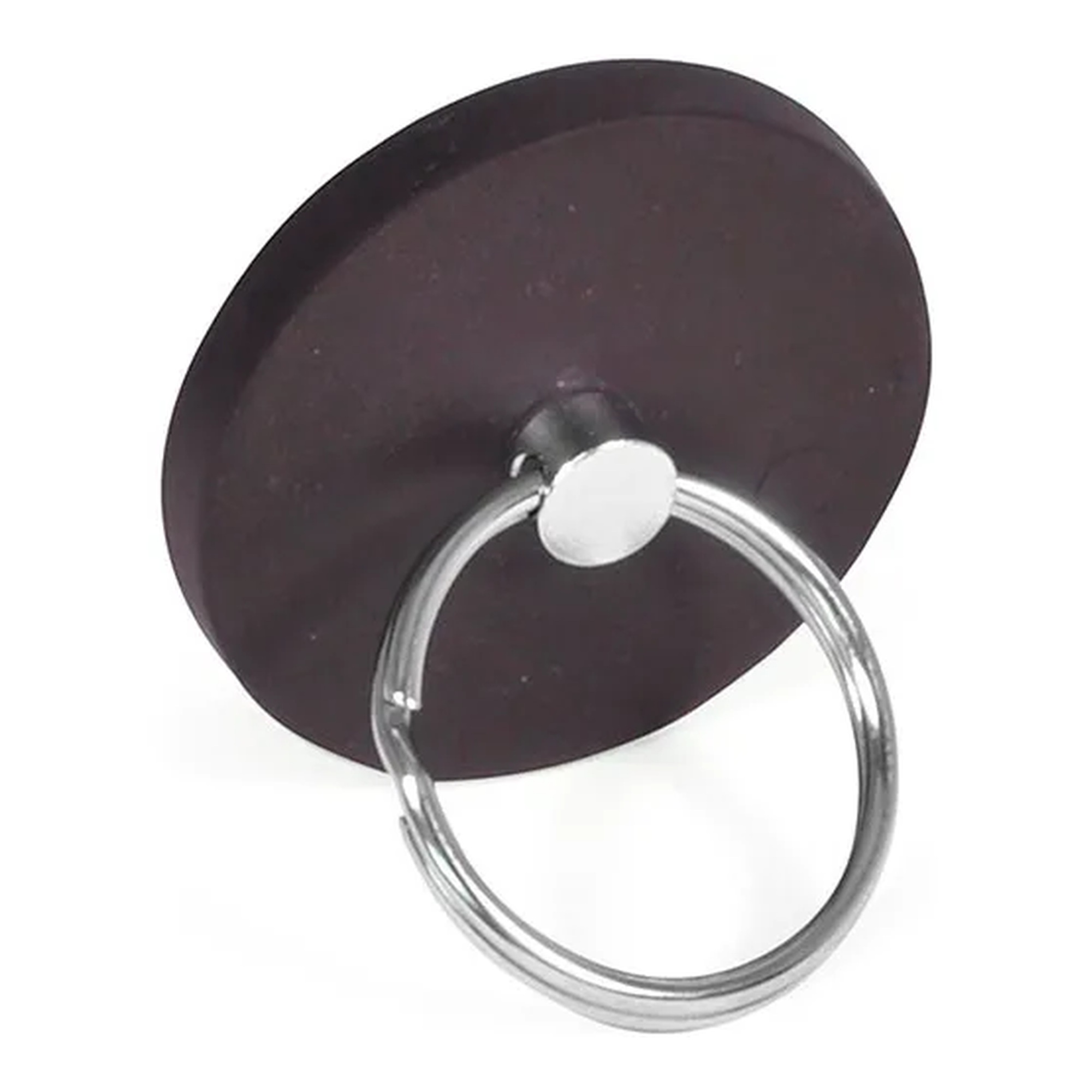
Rubber-Jacketed Retaining Magnet with Key Ring
Our Price:$34.94This retaining magnet assembly is for commercial users who need to hold or secure items magnetically while helping protect easily marred surfaces. Its attached key ring provides a convenient...
-
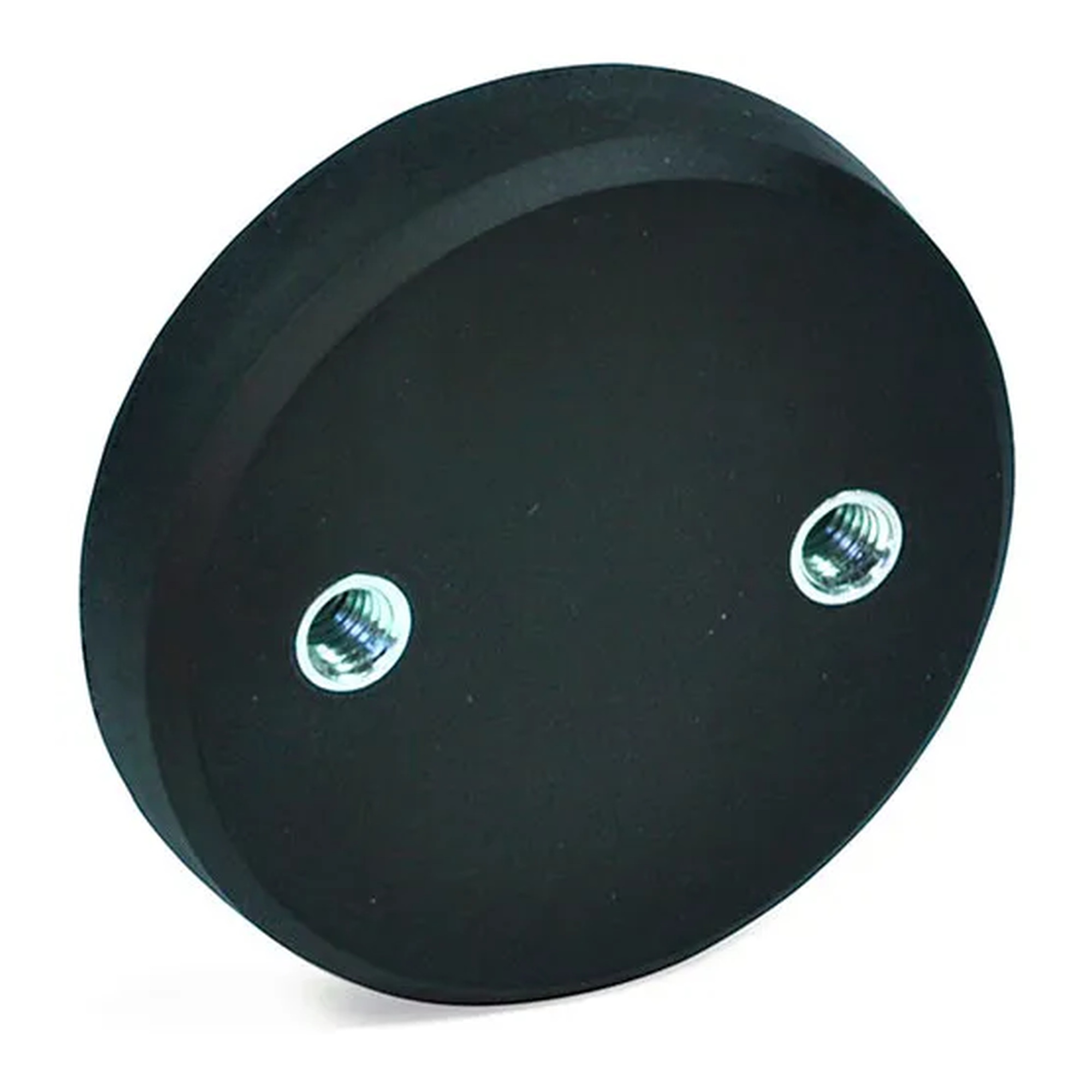
Rubber-Shelled Disc Retaining Magnet with Two Internal Threads
Our Price:$49.94This disc-shaped retaining magnet is for maintenance, assembly, and fixture users who need magnetic retention while helping protect easily marred surfaces. Its rubber-covered design also provides...
-
Shielded 1.26 in. Disc Retaining Magnet with Countersunk Through Hole
Our Price:$6.69This shielded disc retaining magnet is for maintenance, assembly, and fabrication professionals who need to secure magnetic components in place. Its countersunk through hole supports mounted...
-
Shielded Disc Retaining Magnet Assembly with Threaded Stud, 0.98 in. Diameter
Our Price:$7.39This shielded disc retaining magnet assembly is for maintenance and assembly teams that need a threaded magnetic component to retain or position magnetic items. Its threaded stud supports mounting...
-
Shielded Disc Retaining Magnet with Countersunk Hole
Our Price:$4.95This shielded disc retaining magnet is for maintenance and equipment buyers who need a magnetic retaining component with a countersunk through hole for mounting. It provides magnetic holding...
-
Shielded Disc Retaining Magnet with Threaded Stud
Our Price:$29.94This shielded disc retaining magnet is for users who need a threaded magnetic attachment point for retention tasks. Its threaded stud supports mounting while the magnetic assembly provides holding...
-
Shielded Hard Ferrite Retaining Magnet Assembly with M3 Threaded Bushing
Our Price:$4.54This disc-shaped retaining magnet assembly is for maintenance and assembly teams that need a compact magnetic component for threaded installation. Its threaded bushing supports mounting while the...
-
Shielded Hard Ferrite Retaining Magnet Assembly with Thru Hole
Our Price:$109.94This disc-shaped retaining magnet assembly is for commercial buyers and maintenance or equipment personnel who need a magnetic component that can be mounted through its center hole. Its shielded...
-
Shielded Neodymium Retaining Magnet Assembly with Tapped Hole, 1.26 in. Diameter
Our Price:$33.94This disc-shaped retaining magnet assembly is for maintenance, assembly, and hardware users who need a magnet that can be mounted through its tapped hole. Its shielded design provides a practical...





Choose magnets for the connection, surface and holding task
The right magnet depends on what you need to hold or mount, how the item will connect to the magnet, and whether the installation calls for a compact shape, surface protection, a threaded attachment or a raw magnetic component.
Popular examples in this category
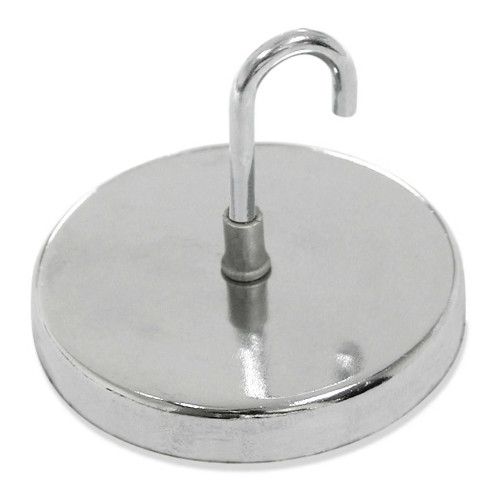 Ceramic Magnetic Hook, 20 lb PullWBB1798430
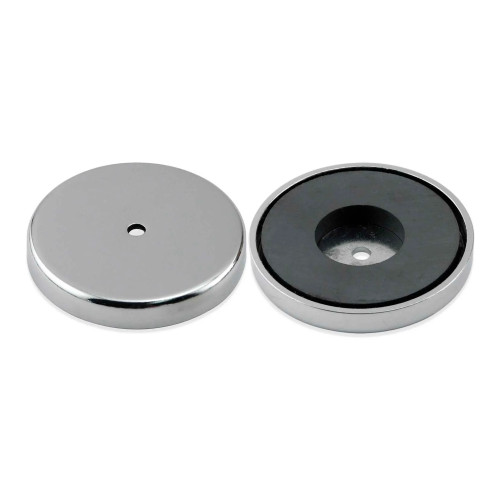 Ceramic Round Base Magnet, 45 lb. PullWBB1798406
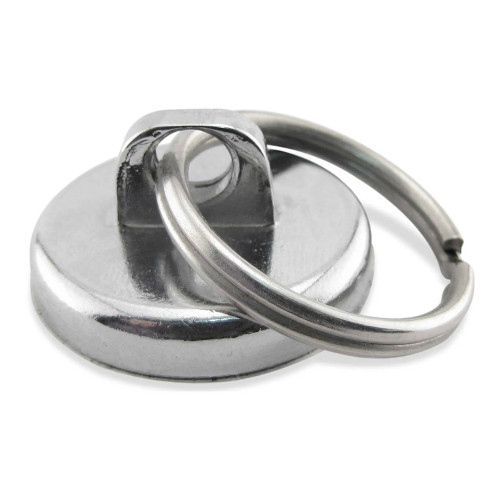 Neodymium Magnet Assembly with Key Ring, 35 lb Pull, Chrome-PlatedWBB1798414
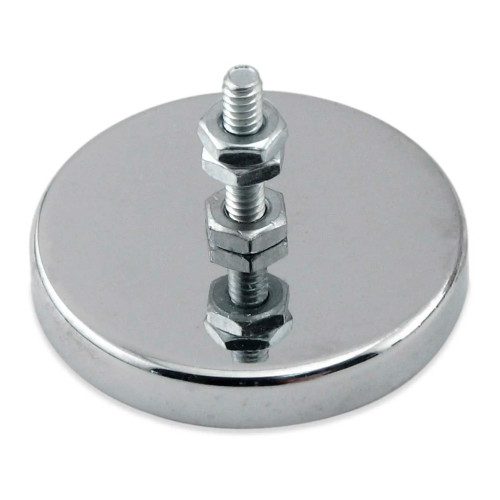 Ceramic Mounting Magnet with Attached 10-24 Stud and NutsWBB1798420
Create flexible holding points
Use magnetic hooks for lights, tools, keys and signs on ferrous metal surfaces. Other assemblies can position equipment, retain components, hold signs or secure aisle and lane chains.
Match the connection style
Choose an integrated hook or key ring for hanging and connection tasks. Select a threaded stud when compatible hardware or an assembly connection is needed, or a raw disk when building a custom arrangement.
Consider the mounting environment
Magnets are represented for metal doors, toolboxes, filing cabinets, magnetic surfaces, equipment assemblies and vertical metal surfaces. Some rare earth designs are intended to improve holding on thin metal.
Compare protection and temperature limits
Protective liners, non-scratch protectors and rubber jackets can help reduce scratching or marring. Listed temperature resistance ranges from 175°F on select assemblies to 390°F on one hard ferrite threaded assembly.
Available on a ceramic magnetic hook.
Available on key-ring and threaded-stud options.
Available on a ceramic round base magnet.
Listed for a hard ferrite shielded disc retaining assembly.
Compare the magnet types represented
Use this overview to narrow the product style that best fits your holding or mounting requirement.
| Magnet type | Connection or profile | Represented uses and considerations |
|---|---|---|
| Hook and key-ring magnets | Integrated hook or key ring | Hang lights, tools, keys and signs, or hold signs and secure aisle or lane chains. |
| Threaded mounting and retaining magnets | Threaded stud, or a center hole for adding a hook or knob | Position or retain compatible components and mount within compatible equipment or assemblies. |
| Rare earth and raw magnets | Rectangular, disc or unshielded disk formats | Support magnetic attachments, including thin-metal, vertical-surface and custom holding applications. |
Plan the right fit before choosing
Select a magnet by the task it needs to perform
For ready-to-use hanging, an integrated hook provides a convenient point for lights, tools, keys or signs. A key ring is suited to holding signs and securing aisle or lane chains. For positioning or retaining compatible components, consider a round base, retaining assembly or mounting magnet with a threaded stud.
- Choose a hook for direct hanging from ferrous metal surfaces.
- Choose a key ring for connected holding tasks.
- Choose a threaded stud when compatible hardware needs a magnetic attachment point.
- Choose a raw magnet for a custom holding construction.
Balance profile and surface considerations
Round bases and disc assemblies offer compact magnetic attachment points, while rectangular rare earth magnets provide thin profiles for magnetic assemblies and attachments. Focused-field rare earth options are represented for close-proximity engagement and improved performance on thin metal. Where contact surfaces may be easily marred, look for a protective liner, non-scratch protector or rubber jacket.
- Low-profile round designs can fit where clearance is limited.
- Disc magnets provide compact attachment formats.
- Rectangular magnets are available in thin, compact formats.
- Rubber-jacketed and protected designs help reduce surface marking.
Check pull ratings, attachment details and temperature resistance
Several products list pull ratings, including 20 lb, 35 lb and 45 lb options. A center attachment hole can accept a hook or knob, while threaded stud products are intended for compatible threaded mounting needs. For applications involving heat, review the stated temperature resistance of the specific assembly.
- Compare the stated pull rating for the intended application.
- Verify that the attachment hole, hook, key ring or stud suits the item being connected.
- Confirm the magnet material and assembly style when it matters to the build.
- Check the stated temperature limit for the application environment.
Common questions before buying
What can magnetic hooks be used for?
They provide a hanging point for lights, tools, keys and signs on ferrous metal surfaces such as metal doors, toolboxes and filing cabinets.
When should I choose a threaded-stud magnet?
Choose one when you need a magnetic fastening or retaining component with a connection for compatible threaded hardware or assemblies.
Which magnets are suited to thin metal?
The represented rectangular and disc rare earth magnets have focused magnetic fields described for improved holding performance on thin metal.
Are there magnets for protecting contact surfaces?
Yes. Some options include a protective liner, non-scratch protector or rubber jacket to help reduce scratching or marring.}]},