
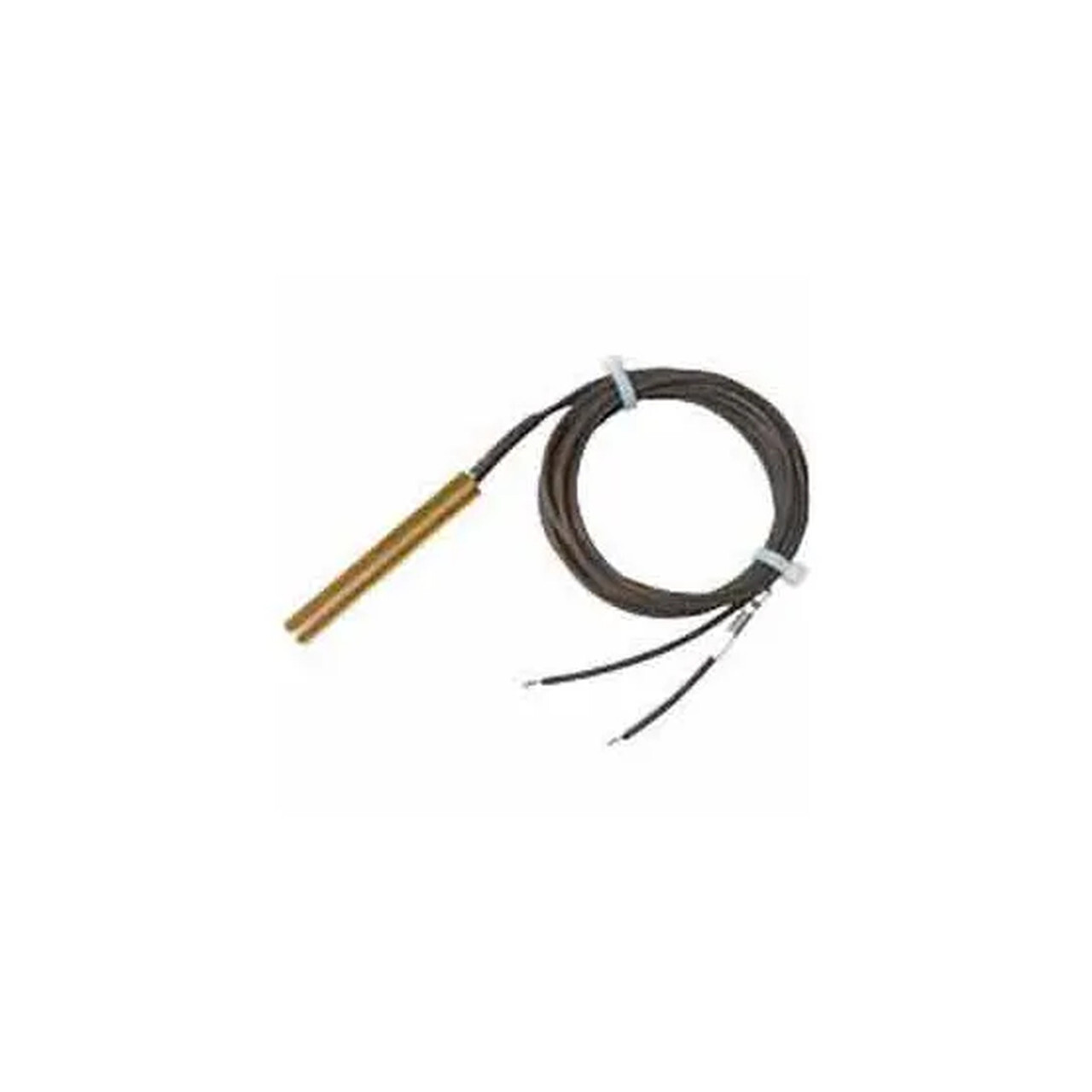
-
1 in. Union Sweat Lead-Free Mixing Valve, 70°F to 145°F
Our Price:$239.94This 1 in. mixing valve is for homeowners and facility users who need to blend stored hot water with cooler water for a more comfortable delivery temperature at sinks, showers, and tubs. It helps...
-
1 Qt. Boiler Water Cleaner and pH Neutralizer
Our Price:$12.74This boiler water treatment is a color-coded liquid for facility maintenance teams and boiler operators. It helps clean boiler water, correct pH balance, and support protection against rust and scale...
-
1 Quart Spray HVAC and Gas Leak Detector
Our Price:$18.24This spray leak detector helps HVAC technicians and maintenance professionals locate leaks in gas and refrigeration lines. Apply it to a suspected area and watch for bubbles to identify the leak...
-
1 Quart Yellow Spray Leak Bubble Detector
Our Price:$19.99This spray-applied leak detector helps HVAC and gas service technicians locate leaks by forming visible bubbles at the leak point. It is used during inspections of systems carrying natural gas,...
-
1-1/2 in. Bronze-Finish Flange Set for UPS Circulator Pumps
Our Price:$129.94This 1-1/2 in. flange set is a circulator pump accessory for HVAC professionals servicing compatible UPS pumps. It provides the specified flange set for use with UPS40, UP43, and UPS43 pump models...
-
1-1/2 in. Cast Iron Circulator Pump Flange Set
Our Price:$35.94This 1-1/2 in. cast iron flange set is a circulator pump accessory for HVAC service professionals and maintenance teams. It is used with compatible pumps to support pump installation or replacement...
-
1-1/2 in. Certified Gas Line Regulator with Corrosion-Resistant Protection
Our Price:$305.94This 1-1/2 in. gas line regulator is designed for residential, commercial, and industrial gas systems. It helps users control gas pressure from full-flow operation down to pilot flow for compatible...
-
1-1/2 in. Gas Line Regulator
Our Price:$219.94This 1-1/2 in. gas line regulator is designed for residential, commercial, and industrial users who need to regulate gas flow in compatible gas systems. It provides controlled delivery from full flow...
-
1-1/2 in. Lever-Acting Gas Regulator
Our Price:$259.94This lever-acting gas regulator is for residential, commercial, and industrial users who need to regulate gas flow in compatible gas systems. It provides controlled operation from full flow down to...
-
1-1/2 in. NPT Hydronic Air Eliminator
Our Price:$299.94This automatic air eliminator is designed for hydronic heating systems. It helps heating professionals remove trapped air from the system so air can be vented rather than remaining in circulation.The...
-
1-1/2 in. Slip-On Oil Tank Vent Cap
Our Price:$8.89This slip-on oil tank vent cap is designed for oil-heating professionals and facility maintenance teams to cover a 1-1/2 in. oil tank vent pipe. Its screened design helps finish the vent-pipe...
-
1-1/2 in. Straight-Through Gas Regulator, 4,500,000 BTU
Our Price:$325.94This 1-1/2 in. gas regulator is designed for commercial heating systems with main burners. It helps manage gas flow in high-capacity applications where low inlet pressure is present and downstream...
-
1-1/4 in. Certified Gas Line Regulator
Our Price:$179.94This 1-1/4 in. gas line regulator is designed for residential, commercial, and industrial gas applications. It helps gas-system users regulate gas flow for equipment that requires controlled...
-
1-1/4 in. Certified Gas Line Regulator with Enhanced Corrosion Protection
Our Price:$305.94This certified gas line regulator is designed for residential, commercial, and industrial users who need to regulate gas from pounds to inches. It supports controlled gas delivery for compatible...
-
1-1/4 in. Lever-Acting Gas Regulator
Our Price:$259.94This lever-acting gas regulator is designed for residential, commercial, and industrial gas applications. It helps users manage gas flow for systems using compatible natural, manufactured, mixed,...
-
1-1/4 in. NPT Hydronic Air Eliminator
Our Price:$269.94This air eliminator is designed for hydronic heating systems that need to vent air bubbles from the system. It helps support efficient operation by purging air without relying on conventional...
-
1-1/4 in. Straight-Through Gas Regulator, Up to 2,500,000 BTU
Our Price:$189.94This straight-through gas regulator is for HVAC and heating professionals working with main burner gas systems. It helps support high-capacity gas flow at low inlet pressures where downstream...
-
1-1/4 in. Sweat Air Eliminator
Our Price:$259.94This air eliminator is designed for hydronic heating systems, helping HVAC professionals and facility maintenance teams remove air from circulating water. By venting air bubbles from the system, it...
-
1-1/4 Inch Straight-Through Gas Regulator, Up to 4,500,000 BTU
Our Price:$385.94This straight-through gas regulator is for commercial buyers maintaining main-burner gas systems. It is designed to support high-capacity gas flow at low inlet pressures where downstream controls can...
-
1-Gallon Self-Rinsing Evaporator Coil Cleaner
Our Price:$46.94This 1-gallon evaporator coil cleaner is for facilities and maintenance personnel cleaning air-conditioning evaporator coils. It helps remove grease, dirt, and oxidation from coils to support routine...


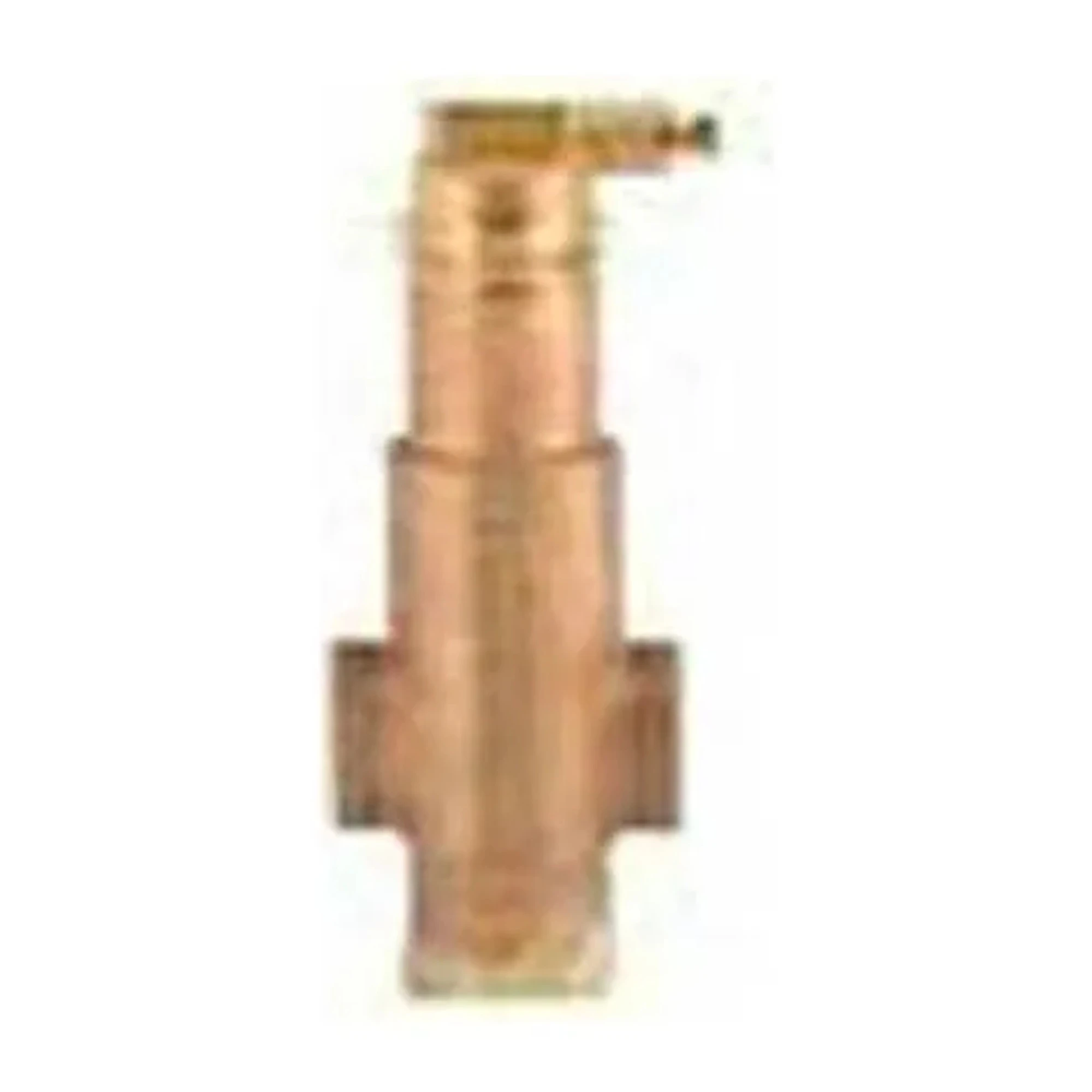


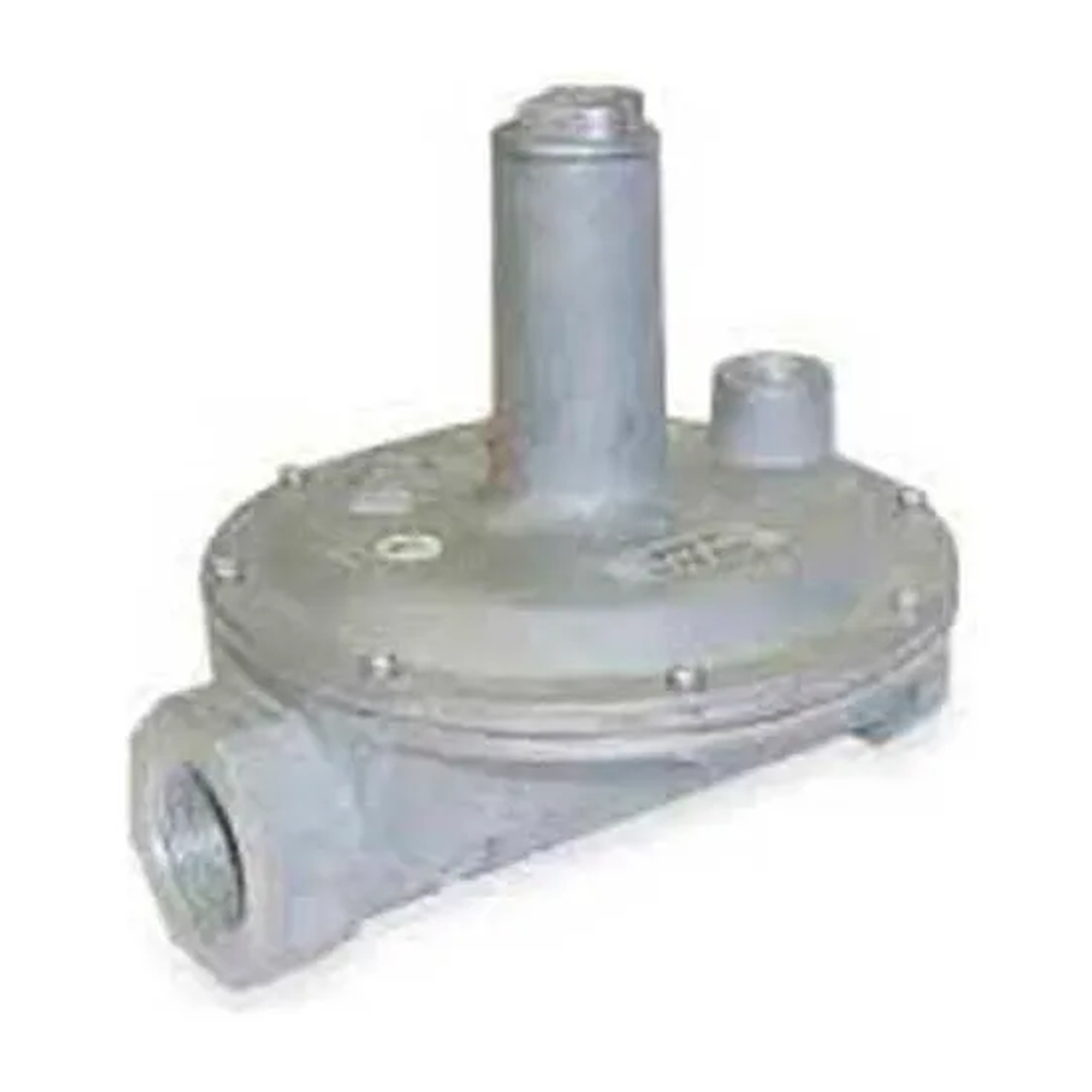


Climate Control & Air Quality: Find the Right Equipment for Your Space
Whether you're cooling a server room, filtering allergens from a workspace, heating a warehouse, or improving ventilation in a commercial building, this category covers the full range of climate control and air quality equipment. Use the subcategories below to find the right starting point for your project.
Choose your starting point
Popular examples in this category
 Fans, Blowers & Ventilation
 HVAC Controls, Parts & Service
What Climate Control & Air Quality Equipment Does
These products manage temperature, airflow, and air purity in residential, commercial, and industrial settings. Applications range from cooling server rooms and heating warehouses to filtering contaminants from manufacturing floors and controlling humidity in storage facilities.
How to Choose the Right Equipment
Start by identifying your primary need: temperature regulation, air movement, or air quality. Then consider your space size, existing infrastructure, power availability, and whether you need portable or permanently installed equipment. Matching capacity to square footage and load is critical for efficiency.
Where This Equipment Is Commonly Used
Common applications include office HVAC systems, industrial exhaust ventilation, cleanroom filtration, data center cooling, retail space heating, and residential air purification. Each environment has distinct requirements for capacity, filtration grade, noise level, and installation type.
Installation, Maintenance & Replacement Considerations
Many systems require periodic filter changes, belt inspections, or refrigerant checks. Stocking replacement parts and controls in advance reduces downtime. Always verify voltage compatibility and local code requirements before purchasing heating or cooling equipment for permanent installation.
Which Subcategory Fits Your Need?
Use this table to match your primary requirement to the right starting point.
| Need | Best Fit Subcategory | Why It Matters |
|---|---|---|
| Cool a room, building, or equipment enclosure | Air Conditioning & Cooling | Provides temperature reduction through refrigerant-based or evaporative systems sized by BTU or tonnage. |
| Remove dust, allergens, fumes, or humidity from the air | Air Quality & Filtration | Addresses airborne contaminants with filters, purifiers, and dehumidifiers rated for specific particle sizes and pollutant types. |
| Move air through a space or exhaust heat and fumes | Fans, Blowers & Ventilation | Improves airflow and air exchange without full HVAC infrastructure; suitable for spot cooling, exhaust, and circulation. |
| Warm a space during cold seasons or in cold climates | Heating Equipment | Covers unit heaters, radiant heaters, and other solutions sized by BTU output and fuel or power source. |
| Automate, monitor, or control an existing HVAC system | HVAC Controls | Thermostats, sensors, and controllers that improve efficiency and allow scheduling or remote management. |
| Maintain or repair existing climate control equipment | Parts & Service | Replacement components, filters, belts, and service items that extend equipment life and reduce downtime. |
Plan the right fit before choosing
Step 1: Define Your Climate Control Goal
Before selecting equipment, clearly identify whether your priority is temperature control, air movement, or air quality improvement. A space may need all three, but starting with the primary problem helps you size and budget correctly.
- Cooling or heating: Determine the BTU or tonnage needed based on square footage, insulation, and heat load.
- Ventilation: Calculate air changes per hour (ACH) required for the space type and occupancy level.
- Air quality: Identify contaminants (dust, fumes, allergens, moisture) to select the correct filtration or purification method.
Step 2: Assess Your Space and Infrastructure
Equipment performance depends heavily on the environment it operates in. Measure your space and evaluate existing infrastructure before purchasing.
- Room dimensions and ceiling height affect required equipment capacity.
- Check available power supply: voltage, phase, and amperage must match equipment specs.
- Determine whether ductwork, drainage, or mounting structures are already in place or need to be added.
Step 3: Plan for Ongoing Service and Parts
Climate control equipment requires regular maintenance to perform efficiently and last longer. Build a service plan into your purchasing decision.
- Identify filter replacement intervals and stock spare filters appropriate for your system.
- Review available HVAC controls and thermostats to automate scheduling and reduce energy use.
- Keep critical replacement parts on hand to minimize downtime during peak heating or cooling seasons.
This category is divided into six focused subcategories so you can navigate directly to the equipment type you need.
Cooling and heating capacity is measured in BTUs or tons; matching these figures to your space size is the most important selection step.
Air filters are rated on the MERV scale; higher ratings capture smaller particles but may restrict airflow in systems not designed for them.
Ventilation systems are sized by how many times per hour they replace the air in a space, a figure that varies by application and occupancy.
Common questions before buying
How do I know what size air conditioner or heater I need?
Capacity is primarily determined by the square footage of the space, ceiling height, insulation quality, and heat-generating equipment inside. A general rule is 20 BTUs per square foot for cooling, but industrial or high-heat environments require more detailed load calculations.
What is the difference between an air purifier and an air filter?
Air filters physically trap particles as air passes through them and are typically installed in HVAC systems or standalone units. Air purifiers may use additional technologies such as UV light or ionization to neutralize contaminants. The right choice depends on the type of pollutant you need to address.
Can I use a portable fan instead of a ventilation system?
Portable fans improve air circulation and can provide spot cooling, but they do not replace air or remove contaminants the way a ventilation system does. For spaces requiring code-compliant exhaust or a specific number of air changes per hour, a dedicated ventilation solution is necessary.
How often should HVAC filters be replaced?
Replacement frequency depends on the filter type, MERV rating, and how much particulate the system encounters. Standard filters in light-use environments may last 1 to 3 months, while high-efficiency filters in dusty or high-traffic spaces may need more frequent changes. Always follow the equipment manufacturer's guidelines.