
-
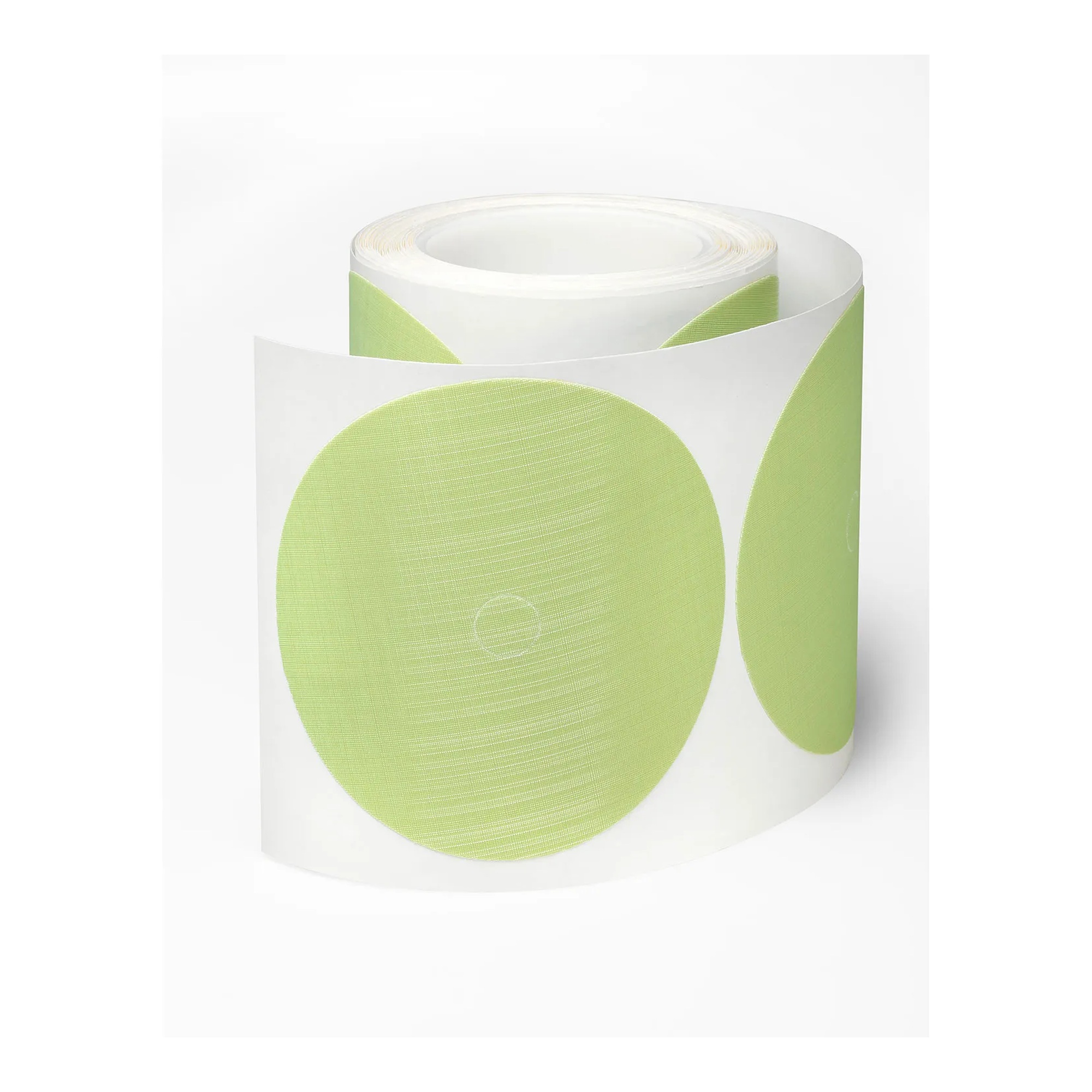
A35 Aluminum Oxide PSA Film Disc Roll, 5 in. x 5/8 in., 100 Discs
Our Price:$435.94This roll of pressure-sensitive adhesive film discs is for finishing professionals and shop users who need to level surfaces and address defects on glass, acrylic solid surfaces, and similar...
-
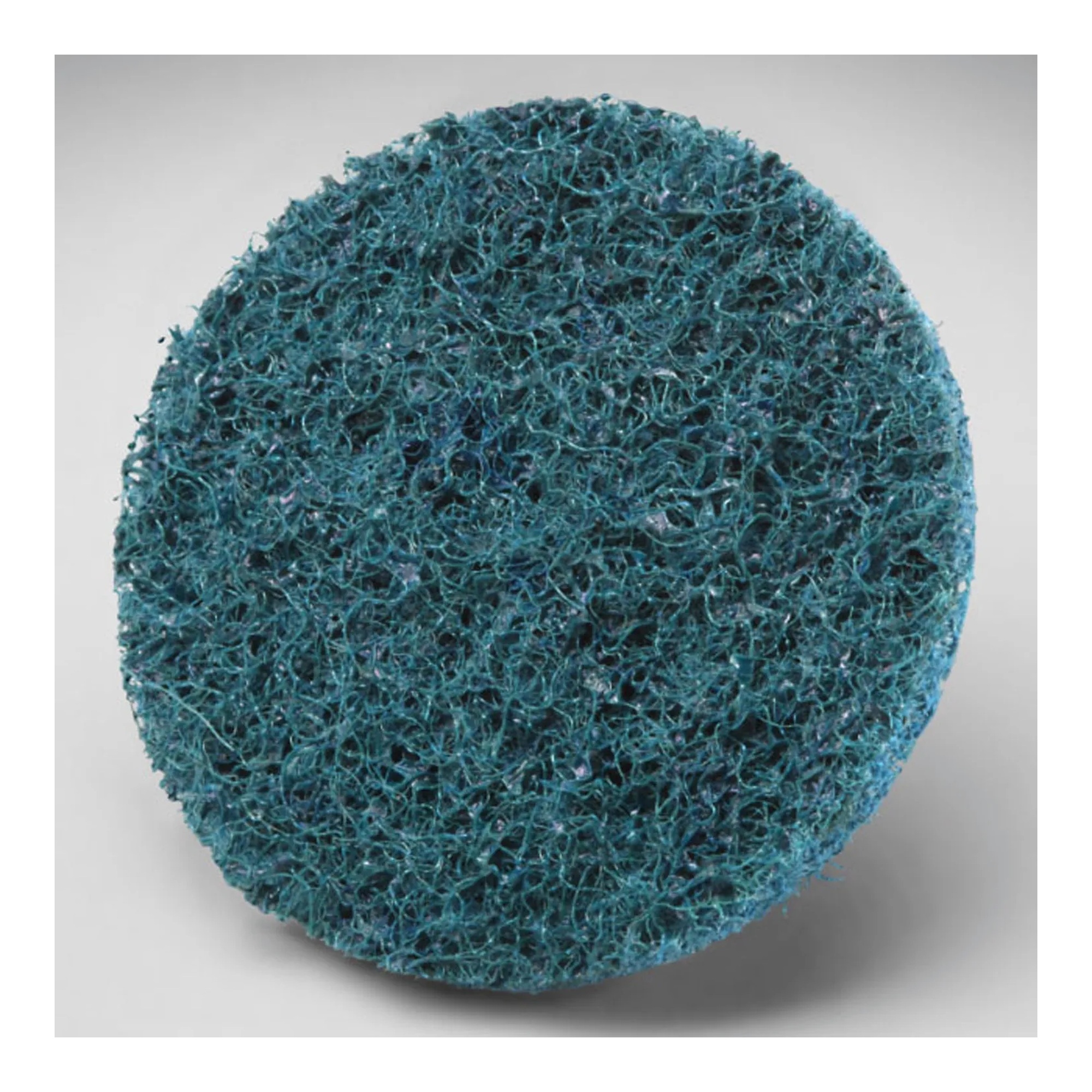
Medium-Grit Aluminum Oxide Quick-Change Surface Conditioning Disc, 1-1/2 in. Diameter
Our Price:$1.46This 1-1/2 in. quick-change surface conditioning disc is for maintenance and fabrication teams that need to blend, deburr, clean, contour, finish, or lightly grind workpieces. Its quick-change...
-
Surface Conditioning Quick-Change Disc, 1-1/2 in. Diameter, Very Fine Aluminum Oxide
Our Price:$1.25This surface conditioning quick-change disc is for commercial metalworking and finishing users who need to clean, blend, finish, and deburr work surfaces. Its conformable design helps it follow...

Quick Change Disc Buying Guide
Match the disc to the work you need to complete, then confirm the diameter, abrasive construction, grade, backing, and attachment design for your setup. The range includes compact quick-change discs for conditioning, blending, grinding, and stock removal, along with a pressure-sensitive adhesive film disc roll for specialized leveling and repair work.
Popular examples in this category
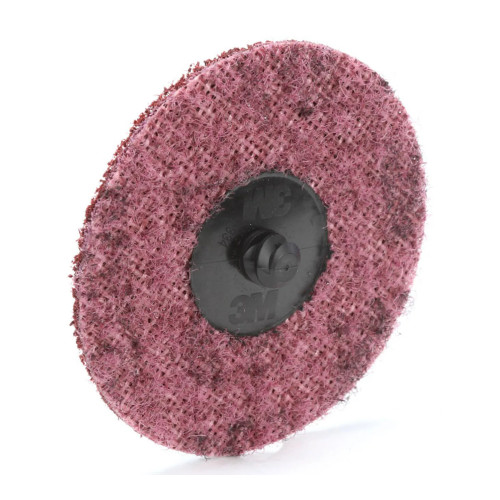 3-Inch Medium-Grit Aluminum Oxide Quick-Change Surface Conditioning DiscWBB297779
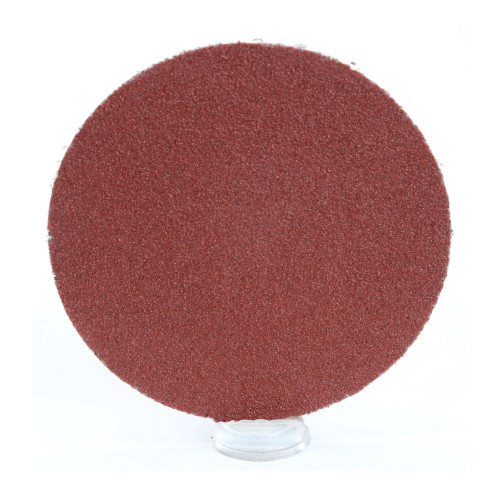 2-Inch TR Aluminum Oxide P120 Quick-Change DiscWBB296690
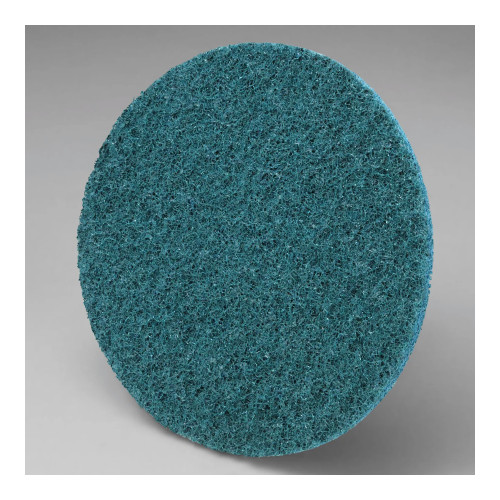 4-Inch Very Fine Quick-Change Surface Conditioning DiscWBB297780
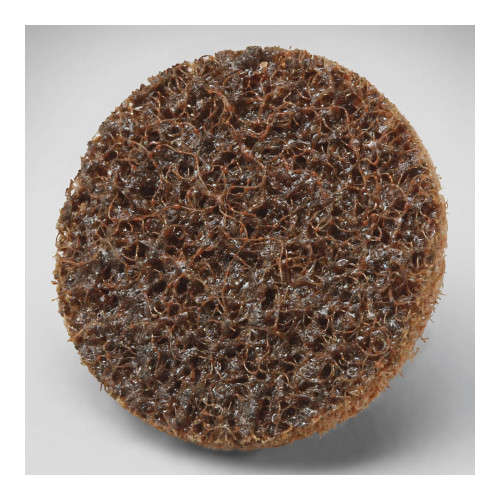 2-Inch Aluminum Oxide Coarse Quick-Change Surface Conditioning DiscWBB297948
Support work from deburring to refined finishing
Use surface conditioning discs to clean, blend, deburr, contour, and finish. Coated abrasive quick-change discs support grinding, edge beveling, weld removal, stock removal, and surface preparation. PSA film discs are represented for controlled leveling, defect repair, glass repair, and finishing acrylic solid-surface materials.
Start with the workpiece and finishing step
Choose coarse or 80-grit options for material removal, deburring, and grinding; medium grades for controlled blending and preparation; and very fine surface conditioning discs for refined finishing. Consider P100 or P120 grades where those defined abrasive grades fit the required surface-finishing work.
Consider material and operating conditions
Aluminum oxide options are represented for surface conditioning, metalwork, and heavy wood stock removal. Ceramic and ceramic-aluminum oxide options support stock removal and finishing, including wet or dry use for products with water-resistant polyester backing. Grinding aids can help reduce grinding temperatures on heat-sensitive alloys.
Confirm size, backing, and connection
Available disc diameters represented include 1-1/2, 2, 3, and 4 inches. Non-woven open-web discs conform to irregular or contoured surfaces and help resist loading. For attachment, verify the required quick-change design and compatible disc pad; TR designs require a compatible TR attachment system.
Options include 1-1/2-, 2-, 3-, and 4-inch discs.
The range includes coarse, medium, and very fine surface-conditioning choices.
These grades are represented among coated abrasive quick-change discs.
Selected water-resistant polyester-backed discs support wet or dry use.
Compare the represented disc types
Use this overview to narrow the abrasive format that best fits the application described in the product summaries.
| Disc type | Best represented uses | Key selection considerations |
|---|---|---|
| Non-woven surface conditioning quick-change discs | Cleaning, blending, deburring, contour finishing, light grinding, and refined finishing | Compare diameter and coarse, medium, or very fine grade; open-web construction helps resist loading and conforms to contours. |
| Coated abrasive quick-change discs | Grinding, stock removal, weld removal, edge beveling, surface preparation, and finishing | Compare abrasive type, 80, P100, or P120 grade, backing, wet or dry suitability where stated, and attachment design. |
| PSA film disc roll | Controlled surface leveling, defect repair, glass repair, acrylic solid-surface finishing, and orbital sanding | Compare the pressure-sensitive adhesive film format with the intended application; the represented roll contains 100 discs. |
Plan the right fit before choosing
Select surface conditioning or coated abrasive discs based on the task
Surface conditioning discs use non-woven or open-web fiber construction for cleaning, blending, deburring, contour finishing, and consistent results on irregular surfaces. Their open-web designs help limit clogging or resist loading, while cool-running characteristics help reduce the risk of discoloration and warping. Coated abrasive discs use aluminum oxide, ceramic-aluminum oxide, or ceramic blend abrasives for applications such as grinding, stock removal, weld removal, beveling, and finishing.
- Choose non-woven conditioning discs for conformability on contours and irregular workpieces.
- Choose cloth-backed discs for durable, flexible metalwork and heavy wood stock removal.
- Choose water-resistant polyester-backed ceramic options for represented wet or dry applications.
- Use PSA film discs for the specialized surface leveling and defect-repair applications represented.
Balance access, material removal, and finish needs
Compact 1-1/2-inch and 2-inch discs are represented for detailed or controlled work, while 3-inch and 4-inch discs provide additional surface coverage within compatible quick-change setups. Coarse and 80-grit choices are represented for more aggressive deburring, grinding, and material removal. Medium grades support controlled preparation, blending, and finishing, while very fine discs help produce a refined finish.
- Compare 1-1/2, 2, 3, and 4 inch diameters with the compatible setup and area being worked.
- Use coarse conditioning action when aggressive deburring is needed while preserving the base material.
- Use medium grit for controlled blending, surface preparation, and finishing.
- Use very fine conditioning discs for cleaning, blending, deburring, and refined finishing.
Plan for efficient disc changes and the work conditions
Quick-change attachments are intended to make disc swaps easier during multi-step finishing processes. Confirm that the disc connection matches the compatible pad or attachment system before selecting. Certain coated abrasive discs include heat-resistant resin bonds to help maintain abrasive-to-backing bond stability under high heat or pressure, while selected ceramic options include a grinding aid to help lower grinding temperatures on heat-sensitive alloys.
- Check the required quick-change connection before ordering.
- For TR discs, verify compatibility with the applicable attachment design.
- Consider heat-resistant resin bond when high heat or pressure is part of the application.
- Consider grinding-aid ceramic options for represented work on heat-sensitive alloys.
Common questions before buying
What are quick change discs used for?
They are represented for blending, deburring, cleaning, contour finishing, grinding, weld removal, edge beveling, stock removal, and surface preparation before painting.
Which discs work on irregular or contoured surfaces?
The represented non-woven surface conditioning discs conform to irregular and contoured surfaces while helping preserve their shape.
What disc grades are represented?
Surface-conditioning options include coarse, medium, and very fine grades. Coated abrasive options include 80 grit, P100, and P120.
How do I confirm attachment compatibility?
Match the quick-change connection to a compatible disc pad or attachment system. TR attachment designs require a compatible TR system.
Quick Change Disc Buying Guide
Match the disc to the work you need to complete, then confirm the diameter, abrasive construction, grade, backing, and attachment design for your setup. The range includes compact quick-change discs for conditioning, blending, grinding, and stock removal, along with a pressure-sensitive adhesive film disc roll for specialized leveling and repair work.
Popular examples in this category
Support work from deburring to refined finishing
Use surface conditioning discs to clean, blend, deburr, contour, and finish. Coated abrasive quick-change discs support grinding, edge beveling, weld removal, stock removal, and surface preparation. PSA film discs are represented for controlled leveling, defect repair, glass repair, and finishing acrylic solid-surface materials.
Start with the workpiece and finishing step
Choose coarse or 80-grit options for material removal, deburring, and grinding; medium grades for controlled blending and preparation; and very fine surface conditioning discs for refined finishing. Consider P100 or P120 grades where those defined abrasive grades fit the required surface-finishing work.
Consider material and operating conditions
Aluminum oxide options are represented for surface conditioning, metalwork, and heavy wood stock removal. Ceramic and ceramic-aluminum oxide options support stock removal and finishing, including wet or dry use for products with water-resistant polyester backing. Grinding aids can help reduce grinding temperatures on heat-sensitive alloys.
Confirm size, backing, and connection
Available disc diameters represented include 1-1/2, 2, 3, and 4 inches. Non-woven open-web discs conform to irregular or contoured surfaces and help resist loading. For attachment, verify the required quick-change design and compatible disc pad; TR designs require a compatible TR attachment system.
Options include 1-1/2-, 2-, 3-, and 4-inch discs.
The range includes coarse, medium, and very fine surface-conditioning choices.
These grades are represented among coated abrasive quick-change discs.
Selected water-resistant polyester-backed discs support wet or dry use.
Compare the represented disc types
Use this overview to narrow the abrasive format that best fits the application described in the product summaries.
| Disc type | Best represented uses | Key selection considerations |
|---|---|---|
| Non-woven surface conditioning quick-change discs | Cleaning, blending, deburring, contour finishing, light grinding, and refined finishing | Compare diameter and coarse, medium, or very fine grade; open-web construction helps resist loading and conforms to contours. |
| Coated abrasive quick-change discs | Grinding, stock removal, weld removal, edge beveling, surface preparation, and finishing | Compare abrasive type, 80, P100, or P120 grade, backing, wet or dry suitability where stated, and attachment design. |
| PSA film disc roll | Controlled surface leveling, defect repair, glass repair, acrylic solid-surface finishing, and orbital sanding | Compare the pressure-sensitive adhesive film format with the intended application; the represented roll contains 100 discs. |
Plan the right fit before choosing
Select surface conditioning or coated abrasive discs based on the task
Surface conditioning discs use non-woven or open-web fiber construction for cleaning, blending, deburring, contour finishing, and consistent results on irregular surfaces. Their open-web designs help limit clogging or resist loading, while cool-running characteristics help reduce the risk of discoloration and warping. Coated abrasive discs use aluminum oxide, ceramic-aluminum oxide, or ceramic blend abrasives for applications such as grinding, stock removal, weld removal, beveling, and finishing.
- Choose non-woven conditioning discs for conformability on contours and irregular workpieces.
- Choose cloth-backed discs for durable, flexible metalwork and heavy wood stock removal.
- Choose water-resistant polyester-backed ceramic options for represented wet or dry applications.
- Use PSA film discs for the specialized surface leveling and defect-repair applications represented.
Balance access, material removal, and finish needs
Compact 1-1/2-inch and 2-inch discs are represented for detailed or controlled work, while 3-inch and 4-inch discs provide additional surface coverage within compatible quick-change setups. Coarse and 80-grit choices are represented for more aggressive deburring, grinding, and material removal. Medium grades support controlled preparation, blending, and finishing, while very fine discs help produce a refined finish.
- Compare 1-1/2, 2, 3, and 4 inch diameters with the compatible setup and area being worked.
- Use coarse conditioning action when aggressive deburring is needed while preserving the base material.
- Use medium grit for controlled blending, surface preparation, and finishing.
- Use very fine conditioning discs for cleaning, blending, deburring, and refined finishing.
Plan for efficient disc changes and the work conditions
Quick-change attachments are intended to make disc swaps easier during multi-step finishing processes. Confirm that the disc connection matches the compatible pad or attachment system before selecting. Certain coated abrasive discs include heat-resistant resin bonds to help maintain abrasive-to-backing bond stability under high heat or pressure, while selected ceramic options include a grinding aid to help lower grinding temperatures on heat-sensitive alloys.
- Check the required quick-change connection before ordering.
- For TR discs, verify compatibility with the applicable attachment design.
- Consider heat-resistant resin bond when high heat or pressure is part of the application.
- Consider grinding-aid ceramic options for represented work on heat-sensitive alloys.
Common questions before buying
What are quick change discs used for?
They are represented for blending, deburring, cleaning, contour finishing, grinding, weld removal, edge beveling, stock removal, and surface preparation before painting.
Which discs work on irregular or contoured surfaces?
The represented non-woven surface conditioning discs conform to irregular and contoured surfaces while helping preserve their shape.
What disc grades are represented?
Surface-conditioning options include coarse, medium, and very fine grades. Coated abrasive options include 80 grit, P100, and P120.
How do I confirm attachment compatibility?
Match the quick-change connection to a compatible disc pad or attachment system. TR attachment designs require a compatible TR system.