
-
1-1/2 in. x 9 in. 150-Grit Sanding Sleeves, 4-Pack
Our Price:$29.94These 150-grit sanding sleeves are replacement abrasives for shop users operating a compatible oscillating spindle sander. They provide the abrasive sleeve needed to keep the sander ready for sanding...
-
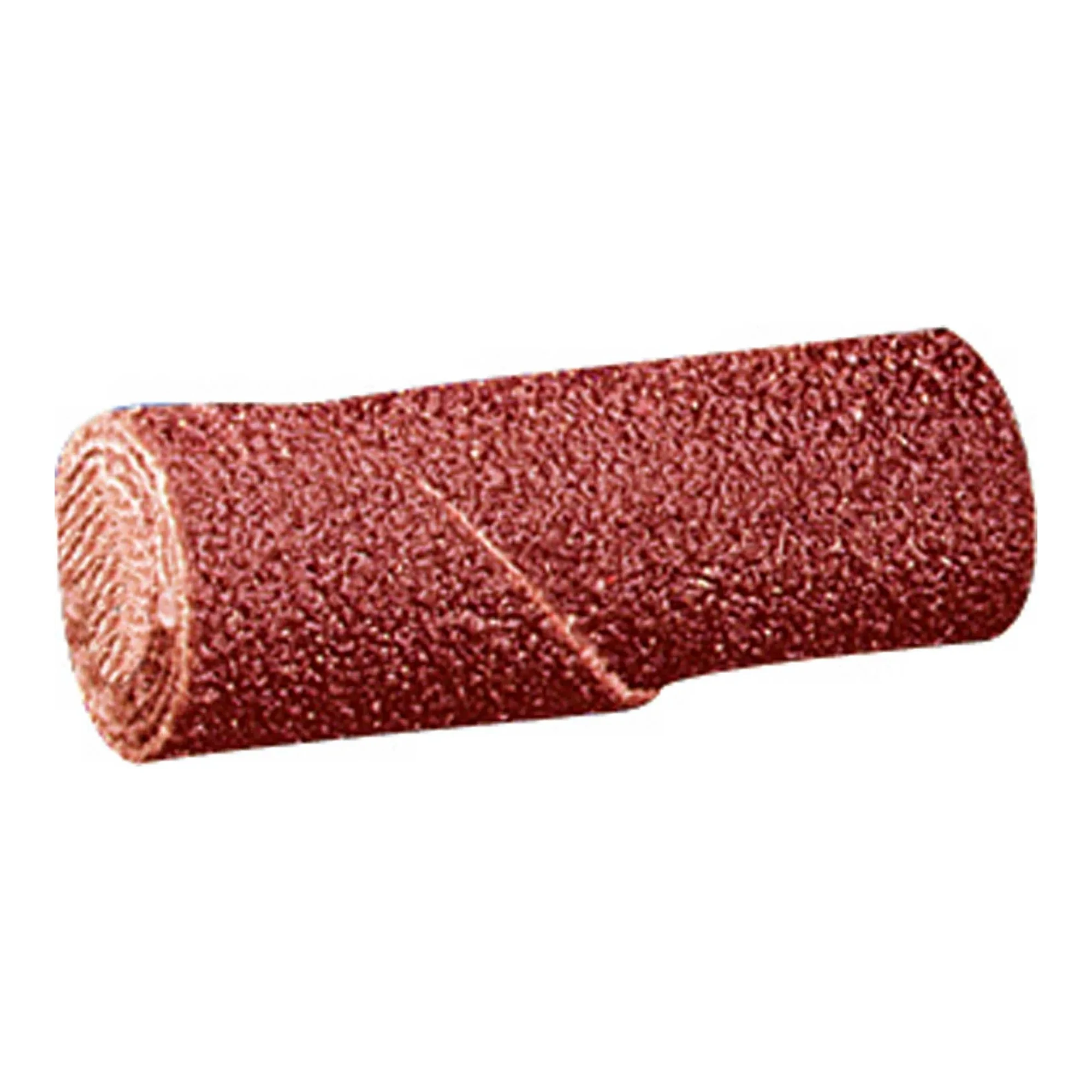
120 Grit Aluminum Oxide Cartridge Roll, 1/4 in. x 1 in.
Our Price:$36.99This straight aluminum oxide cartridge roll is designed for shop professionals who need a compact abrasive for sanding and finishing work. Its fine 120-grit surface provides an option for controlled...
-
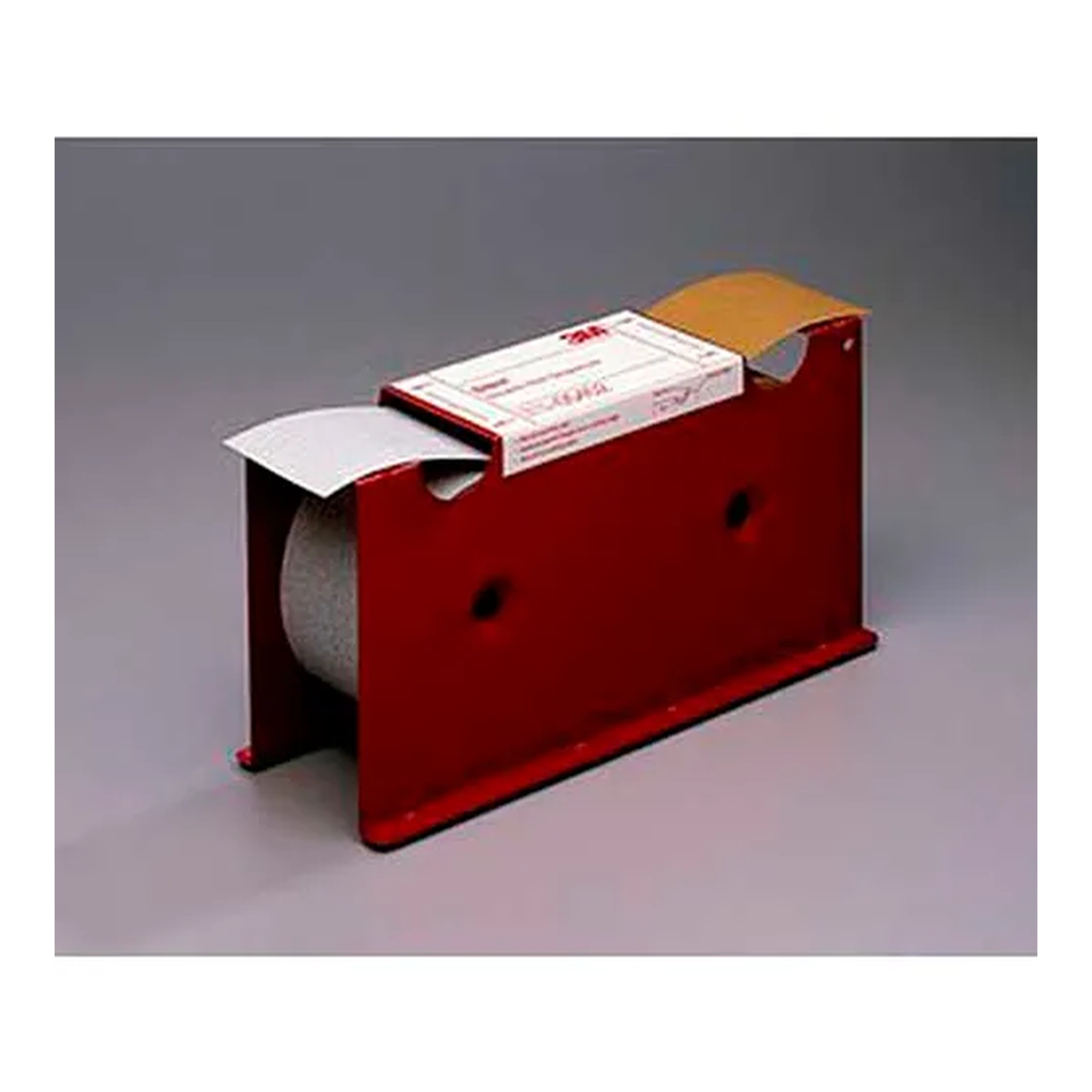
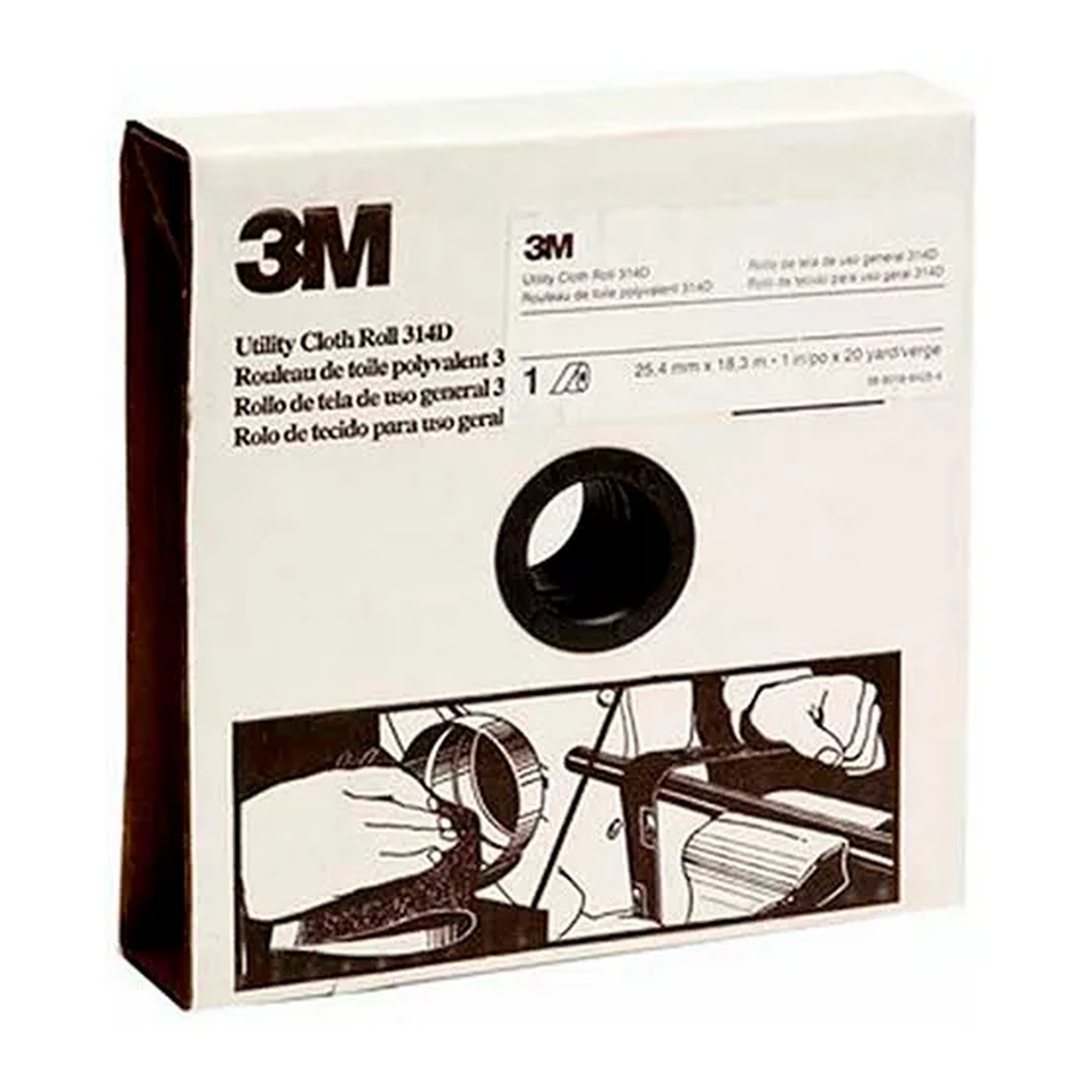
240 Grit Aluminum Oxide Utility Cloth Roll, 2 in. x 50 yd.
Our Price:$145.94This utility cloth abrasive roll is for maintenance, woodworking, and metalworking professionals who need cut-to-length sanding strips for surface preparation and finishing. Tear off the amount...
-
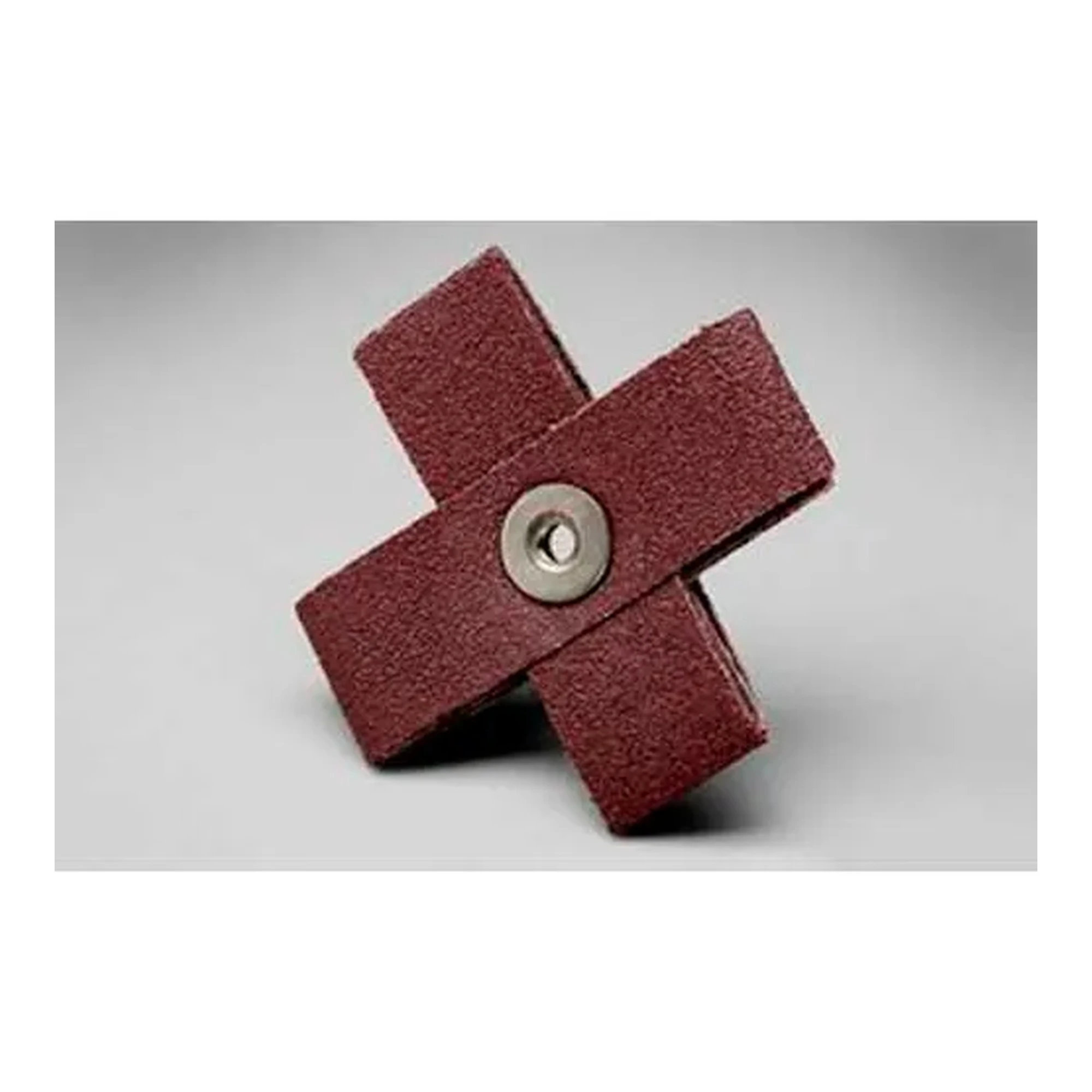
3 in. x 3 in. x 1 in. 60 Grit Aluminum Oxide Cross Pad
Our Price:$7.49This 60 grit aluminum oxide cross pad is for industrial users who need to grind, polish, or deburr inside channels, holes, tubing, and small-radius areas. Its flexible cross shape conforms to...
-
5/16 in. Aluminum Oxide Cartridge Roll, 60 Grit
Our Price:$52.99This straight cartridge roll is a coated abrasive for commercial users who need to sand and finish work surfaces. Its compact profile supports controlled abrasive work in smaller areas.The roll uses...
-
60 Grit Aluminum Oxide Cross Pad, 1-1/2 in. x 1-1/2 in. x 1/2 in.
Our Price:$3.09This 60 grit cross pad is an abrasive accessory for metalworking and woodworking professionals who need to grind, polish, or deburr interior surfaces. Its flexible cross shape helps it follow the...
-
60 Grit Aluminum Oxide Cross Pad, 2-1/2 in. x 2-1/2 in. x 3/4 in.
Our Price:$4.68This 60-grit cross pad is an abrasive accessory for metalworking and woodworking professionals who need to grind, polish, or deburr inside holes, channels, tubing, and small-radius contours. Its...
-
80 Grit Aluminum Oxide Cartridge Roll, 1/4 in. x 1 in. x 1/8 in.
Our Price:$61.99This 80 grit aluminum oxide cartridge roll is a compact abrasive for metalworking professionals and maintenance teams. It is designed for sanding, polishing, deburring, and flash removal in channels,...
-
80 Grit Aluminum Oxide Cartridge Roll, 3/8 in. x 1 in. x 1/8 in.
Our Price:$65.99This 80-grit aluminum oxide cartridge roll is an abrasive accessory for shop users who need to sand, polish, deburr, or remove flash in confined areas. Its compact profile is suited to channels,...
-
80 Grit Ceramic Cross Pad, 1-1/2 in. x 1-1/2 in. x 1/2 in.
Our Price:$3.60This 80 grit ceramic cross pad is an abrasive accessory for metalworking professionals who need to finish internal diameters, small radii, channels, and tubing. Its flexible cross shape helps reach...
-
80-Grit Silicon Carbide PSA Sanding Roll, 4-1/2 in. x 10 yd
Our Price:$42.94This 80-grit silicon carbide sanding roll is for woodworkers, cabinetmakers, and finishing professionals who need an abrasive supply for sanding, blending, surface leveling, and finish preparation...
-
Aluminum Oxide Cartridge Roll, 1/2 in. x 1-1/2 in., 80 Grit
Our Price:$74.99This aluminum oxide cartridge roll is an abrasive accessory for shop professionals who need to sand and finish surfaces in confined areas. Its straight profile helps users reach into openings and...
-
Aluminum Oxide Cartridge Roll, 1/2 in. x 2 in., 60 Grit
Our Price:$87.99This straight aluminum oxide cartridge roll is for operators who need a compact abrasive for sanding and finishing tasks. Its cylindrical format provides an abrasive option for detailed work where a...
-
Aluminum Oxide Cloth Abrasive Roll, 4 in. x 50 yd., 80 Grit
Our Price:$299.94This 80-grit aluminum oxide cloth abrasive roll is for industrial metalworking and woodworking professionals who need an abrasive for stock removal. Its 4-inch width and continuous roll format...
-
Aluminum Oxide Full-Taper Cartridge Roll, 3/8 in. Diameter x 1-1/2 in. Length, 80 Grit
Our Price:$82.99This aluminum oxide cartridge roll is an abrasive accessory for shop and maintenance users who need to sand and refine small areas. Its full-taper shape helps support controlled finishing work in...
-
Aluminum Oxide Utility Cloth Abrasive Roll, 2 in. x 50 yd., 100 Grit
Our Price:$145.94This 100-grit aluminum oxide utility cloth roll is for industrial maintenance, woodworking, and metalworking users who need an abrasive strip for sanding, cleaning, deburring, rust removal, and...
-
Aluminum Oxide Utility Cloth Roll, 2 in. x 50 yd, 220 Grit
Our Price:$145.94This 220-grit aluminum oxide utility cloth roll is for industrial professionals who need flexible abrasive strips for sanding, cleaning, contour finishing, deburring, and rust removal. Tear off the...
-
Aluminum Oxide Utility Cloth Roll, P120 Grit, 1-1/2 in. x 20 yd
Our Price:$62.94This P120 aluminum oxide utility cloth roll is for industrial professionals who need a flexible abrasive strip for sanding, blending, cleaning, contour finishing, deburring, and rust removal. Users...
-
Aluminum Oxide Utility Cloth Sanding Roll, 2 in. x 50 yd., 150 Grit
Our Price:$145.94This 150-grit aluminum oxide utility cloth sanding roll is for industrial professionals who need cut-to-length abrasive strips for sanding and surface-preparation work. Tear off the amount needed to...
-
Aluminum Oxide Utility Cloth Sanding Roll, P50 Grit, 1 in. x 50 yd.
Our Price:$62.94This utility cloth sanding roll is designed for metalworking and maintenance professionals who need to cut custom-length abrasive strips for coarse sanding and surface preparation. Its tear-to-length...







Choose abrasive rolls for the surface, shape, and task
This category includes compact cartridge rolls for focused work in small areas, flexible utility cloth rolls for hand-cut strips, and specialty sanding and finishing rolls for surface preparation. Compare abrasive material, grit, backing, roll dimensions, profile, and attachment method against the workpiece and application.
Popular examples in this category
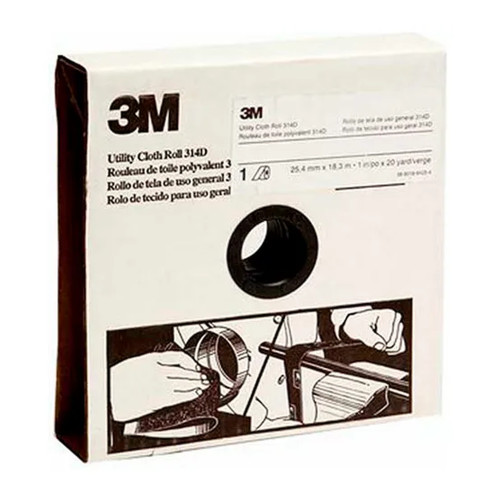 Utility Cloth Sanding Roll, 1 in. x 50 yd, P320 Aluminum OxideWBB0136251
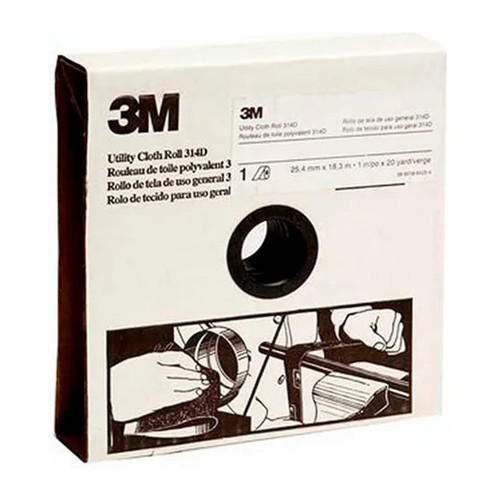 Utility Cloth Abrasive Roll, 1 in. x 20 yd, Aluminum Oxide, P150 GritWBB0136253
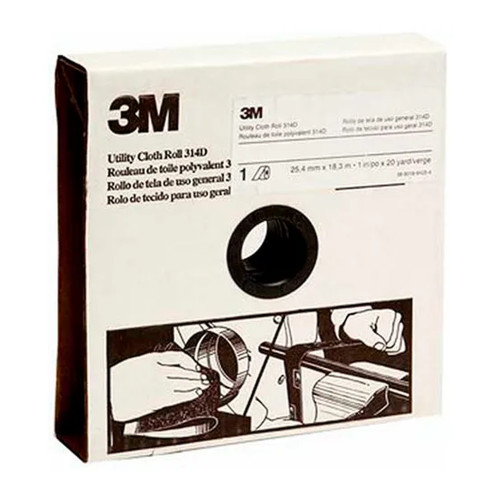 P320 Aluminum Oxide Utility Cloth Roll, 1-1/2 in. x 20 yd.WBB0136274
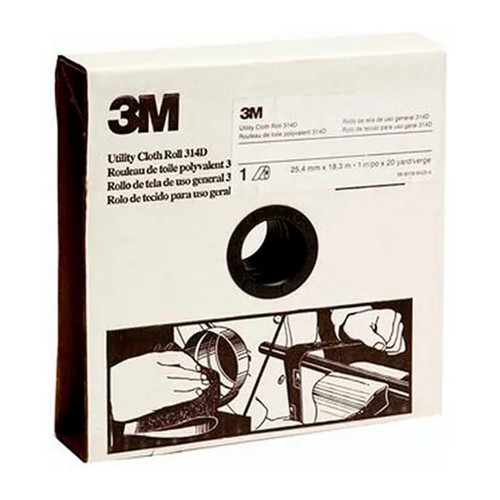 P400 Aluminum Oxide Utility Cloth Roll, 1-1/2 in. x 20 ydWBB0136279
Handle sanding and detail finishing
Use the available abrasive products for sanding, cleaning, blending, deburring, rust removal, polishing, finish preparation, and surface conditioning.
Match grit, abrasive, and format
Select the grit for the task, then compare aluminum oxide or silicon carbide, flexible cloth or non-woven construction, and cut-to-length, PSA, or compact cartridge-roll formats.
Reach flat, contoured, and internal surfaces
Flexible rolls conform to edges, angles, and contours, while compact cartridge rolls and cross pads support work in channels, holes, tubing, fillets, recesses, and small-radius areas.
Check dimensions and compatibility
Compare roll width and length, cartridge-roll diameter and center-hole size, backing type, and whether the product is intended for hand use, compatible pads, mandrels, or rotary tools.
Available aluminum oxide grit options span 60 through 400.
Choose from aluminum oxide and silicon carbide products.
Flexible utility cloth rolls are represented in 1-, 1-1/2-, and 2-inch widths.
Cartridge rolls are available in 80 grit for small-area finishing work.
Compare the available abrasive formats
Use the product form and backing to narrow the selection for the access, surface shape, and intended task.
| Product type | Best-suited tasks | Key selection details |
|---|---|---|
| Utility cloth abrasive rolls | Sanding, cleaning, blending, deburring, rust removal, and contour finishing | Tear-to-length aluminum oxide strips with flexible cloth backing; available in multiple widths, lengths, and grit options. |
| Compact cartridge rolls | Sanding, polishing, deburring, and flash removal in channels, fillets, recesses, side walls, and dead-end holes | 80-grit aluminum oxide compact forms; compare straight or full-taper profile, diameter, center-hole size, and package quantity. |
| Specialty sanding and finishing rolls | Surface leveling, finish preparation, buffing, polishing, fine finishing, and surface conditioning | Compare silicon carbide or aluminum oxide, PSA, screen cloth, non-woven web, wet or dry use, and compatible tool or pad requirements. |
Plan the right fit before choosing
Identify the surface and finishing objective
For general sanding, cleaning, contour finishing, deburring, and rust removal, utility cloth abrasive rolls offer tear-to-length flexibility. For buffing, polishing, and finishing, silicon carbide cloth rolls are available. A non-woven clean and finish roll supports cleaning, blending, polishing, fine finishing, and low-pressure paint-preparation work.
- Choose a flexible cloth roll for curved edges, angles, and contours.
- Choose a compact cartridge roll for focused sanding, polishing, deburring, or flash removal in small areas.
- Choose a cross pad for inside-diameter work in channels, holes, tubing, and small-radius areas.
Match the abrasive surface to the job
Aluminum oxide options are represented in 60, 80, 100, 150, 220, 320, and 400 grit products. Silicon carbide options include 80-grit sanding and cloth rolls plus a VFN clean and finish roll. Available products support work across metal, wood, plastic, and, for selected utility cloth rolls, ferrous and non-ferrous metals.
- 100-grit aluminum oxide is described with a fast cut rate and long service life.
- 220, 320, and 400 grit aluminum oxide options support finer or controlled surface-finishing work.
- 80-grit silicon carbide is offered for sanding, surface leveling, bare wood sanding, buffing, polishing, and finishing.
- VFN silicon carbide supports fine finishing and low-pressure applications.
Choose a roll or accessory that fits the access requirements
Cut-to-length and tear-to-length rolls allow users to prepare only the strip or piece needed. Utility cloth rolls are offered in widths from 1 to 2 inches, while broader abrasive rolls include 39-inch and 48-inch widths. Compact cartridge rolls include narrow diameters and specified center holes, and the cross pad uses a threaded-mandrel attachment for a compatible rotary tool.
- PSA-backed sanding roll attaches to compatible pads for quick attachment and changeout.
- The non-woven clean and finish roll can be used by hand or with a hand pad holder, inline sander, or oscillating sander.
- A silicon carbide cloth roll supports wet or dry use.
- The 5/16-inch cartridge roll has a 1/8-inch center hole and is supplied in a 100-piece package.
Common questions before buying
What are cartridge rolls used for?
Cartridge rolls are used for sanding, polishing, deburring, and flash removal, including work in channels, fillets, recesses, side walls, and dead-end holes.
What is the difference between utility cloth rolls and cartridge rolls?
Utility cloth rolls are tear-to-length flexible abrasive strips for broader hand sanding and contour work. Cartridge rolls are compact abrasive forms for focused work in smaller or harder-to-reach areas.
Which abrasive materials are available?
The products represented include aluminum oxide and silicon carbide abrasives.
Can these products be used on more than metal?
Selected utility cloth and finishing rolls support work on wood, plastic, and metal. Some utility cloth rolls specifically list ferrous and non-ferrous metals.
Choosing the right file folders
FilingSupplies.com carries end-tab folders for open-shelf systems, top-tab folders for drawer filing, and heavy-duty classification folders with dividers and fasteners for multi-section records. Pick letter or legal size, then choose material (11-pt, 14-pt, or 18-pt manila), optional reinforced tabs, color-coding, and expansion capacity to match your volume.
Folder FAQs
End-tab vs. top-tab — what’s the difference?
When should I choose classification folders?
Letter or legal size — how do I pick?
What tab and material options are available?
Can I add fasteners, pockets, or expansion?
Do you offer volume pricing or custom printing?
Outfitting classrooms that work all day
Build a durable, age-appropriate classroom with furniture, early-learning materials, storage bins, learning centers, and presentation tools. Choose adjustable pieces that grow with grades, label friendly bins for quick clean-up, and tech carts that secure, charge, and move easily.
Education FAQs
What safety labels should I look for on school and early-childhood items?
How do I pick classroom furniture across grade levels?
What’s the best way to organize supplies and centers?
How do I choose learning games and manipulatives by age?
What should I consider in a charging/tech cart?
Do you support school POs, bulk pricing, or custom printing?
Choosing the right labels
From color file labels to printable sheets, select the right size, adhesive, and print method to match your filing system and equipment. Decide on sheet vs. roll format, then pick permanent or removable adhesive and your color set.
Labels FAQs
Sheet vs. roll labels — what’s the difference?
Permanent or removable adhesive?
Will these labels work in my printer?
How do I match the label size to folder tabs or binder spines?
Can I get preprinted sequences or color bars?
Do you have templates?
Choosing the right tab dividers
Organize binders with preprinted or blank tabs. Select the number of tabs per set (5, 8, 10, or 12), choose paper with reinforced tabs or durable poly, and match letter or legal size for a clean fit.
Tab Dividers FAQs
What do 5-, 8-, 10-, or 12-tab sets mean?
Paper vs. poly — which should I choose?
Are the tabs printable?
Will they fit my binder?
Can I mix preprinted and blank tabs?
Do you make custom tab sets?
Choosing the right office supplies
From everyday paper and pens to binders, mailers, and desk organizers, pick durable, compatible options that match your equipment and team size. Start with the right paper and labeling, then add organizers that keep work moving.
Office Supplies FAQs
Which paper weight and brightness should I choose?
Round-ring vs. D-ring binders — what’s the difference?
What does “sheet capacity” mean on staplers and hole punches?
Will labels, envelopes, and mailers work with my printer?
How do I choose mailers and shipping boxes?
Do you offer eco-conscious options or bulk pricing?
Choosing the right sports & PE equipment
Equip classes, teams, and rec programs with durable balls, goals, cones, pinnies, storage, and safety gear. Match sizes and materials to age group and whether you play indoors or outdoors.
Sports & Athletics FAQs
What ball sizes should I choose for different ages?
- Basketball: Size 5 (27.5") youth, Size 6 (28.5") intermediate, Size 7 (29.5") official.
- Soccer: Size 3 up to ~8 years, Size 4 ~8–12, Size 5 ~12+.
- Volleyball: Regulation balls for teens/adults; lighter training balls for younger players.
Indoor vs. outdoor — which materials hold up best?
How many pinnies, cones, or markers do I need?
Tips for storage and care?
Are items latex‑free and school‑safe?
Do you support bulk orders or custom printing (team names)?
Choosing the right FireKing fireproof cabinet
FireKing fireproof file cabinets, safes, and storage cabinets are designed to protect important documents, records, and valuables from fire damage while keeping files organized and accessible. When choosing a FireKing cabinet, compare drawer configuration, storage type, fire rating, and overall capacity based on the records or materials you need to protect.
FireKing FAQs
What is the difference between FireKing vertical and lateral file cabinets?
What can I store in a FireKing fireproof file cabinet?
Are FireKing cabinets only for paper records?
How do I choose between a FireKing safe, file cabinet, or storage cabinet?
What sizes are available in FireKing cabinets?
Are FireKing cabinets used in offices, medical facilities, and government records storage?
Can I buy FireKing cabinets in bulk or get help choosing the right model?
Shipping & Policies
Do you offer free shipping?
What are your shipping rates?
- $6.95 for labels-only orders under $40
- $14.95 flat rate for everything else