
-
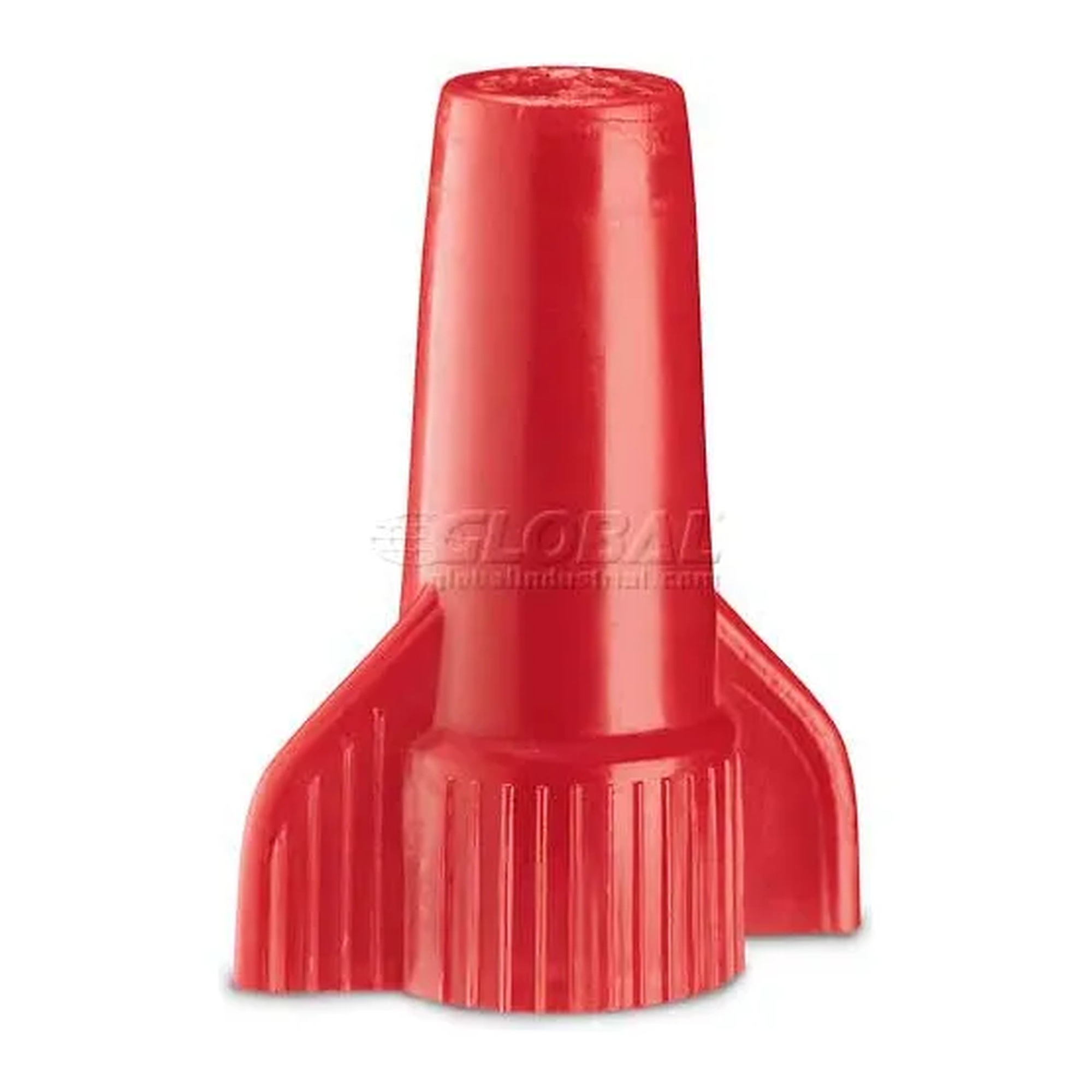
Red Wing-Type Wire Connectors, 325-Pack
Our Price:$26.94These red wing-type wire connectors are designed for electricians and electrical maintenance teams making copper-to-copper splices. Their winged shape helps users grip and twist connectors onto wire...
-
Red Winged Wire Connectors, 500-Pack
Our Price:$53.94These red winged wire connectors are designed for electricians and maintenance professionals making copper-to-copper wire splices. Their winged shape helps users grip and twist the connector during...
-
Tan Hex-Head Copper Wire Connectors, 400-Pack
Our Price:$44.94These tan wire connectors help electricians and maintenance professionals join copper conductors in everyday wiring work. Their hex-head design supports secure copper-to-copper connections while...
-
Tan Hex-Head Copper Wire Connectors, 500-Pack
Our Price:$40.94These tan wire connectors are for electricians and maintenance teams joining copper conductors in building wiring, lighting fixtures, luminaires, and signs. Their hex-head design provides a compact...
-
Yellow 12-10 AWG Butt Splice Wire Connectors, 15-Pack
Our Price:$3.41These yellow butt splice wire connectors are for electrical installers and maintenance professionals making crimped wire connections for 12-10 AWG wire. The 15-pack provides connectors for joining...
-
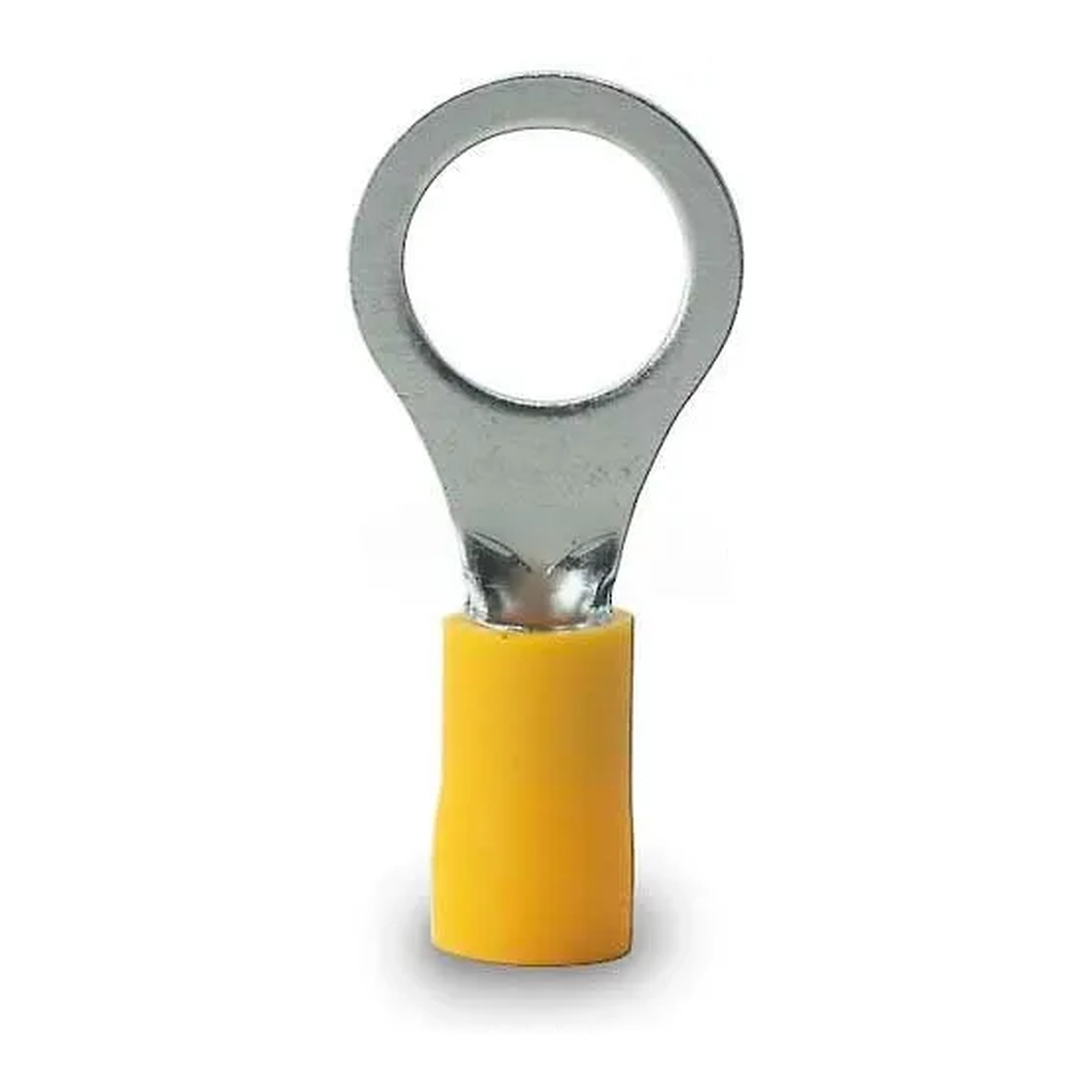
Yellow Ring Terminals for 12-10 AWG Wire, 5/16-3/8 in. Stud, 15-Pack
Our Price:$4.04These yellow ring terminals provide crimp-type wire connections for electrical professionals and maintenance teams working with 12-10 AWG wire. Their ring design is intended to connect wire to...
-
Yellow Twist-On Wire Connectors, 500-Pack
Our Price:$24.49These yellow twist-on wire connectors are for electricians and electrical maintenance teams making copper-to-copper wire connections. The 500-pack supports stocking for installation, repair, and...
-
Yellow Wing-Type Wire Connectors, 500-Pack
Our Price:$30.94These yellow wing-type wire connectors are for electricians and electrical maintenance professionals making copper-to-copper wire splices. The 500-pack provides connectors for joining conductors...




Wire Connector Buying Guide
Choose wire connectors by first identifying whether the job calls for a copper-to-copper splice or a crimped wire termination. Then compare the connector style, stated wire range, compatible tab or stud size where applicable, and package quantity needed for the work.
Popular examples in this category
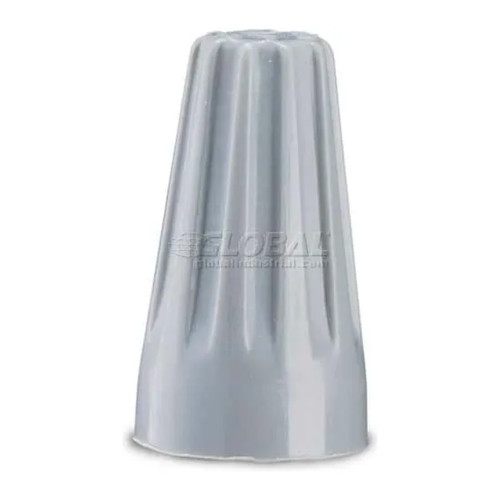 Gray Twist-On Wire Connectors, 100-PackWBB524243
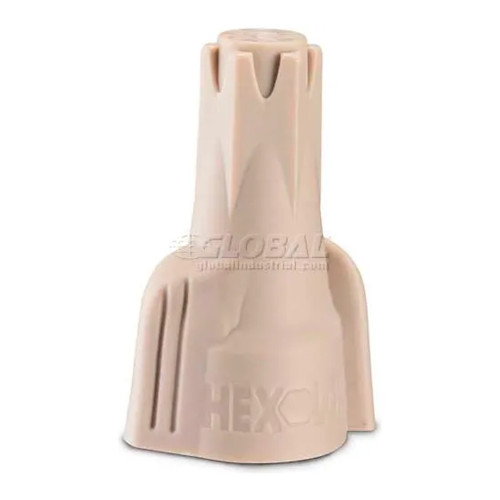 Tan Hex-Head Copper Wire Connectors, 400-PackWBB524618
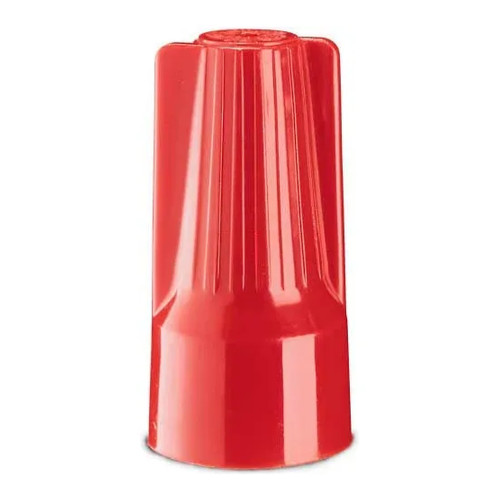 Red Copper Wire Connectors, 500-PackWBB524621
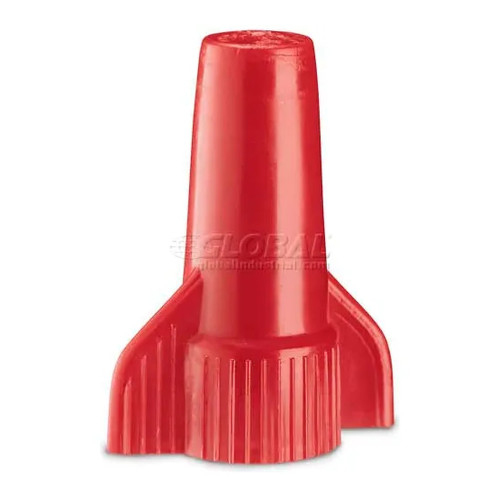 Red Wing-Type Wire Connectors, 325-PackWBB524362
Match the connector to the connection
Use twist-on or wing-type connectors for copper-to-copper wire splices. Choose butt splices to join compatible wires with a crimp, female disconnects for compatible tabs, spade terminals for compatible studs, and ring terminals for compatible stud sizes.
Check fit before selecting
For crimp connectors and terminals, match the listed AWG range to the wire and verify the tab or stud size required. For splice connectors, choose the style and package quantity that suit the wiring task.
Support installation, repair, and maintenance
Products represented here support everyday wiring work, electrical repairs, building wiring, lighting fixtures, luminaires, signs, and electrical maintenance tasks.
Compare handling and protective features
Wing-type connectors provide offset knurled wings for grip and twisting leverage. Several splice connectors use square-wire springs and deep-skirt shells to hold conductors and help cover stripped wire ends.
Represented package quantities range from 15 to 500 connectors or terminals.
Crimp-style options shown cover stated ranges from 22-16 AWG through 12-10 AWG.
One red connector is rated up to 1,000 V for lighting fixtures, luminaires, and signs.
Several wing-type connectors resist heat distortion up to 105°C (221°F).
Compare Wire Connector Types
Use the connection method and compatibility details to narrow the selection.
| Connector type | Connection approach | What to compare |
|---|---|---|
| Twist-on and wing-type connectors | Twist onto copper-to-copper wire splices | Grip style, spring design, shell coverage, heat or chemical resistance, and pack quantity |
| Butt splice connectors | Crimp compatible wires together | Listed AWG range, color coding, stated voltage rating, and pack size |
| Disconnects and terminals | Crimp wire to a compatible tab or stud | Listed AWG range, terminal style, tab or stud fit, insulation, and pack quantity |
Plan the right fit before choosing
Select a splice connector or a crimp termination
The category includes two distinct approaches. Twist-on and wing-type models are made for copper-to-copper splices and twist onto grouped conductors. Crimp-type products provide connections for joining wires or terminating compatible wire to tabs and studs.
- Twist-on connectors offer a compact twisting style for copper-to-copper connections.
- Wing-type connectors add offset, knurled wings for a firm grip and more twisting leverage.
- Butt splices join compatible wire sizes with a crimped connection.
- Female disconnects, spade terminals, and ring terminals support connections to compatible tabs or studs.
Compare wire range, contact size, and stated ratings
Crimp products have specific compatibility details that should match the job. Available examples include female disconnects and spade terminals for 22-16 AWG wire, a butt splice for 16-14 AWG wire, and a ring terminal for 12-10 AWG wire. Tab and stud dimensions also vary by terminal style.
- Female disconnects connect 22-16 AWG wire to compatible 0.250 in. tabs.
- Red spade terminals fit 22-16 AWG wire and compatible size 4-6 studs.
- Yellow ring terminals fit 12-10 AWG wire and compatible 5/16 in. to 3/8 in. studs.
- The blue butt splice is for 16-14 AWG wire and has a 600 V maximum rating.
Choose features that fit the pace and conditions of the work
For repeated splice work, consider grip, shell coverage, environmental resistance, and pack size. Twist-on options may have color-coded housings and chemical-resistant shells. Wing-type options use adjusting plated springs and deep-skirt shells, with stated resistance to heat distortion up to 105°C (221°F).
- Deep-skirt and long-skirt designs help reduce exposed bare wire at the connection.
- Square-wire springs help grip conductors; adjusting springs conform to splice shape and size.
- Some housings resist hydrocarbons and diluted acid or alkaline solutions.
- Package quantities range from 15 pieces to 500 pieces among the products represented.
Common questions before buying
What wire connectors are available for copper-to-copper splices?
The category includes twist-on and wing-type connectors designed for copper-to-copper wire connections and splices.
What is the difference between a butt splice and a terminal?
A butt splice joins compatible wires with a crimped connection. A terminal crimps onto wire to connect it to a compatible tab or stud.
How do I choose a crimp connector by wire size?
Match the connector's stated AWG range to the wire. Examples shown include 22-16 AWG, 16-14 AWG, and 12-10 AWG options.
Are there connectors for lighting fixtures and signs?
One red copper wire connector is rated up to 1,000 V for lighting fixtures, luminaires, and signs, and up to 600 V for building wire. Verify that stated rating against the application requirements.
Wire Connector Buying Guide
Choose wire connectors by first identifying whether the job calls for a copper-to-copper splice or a crimped wire termination. Then compare the connector style, stated wire range, compatible tab or stud size where applicable, and package quantity needed for the work.
Popular examples in this category
Match the connector to the connection
Use twist-on or wing-type connectors for copper-to-copper wire splices. Choose butt splices to join compatible wires with a crimp, female disconnects for compatible tabs, spade terminals for compatible studs, and ring terminals for compatible stud sizes.
Check fit before selecting
For crimp connectors and terminals, match the listed AWG range to the wire and verify the tab or stud size required. For splice connectors, choose the style and package quantity that suit the wiring task.
Support installation, repair, and maintenance
Products represented here support everyday wiring work, electrical repairs, building wiring, lighting fixtures, luminaires, signs, and electrical maintenance tasks.
Compare handling and protective features
Wing-type connectors provide offset knurled wings for grip and twisting leverage. Several splice connectors use square-wire springs and deep-skirt shells to hold conductors and help cover stripped wire ends.
Represented package quantities range from 15 to 500 connectors or terminals.
Crimp-style options shown cover stated ranges from 22-16 AWG through 12-10 AWG.
One red connector is rated up to 1,000 V for lighting fixtures, luminaires, and signs.
Several wing-type connectors resist heat distortion up to 105°C (221°F).
Compare Wire Connector Types
Use the connection method and compatibility details to narrow the selection.
| Connector type | Connection approach | What to compare |
|---|---|---|
| Twist-on and wing-type connectors | Twist onto copper-to-copper wire splices | Grip style, spring design, shell coverage, heat or chemical resistance, and pack quantity |
| Butt splice connectors | Crimp compatible wires together | Listed AWG range, color coding, stated voltage rating, and pack size |
| Disconnects and terminals | Crimp wire to a compatible tab or stud | Listed AWG range, terminal style, tab or stud fit, insulation, and pack quantity |
Plan the right fit before choosing
Select a splice connector or a crimp termination
The category includes two distinct approaches. Twist-on and wing-type models are made for copper-to-copper splices and twist onto grouped conductors. Crimp-type products provide connections for joining wires or terminating compatible wire to tabs and studs.
- Twist-on connectors offer a compact twisting style for copper-to-copper connections.
- Wing-type connectors add offset, knurled wings for a firm grip and more twisting leverage.
- Butt splices join compatible wire sizes with a crimped connection.
- Female disconnects, spade terminals, and ring terminals support connections to compatible tabs or studs.
Compare wire range, contact size, and stated ratings
Crimp products have specific compatibility details that should match the job. Available examples include female disconnects and spade terminals for 22-16 AWG wire, a butt splice for 16-14 AWG wire, and a ring terminal for 12-10 AWG wire. Tab and stud dimensions also vary by terminal style.
- Female disconnects connect 22-16 AWG wire to compatible 0.250 in. tabs.
- Red spade terminals fit 22-16 AWG wire and compatible size 4-6 studs.
- Yellow ring terminals fit 12-10 AWG wire and compatible 5/16 in. to 3/8 in. studs.
- The blue butt splice is for 16-14 AWG wire and has a 600 V maximum rating.
Choose features that fit the pace and conditions of the work
For repeated splice work, consider grip, shell coverage, environmental resistance, and pack size. Twist-on options may have color-coded housings and chemical-resistant shells. Wing-type options use adjusting plated springs and deep-skirt shells, with stated resistance to heat distortion up to 105°C (221°F).
- Deep-skirt and long-skirt designs help reduce exposed bare wire at the connection.
- Square-wire springs help grip conductors; adjusting springs conform to splice shape and size.
- Some housings resist hydrocarbons and diluted acid or alkaline solutions.
- Package quantities range from 15 pieces to 500 pieces among the products represented.
Common questions before buying
What wire connectors are available for copper-to-copper splices?
The category includes twist-on and wing-type connectors designed for copper-to-copper wire connections and splices.
What is the difference between a butt splice and a terminal?
A butt splice joins compatible wires with a crimped connection. A terminal crimps onto wire to connect it to a compatible tab or stud.
How do I choose a crimp connector by wire size?
Match the connector's stated AWG range to the wire. Examples shown include 22-16 AWG, 16-14 AWG, and 12-10 AWG options.
Are there connectors for lighting fixtures and signs?
One red copper wire connector is rated up to 1,000 V for lighting fixtures, luminaires, and signs, and up to 600 V for building wire. Verify that stated rating against the application requirements.