
-
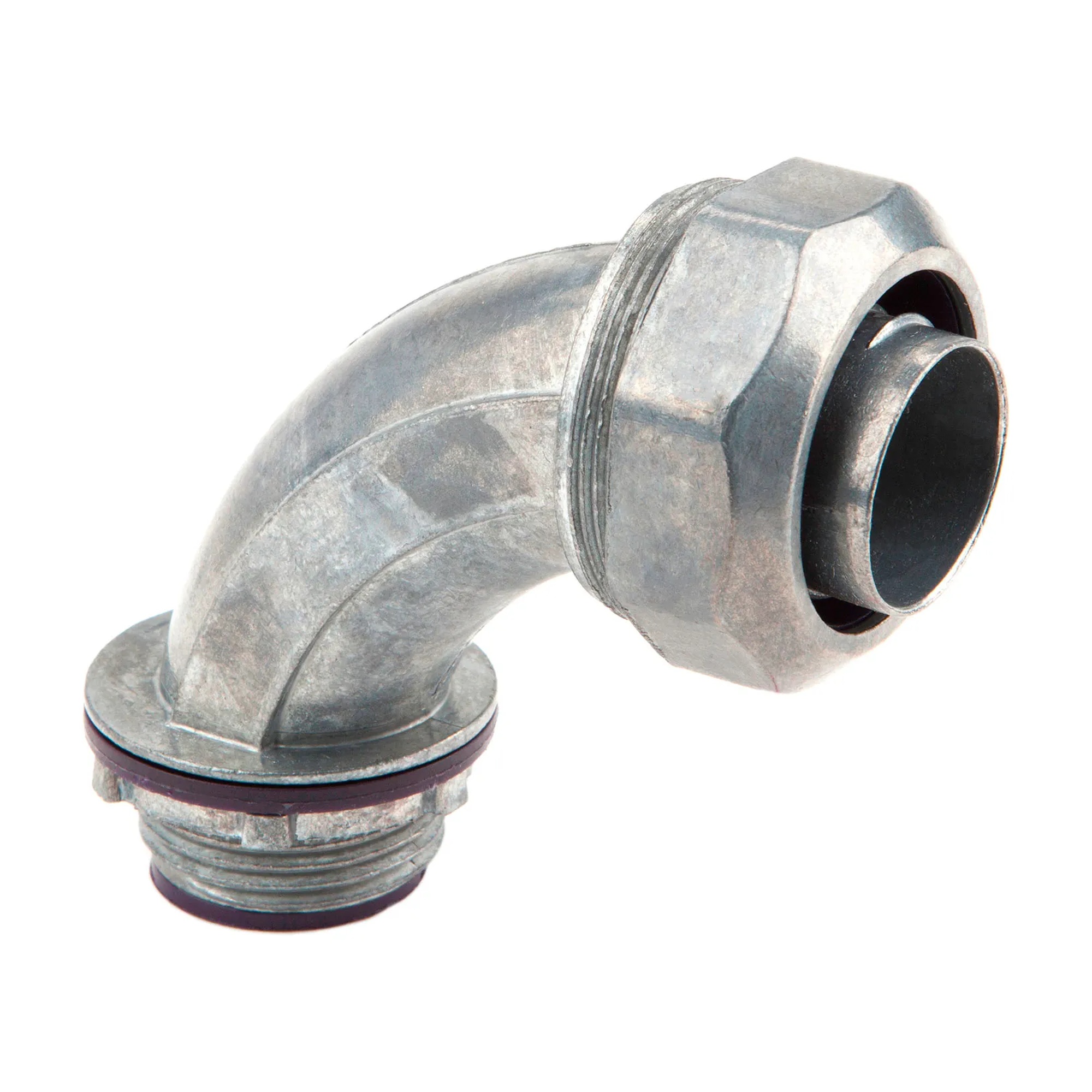
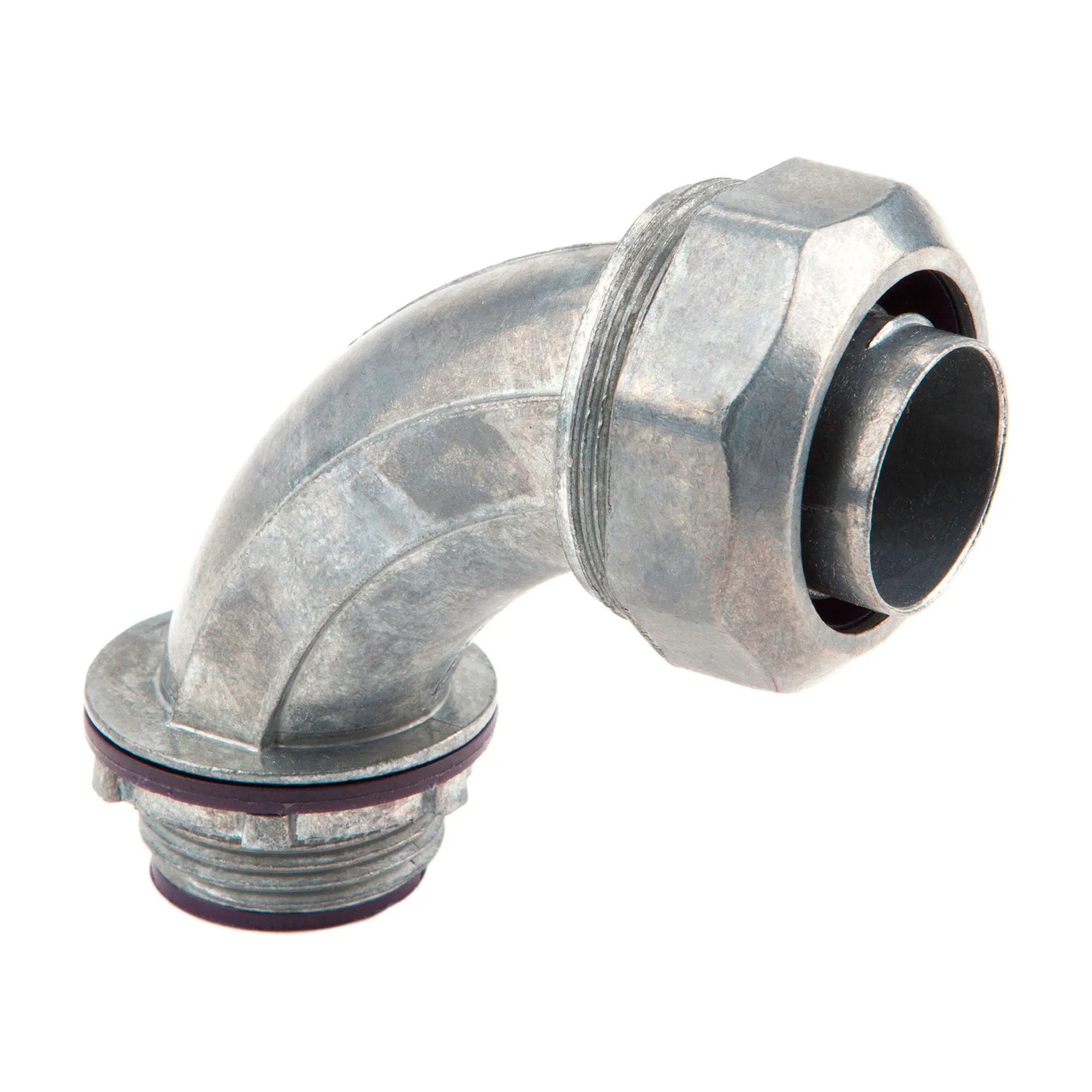
90-Degree Zinc Die-Cast Liquid-Tight Connector, 1-1/2 in., 2-Pack
Our Price:$87.94This 90-degree liquid-tight connector is for electricians and maintenance professionals routing liquid-tight conduit into boxes or enclosures. It provides a right-angle connection where conduit runs...
-
90-Degree Zinc Die-Cast Liquid-Tight Connector, 1-1/4 in., 5-Pack
Our Price:$149.94This 90-degree liquid-tight connector is for electrical installers connecting metallic or non-metallic liquid-tight conduit to a box or enclosure. Its angled design helps route conduit where a run...
-
90-Degree Zinc Die-Cast Liquid-Tight Connector, 3/4 in., 10-Pack
Our Price:$109.94These 90-degree liquid-tight connectors are for electricians and other commercial installers routing liquid-tight conduit into boxes or enclosures. Their angled design helps make turns in conduit...
-
90° Insulated Liquid-Tight Connector, Zinc Die Cast, 1-1/4 in., 5-Pack
Our Price:$155.94This 90° insulated liquid-tight connector is for electricians and maintenance professionals connecting metallic or nonmetallic liquid-tight conduit to weatherproof outlet boxes and other electrical...
-
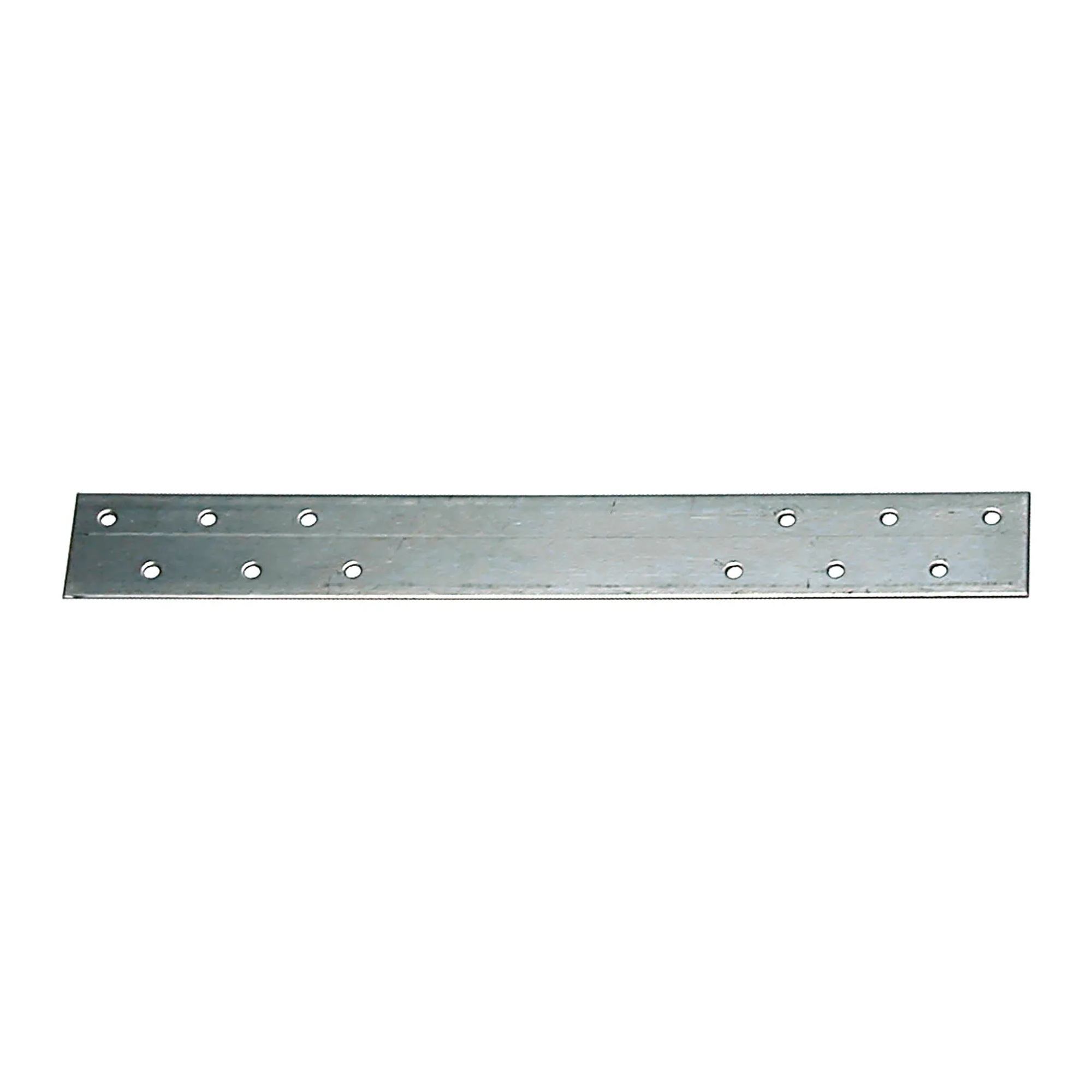
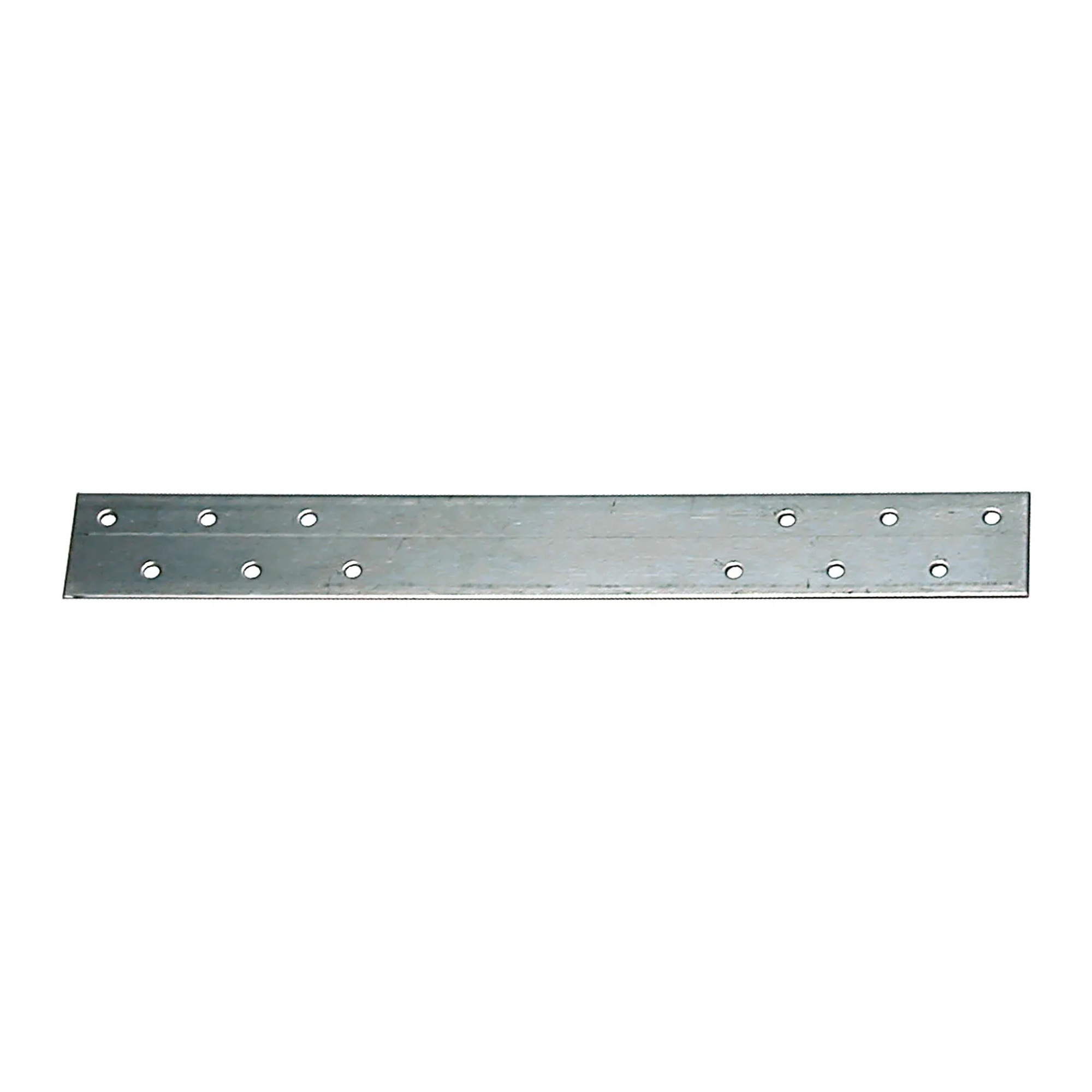
Carbon Steel Plate Strap, 1-1/2 in. x 24 in., 50-Pack
Our Price:$129.94This carbon steel plate strap is for pipe and electrical-wire installations through wood studs. It is nailed across studs to help restrain pipe and to help protect utility pipes and electrical wire...
-
Carbon Steel Plate Strap, 12 Gauge, 1-1/2 in. x 12 in., 50-Pack
Our Price:$99.94These carbon steel plate straps are for contractors and installers working with utility pipes and electrical wire through wood studs. Nail them across studs to help restrain pipe and shield passing...
-
Carbon Steel Plate Strap, 12 Gauge, 1-1/2 in. x 18 in., 50-Pack
Our Price:$139.94This carbon steel plate strap is used by installers working with utility pipe and electrical wire in wood-stud construction. Nailed across studs, it helps restrain pipe and helps shield pipe or wire...
-
Carbon Steel Plate Straps, 12 Gauge, 1-1/2 in. x 9 in., 50-Pack
Our Price:$84.94These carbon steel plate straps are used by electrical and utility installation professionals to help restrain pipe across wood studs and shield pipes or electrical wire passing through studs from...
-
Carbon Steel Plate Straps, 16 Gauge, 1-1/2 in. x 9 in., 50-Pack
Our Price:$57.94These carbon steel plate straps are for installers securing pipe at wood studs and protecting utility pipe or electrical wire where it passes through a stud. Nailed across the stud, they help...
-
Medium-Weight 1 in. One-Hole EMT Strap, 14 Gauge, 100-Pack
Our Price:$57.94This 1 in. medium-weight one-hole EMT strap is for electrical installers fastening EMT conduit to wood, masonry, and similar surfaces. It provides a straightforward single-hole mounting option for...
-
Medium-Weight 1-Inch One-Hole Conduit Strap, 100-Pack
Our Price:$66.94These medium-weight one-hole conduit straps are used by electrical installers to secure rigid or IMC conduit to wood, masonry, and similar surfaces. The 100-pack supports conduit fastening work where...
-
Medium-Weight 1/2-Inch One-Hole Conduit Strap, 100-Pack
Our Price:$44.94This 100-pack of medium-weight one-hole straps is for electrical installers securing rigid or IMC conduit to wood, masonry, and similar surfaces. Each strap helps hold 1/2-inch conduit in place for...
-
Medium-Weight 1/2-Inch One-Hole EMT Straps, 100-Pack
Our Price:$43.94These medium-weight one-hole EMT straps are for electricians and maintenance teams fastening 1/2-inch EMT conduit to wood, masonry, and similar surfaces. They provide a straightforward way to hold...
-
Medium-Weight 3/4-Inch One-Hole Conduit Strap, 100-Pack
Our Price:$53.94These medium-weight one-hole straps are for electricians and contractors securing rigid or IMC conduit to wood, masonry, and similar surfaces. They provide a straightforward fastening point for...
-
Medium-Weight 3/4-Inch One-Hole EMT Conduit Strap, 14 Gauge, 100-Pack
Our Price:$50.94This 100-pack of medium-weight one-hole straps is for EMT conduit installation. It helps installers fasten 3/4-inch EMT conduit to wood, masonry, and similar surfaces where increased load-bearing...
-
One-Hole Rigid Conduit Strap, 1-1/4 in., 50-Pack
Our Price:$57.94These one-hole conduit straps help electricians and contractors secure rigid or IMC conduit to wood, masonry, and other work surfaces. They provide a straightforward fastening point for keeping...
-
Straight Insulated Liquid-Tight Connector, 1-1/2 in., 2-Pack
Our Price:$56.94This straight insulated liquid-tight connector is designed for electricians and electrical installers connecting metallic or nonmetallic liquid-tight conduit to weatherproof outlet boxes and other...
-
Straight Insulated Liquid-Tight Connector, 2-1/2 in.
Our Price:$169.94Electrical contractors and maintenance teams use this straight insulated liquid-tight connector to join liquid-tight conduit to weatherproof outlet boxes and other electrical enclosures. It supports...
-
Straight Insulated Liquid-Tight Connector, 3/4 in., 10 Pack
Our Price:$73.94These straight insulated liquid-tight connectors are for electricians connecting metallic or nonmetallic liquid-tight conduit to weatherproof outlet boxes and other electrical enclosures. They...
-
Straight Insulated Liquid-Tight Connector, Zinc Die Cast, 3-1/2 in.
Our Price:$239.94Electrical installers use this straight insulated liquid-tight connector to join liquid-tight conduit to weatherproof outlet boxes and other electrical enclosures. It supports conduit connections...






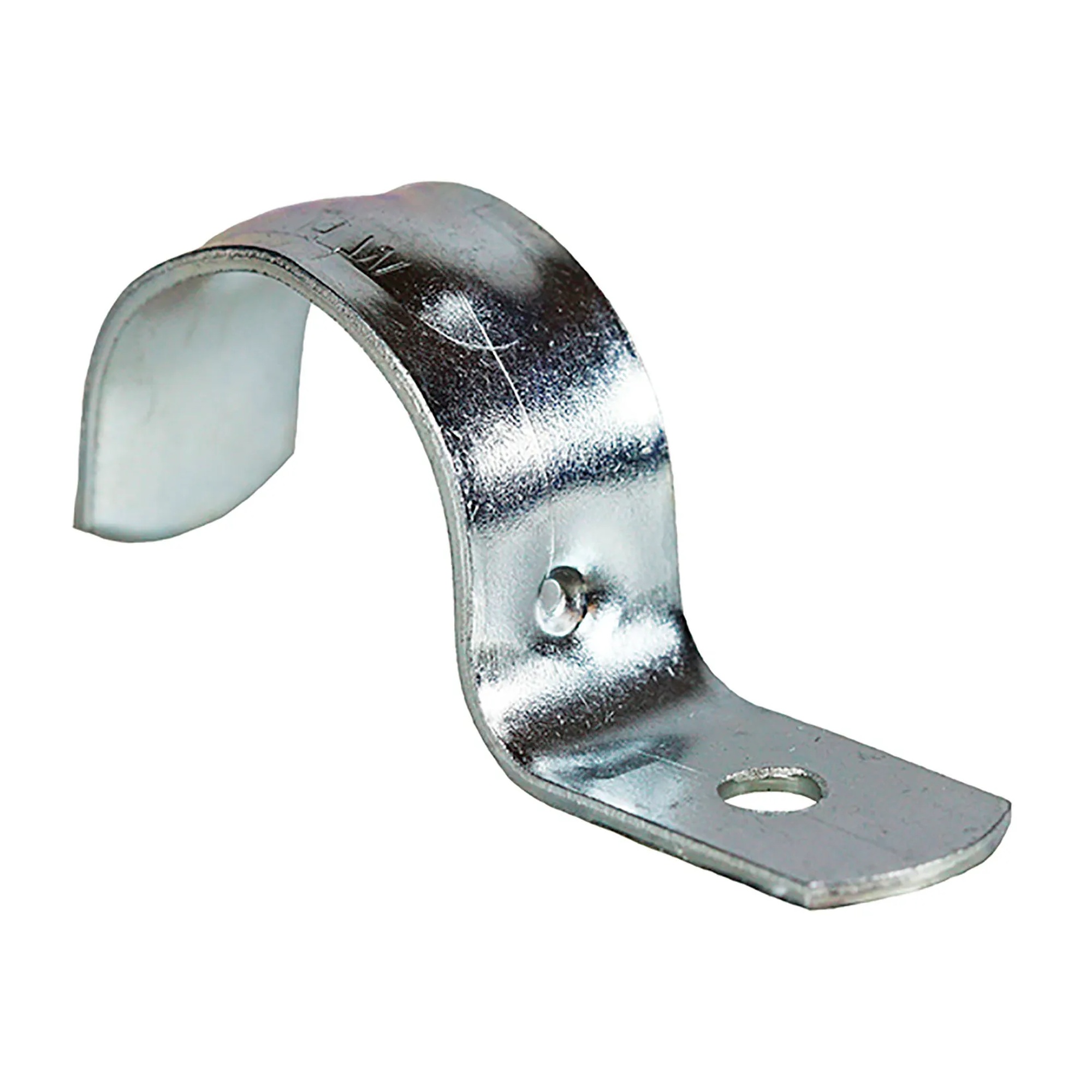


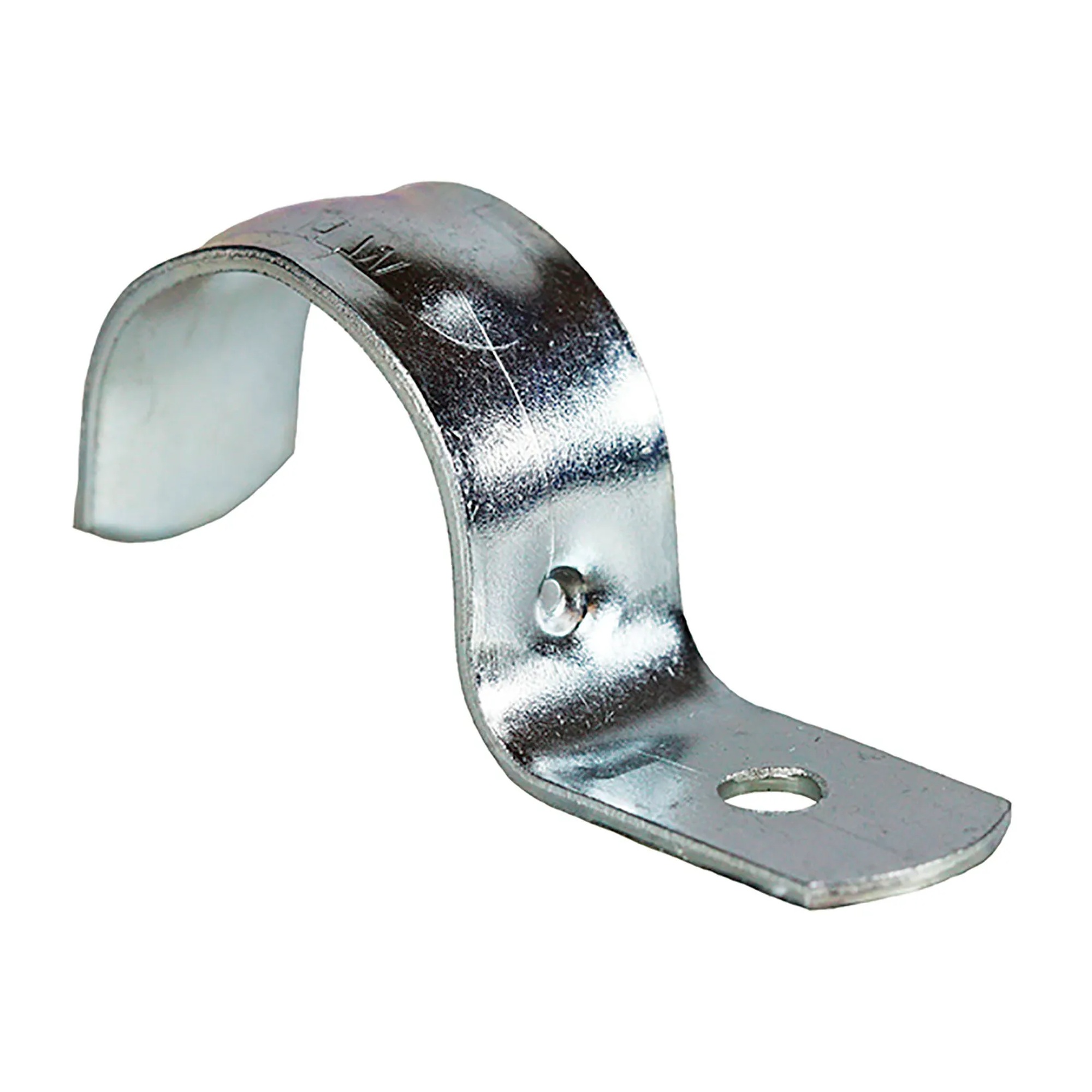


Clamps & Clips Buying Guide
Choose clamps and clips by the job at hand: making a conduit-to-enclosure connection, fastening conduit along a surface, or protecting pipe and wire where they pass through wood studs. Review the conduit type, stated size, connector direction, strap design, construction, and pack quantity before selecting.
Popular examples in this category
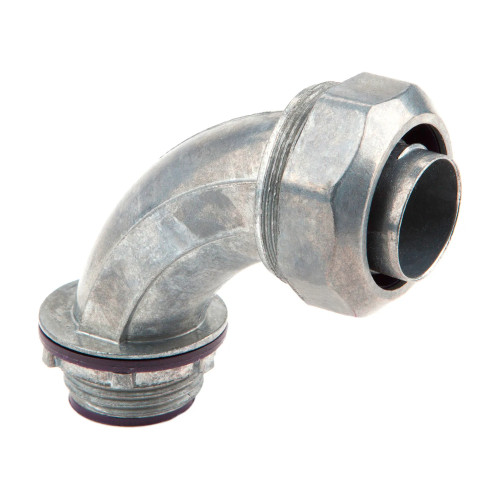 90-Degree Insulated Liquid-Tight Connector, Zinc Die Cast, 2-Inch, 2-PackWBB3148423
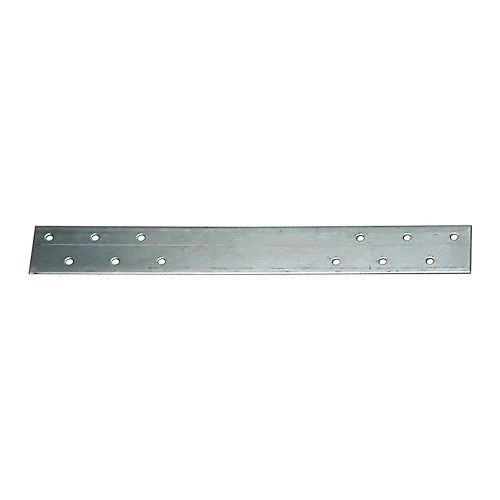 Carbon Steel Plate Strap, 1-1/2 in. x 24 in., 50-PackWBB3148647
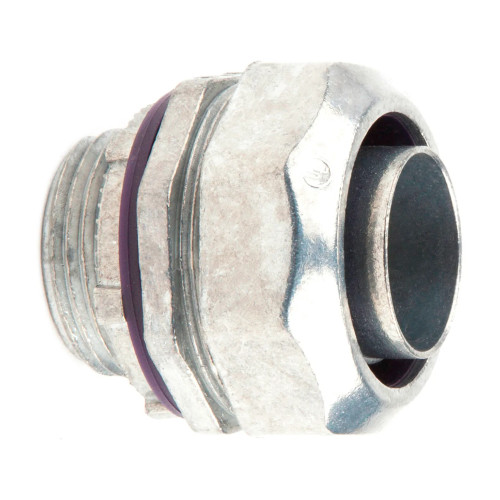 1-1/4 in. Straight Liquid-Tight Connector, Zinc Die Cast, 5-PackWBB3148650
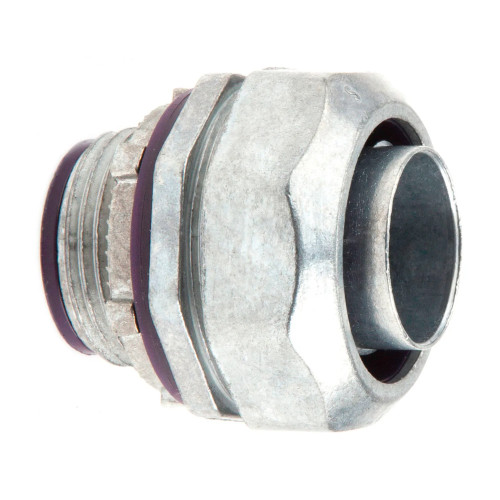 1-1/4 in. Straight Insulated Liquid-Tight Connector, 5-PackWBB3148651
Match the part to the installation task
Use liquid-tight connectors to connect liquid-tight conduit to weatherproof outlet boxes and other electrical enclosures. Use one-hole or two-hole straps to fasten conduit to wood, masonry, and similar surfaces. Use plate straps across wood studs to restrain pipe and help protect pipe or electrical wire from drills, nails, and fasteners.
Start with conduit type, size, and routing path
For connectors, match the stated conduit size and choose straight for direct entry or 90-degree for a turn into a box or enclosure. For straps, select the style identified for rigid, IMC, or EMT conduit, then consider one-hole or two-hole mounting and the stated weight or gauge.
Support electrical and utility routing work
These products are represented for electrical installer, electrician, maintenance, and utility installation tasks. Applications include conduit runs into enclosures, conduit fastening on wood or masonry, and pipe or wire routing through wood framing.
Compare construction and package count
Several connectors are zinc die-cast, while the straps and plate straps are carbon steel options. Selected conduit straps have a zinc-plated finish for corrosion resistance, and available pack quantities include 2, 5, 10, 50, and 100 pieces.
Straight and 90-degree configurations are represented for liquid-tight conduit routing.
Available examples include 3/4 inch, 1-1/4 inch, 1-1/2 inch, and 2 inch.
Conduit strap designs include one-hole and two-hole options.
Represented package quantities range from 2 to 100 pieces.
Compare the primary product types
Use this overview to identify which type aligns with the installation task described in the product summaries.
| Product type | What it is used for | Key selection points |
|---|---|---|
| Liquid-tight connectors | Connect metallic or non-metallic liquid-tight conduit to boxes or enclosures. | Choose stated size, straight or 90-degree configuration, insulated option where specified, and pack quantity. |
| Conduit straps | Fasten rigid, IMC, or specified EMT conduit to wood, masonry, and similar surfaces. | Compare conduit compatibility, one-hole or two-hole design, weight or gauge, and zinc-plated finish where specified. |
| Plate straps | Restrain pipe and help protect pipe or electrical wire at wood studs. | Compare 12-inch or 24-inch length, 16-gauge carbon steel construction, and 50-pack quantity. |
Plan the right fit before choosing
Choose a direct or right-angle liquid-tight connection
Liquid-tight connectors are available in straight and 90-degree configurations for connecting metallic or non-metallic liquid-tight conduit to compatible boxes or enclosures. Straight connectors support direct conduit entry, while 90-degree connectors help when the conduit run needs to turn before entering the enclosure.
- Match the connector to the stated conduit size, including 3/4 inch, 1-1/4 inch, 1-1/2 inch, or 2 inch options.
- Choose a straight connector for direct entry or a 90-degree connector for a right-angle routing path.
- Consider insulated connector options where an insulated design is specified.
- Select the pack quantity that fits the number of planned connections.
Select straps based on conduit and mounting needs
One-hole and two-hole straps are represented for fastening conduit to wood, masonry, and similar surfaces. Available options include straps for rigid or IMC conduit and a strap identified for 1/2-inch EMT conduit. Some one-hole styles are medium weight and include an inverted back rib for added rigidity.
- One-hole straps provide a straightforward attachment point.
- Two-hole straps provide two fastening points for securing conduit.
- Medium-weight options are described as providing increased load-bearing capability.
- Zinc-plated strap finishes help resist corrosion.
Use plate straps where pipe or wire passes through wood studs
Carbon steel plate straps are designed to be nailed across wood studs. They help restrain pipe and help protect utility pipes and electrical wire from being pierced by drills, nails, or other fasteners.
- Choose from 12-inch or 24-inch plate strap lengths represented in the category.
- Both plate strap options are listed as 16-gauge carbon steel.
- 50-pack quantities support installation work requiring multiple straps.
Common questions before buying
What are liquid-tight connectors used for?
They connect metallic or non-metallic liquid-tight conduit to compatible boxes or electrical enclosures.
When should I choose a 90-degree connector?
Choose a 90-degree connector when the conduit run needs to make a turn before entering a box or enclosure.
What is the difference between one-hole and two-hole conduit straps?
One-hole straps provide one attachment point, while two-hole straps provide two fastening points for securing conduit.
What do plate straps help protect?
When nailed across wood studs, plate straps help protect utility pipes and electrical wire from drills, nails, and other fasteners.