

-
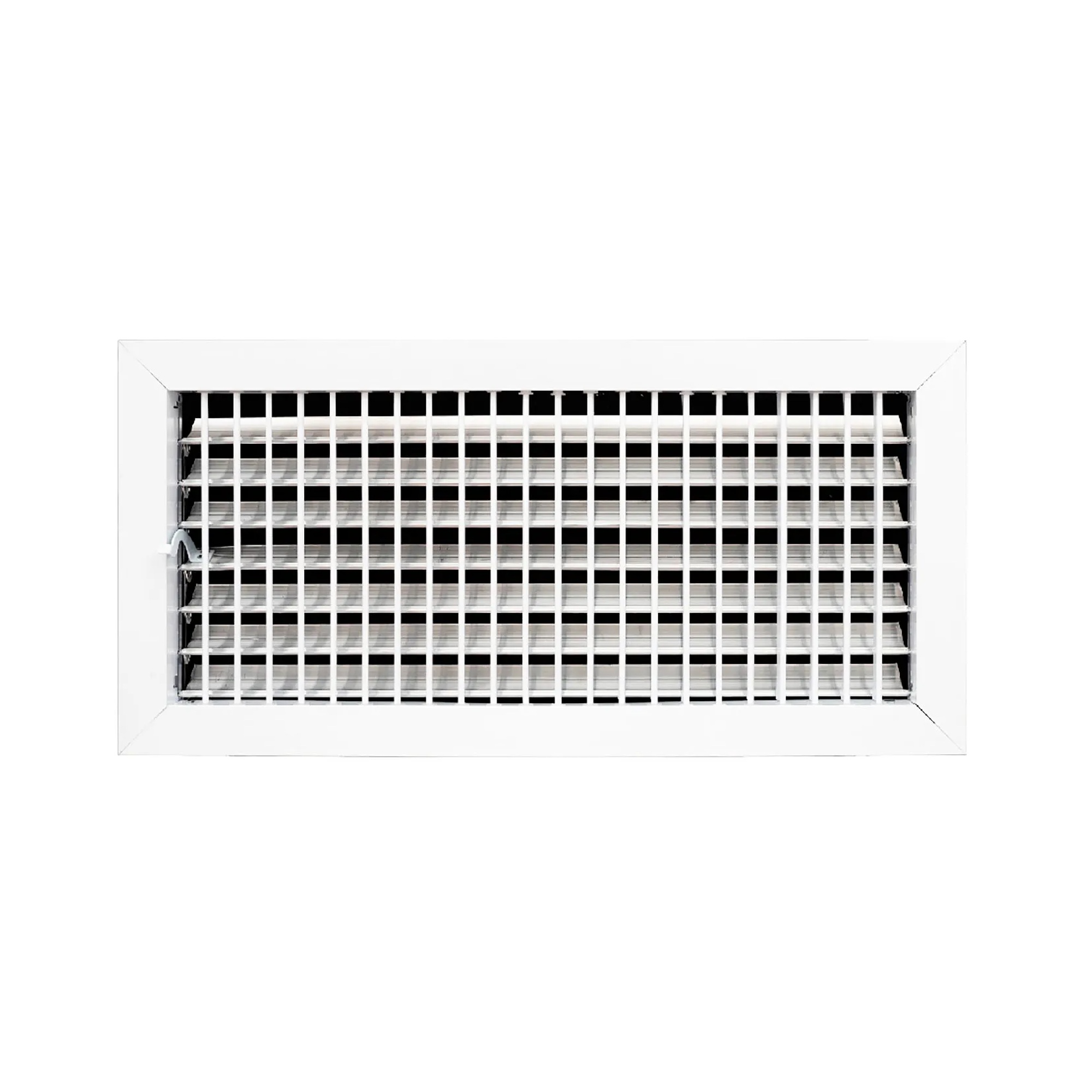
White Aluminum Adjustable 2-Way Wall Register for 10 x 10 Duct Opening
Our Price:$33.94This adjustable wall register is an air supply vent cover for residential and commercial users with a 10 x 10 duct opening. Its horizontal fins help direct supplied air in two directions for...
-
White Aluminum Adjustable 2-Way Wall Register for 10 x 6 Duct Openings
Our Price:$27.94This adjustable wall register is used by residential and commercial buyers to cover a 10 x 6 duct opening and direct supply air into a room. Its horizontal fins allow users to adjust airflow...
-
White Aluminum Adjustable One-Way Wall Register for 14 x 10 Duct Opening
Our Price:$35.94This adjustable one-way wall register is for residential and commercial users who need to cover a 14 x 10 duct opening while directing and regulating supply airflow. Its sidewall design provides a...
-
White Aluminum Adjustable One-Way Wall Register for 18 in. x 8 in. Duct Openings
Our Price:$37.94This adjustable one-way wall register is designed for residential and commercial users who need to direct and control supply air at an 18 in. x 8 in. duct opening. Its integrated damper helps users...
-
White Aluminum Adjustable One-Way Wall Register for 18 x 12 Duct Opening
Our Price:$45.94This adjustable one-way wall register is designed for residential and commercial users who need to direct supply air from an 18 x 12 inch duct opening. Its built-in damper lets users manage airflow...
-
White Aluminum Adjustable One-Way Wall Register for 8 x 6 Duct Openings
Our Price:$20.99This adjustable one-way wall register is designed for residential and commercial air-supply applications. Contractors, maintenance teams, and property owners can use it to cover an 8 x 6 inch duct...
-
White Aluminum Eggcrate Core, 24 in. x 48 in., Pack of 5
Our Price:$419.94This white aluminum eggcrate core is a five-piece louver pack for facility and HVAC professionals who need a versatile grille-style component for air supply and return openings. It can also be used...
-
White Aluminum Eggcrate Louver Core, 24 x 48 in., Pack of 2
Our Price:$209.94This white aluminum eggcrate louver core is for HVAC and facility users who need a louvered panel for supply or return air openings. It can also be used in other listed applications, including...
-
White Aluminum Exterior Return Air Grille for 14 x 6 Duct Openings
Our Price:$22.74This exterior return air grille is designed for commercial buyers installing or replacing an outdoor sidewall vent cover. It fits a 14 x 6 duct opening and helps protect the return-air opening from...
-
White Aluminum Exterior Return Air Grille for 26 x 16 Duct Openings
Our Price:$83.94This white exterior return air grille is designed for contractors and facility maintenance teams installing return-air duct openings on outdoor sidewalls. It covers a 26 x 16 inch duct hole while...
-
White Aluminum Exterior Return Air Grille for 30 x 24 Duct Openings
Our Price:$105.94This exterior return air grille is designed for HVAC installers and facility teams finishing outdoor sidewall return-air openings. It covers a 30 x 24 inch duct hole while allowing return air to pass...
-
White Aluminum Exterior Return Air Grille for 32 x 18 Duct Openings
Our Price:$115.94This exterior return air grille is designed for HVAC installers and facility maintenance teams finishing a 32 x 18 inch sidewall duct opening. It provides a louvered outdoor return-air entry point...
-
White Aluminum Exterior Return Air Grille for 36 x 6 Duct Opening
Our Price:$55.94This exterior return air grille is designed for commercial buyers installing or replacing a return-air cover on an outdoor sidewall. It fits a 36 x 6 inch duct opening and helps protect the opening...
-
White Aluminum Exterior Return Air Grille for 6 x 6 Duct Openings
Our Price:$16.74This exterior return air grille is designed for HVAC installers and facility maintenance teams that need to cover a 6 x 6 duct opening on an outdoor sidewall. It provides a finished return-air...
-
White Aluminum Exterior Return Air Grille for 8 x 8 Duct Openings
Our Price:$18.99This exterior return air grille is designed for commercial buyers installing or replacing an outdoor sidewall vent cover. It fits an 8 x 8 duct opening and helps route return air while blocking rain...
-
White Aluminum Exterior Return Air Vent Grille for 10 x 10 Duct Opening
Our Price:$22.74This exterior return air vent grille is designed for facilities professionals and contractors who need to cover a 10 x 10 duct opening on an outdoor sidewall. It supports return-air ventilation while...
-
White Aluminum Exterior Return Air Vent Grille for 10 x 4 Duct Opening
Our Price:$16.74This exterior return air vent grille is designed for commercial buyers installing or replacing a sidewall return-air cover on a 10 x 4 duct opening. It provides a finished exterior vent point while...
-
White Aluminum Exterior Return Air Vent Grille for 12 x 12 Duct Openings
Our Price:$23.74This exterior return air vent grille is designed for commercial buyers installing or replacing a return-air cover on an outdoor sidewall. It fits a 12 x 12 duct opening and helps provide an exterior...
-
White Aluminum Exterior Return Air Vent Grille for 14 x 14 Duct Openings
Our Price:$39.94This exterior return air vent grille is designed for contractors and facility teams installing a return-air opening on an outdoor sidewall. It covers a 14 x 14 duct opening while helping block rain...
-
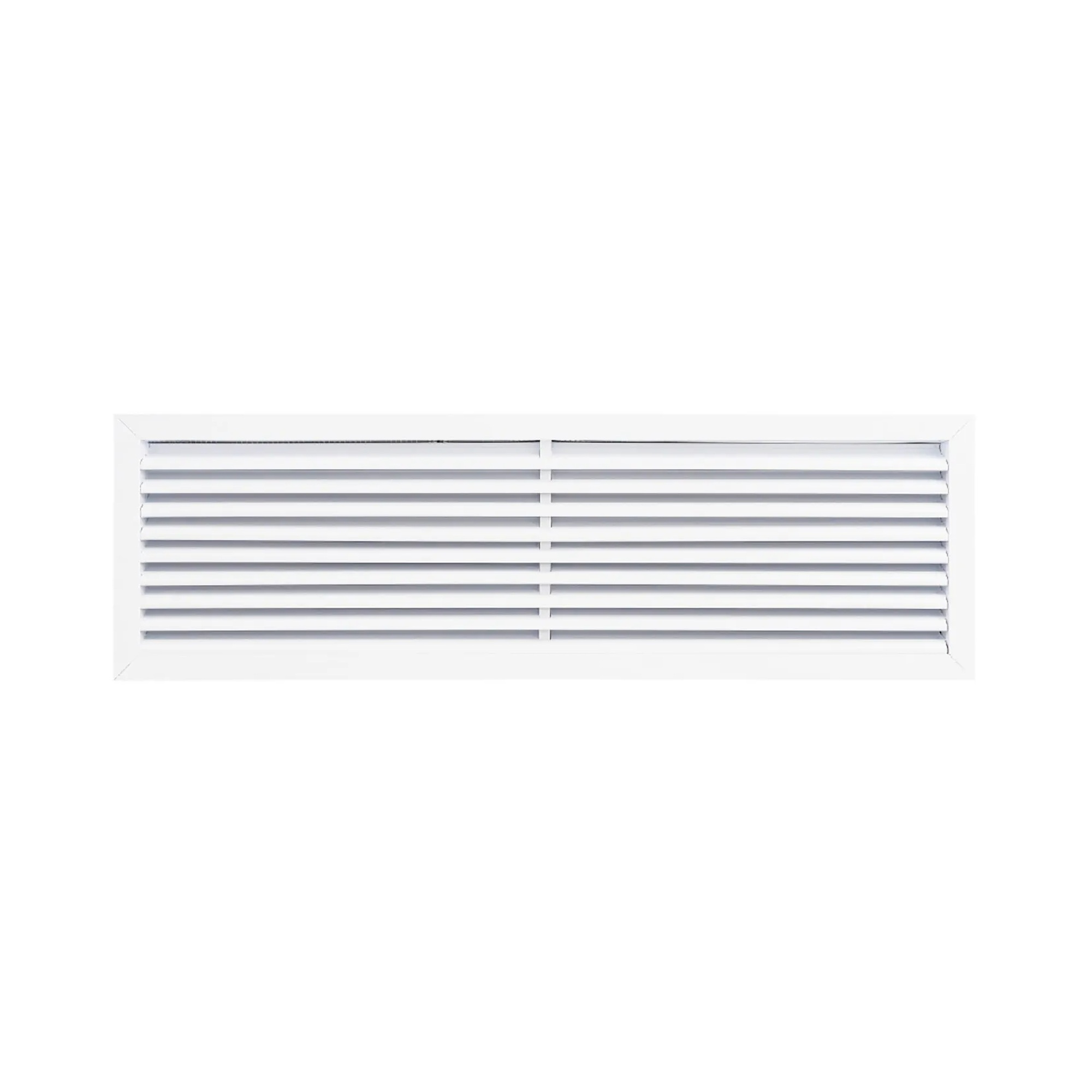
White Aluminum Linear Slot Diffuser for 10 x 10 Duct Openings
Our Price:$62.94This linear slot diffuser is a vent cover for residential and commercial users who need to finish a 10 x 10 duct opening on a wall or ceiling. Its adjustable vertical blades help direct airflow where...
-
White Aluminum Linear Slot Diffuser for 10 x 6 Duct Openings
Our Price:$48.94This linear slot diffuser is a ventilation cover for residential and commercial users who need to direct air from a 10 x 6 duct opening. It installs on walls or ceilings and uses adjustable vertical...
-
White Aluminum Linear Slot Diffuser for 10 x 8 Duct Openings
Our Price:$56.94This linear slot diffuser is a wall- or ceiling-mounted vent cover for residential and commercial buyers with a 10 x 8 duct opening. It helps direct ventilation airflow while providing a clean white...
-
White Aluminum Linear Slot Diffuser for 12 in. x 12 in. Duct Openings
Our Price:$87.94This linear slot diffuser is a wall or ceiling vent cover for residential and commercial users. It fits a 12 in. x 12 in. duct opening and helps direct ventilation airflow through adjustable vertical...
-
White Aluminum Linear Slot Diffuser for 12 x 6 in. Duct Openings
Our Price:$55.94This linear slot diffuser is a ventilation cover for residential and commercial buyers who need to finish a 12 x 6 in. duct opening on a wall or ceiling. Its adjustable vertical blades help direct...
-
White Aluminum Linear Slot Diffuser for 12 x 8 Duct Openings
Our Price:$63.94This linear slot diffuser is a vent cover for residential and commercial users who need to finish a 12 x 8 duct opening on a wall or ceiling. Its adjustable vertical blades let users direct airflow...
-
White Aluminum Linear Slot Diffuser for 14 x 6 Duct Openings
Our Price:$62.94This linear slot diffuser is a wall- and ceiling-mount vent cover for residential and commercial users who need to finish a 14 x 6 duct opening while directing airflow through adjustable vertical...
-
White Aluminum Linear Slot Diffuser for 14 x 8 in. Duct Openings
Our Price:$73.94This linear slot diffuser is a vent cover for residential and commercial users who need to finish a 14 x 8 in. duct opening on a wall or ceiling. Its adjustable vertical blades help direct airflow...
-
White Aluminum Linear Slot Diffuser for 16 x 6 Duct Openings
Our Price:$69.94This linear slot diffuser is designed for residential and commercial wall or ceiling installations with a 16 x 6 duct opening. It provides a finished vent cover while allowing the vertical blades to...
-
White Aluminum Linear Slot Diffuser for 6 in. x 4 in. Duct Openings
Our Price:$29.94This linear slot diffuser is a wall or ceiling vent cover for residential and commercial users who need to finish a 6 in. x 4 in. duct opening and direct ventilation airflow. Its adjustable vertical...
-
White Aluminum Linear Slot Diffuser for 6 x 6 Duct Openings
Our Price:$34.94This linear slot diffuser is a vent cover for residential and commercial users who need to finish a 6 x 6 duct opening on a wall or ceiling. Its adjustable vertical blades help direct airflow where...




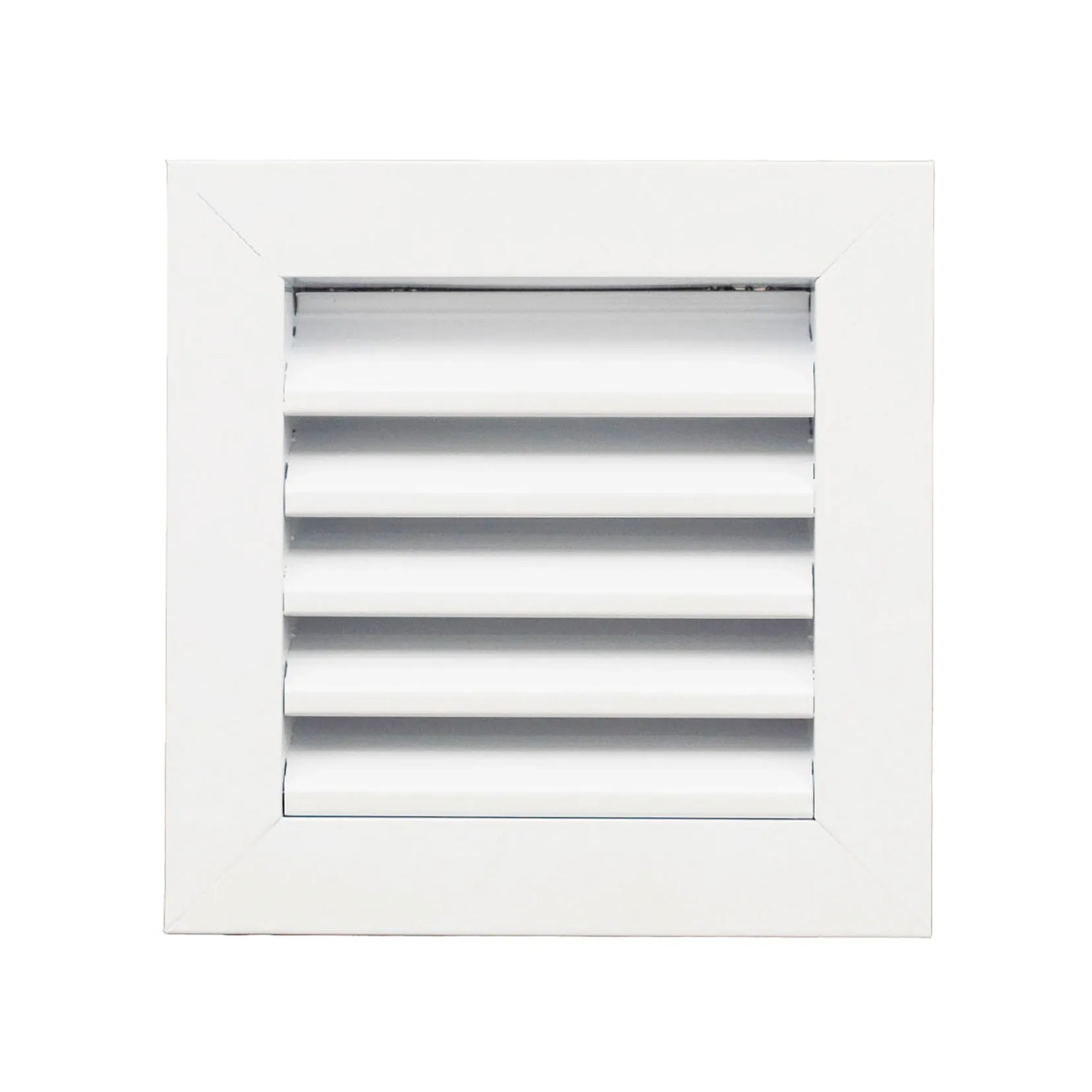


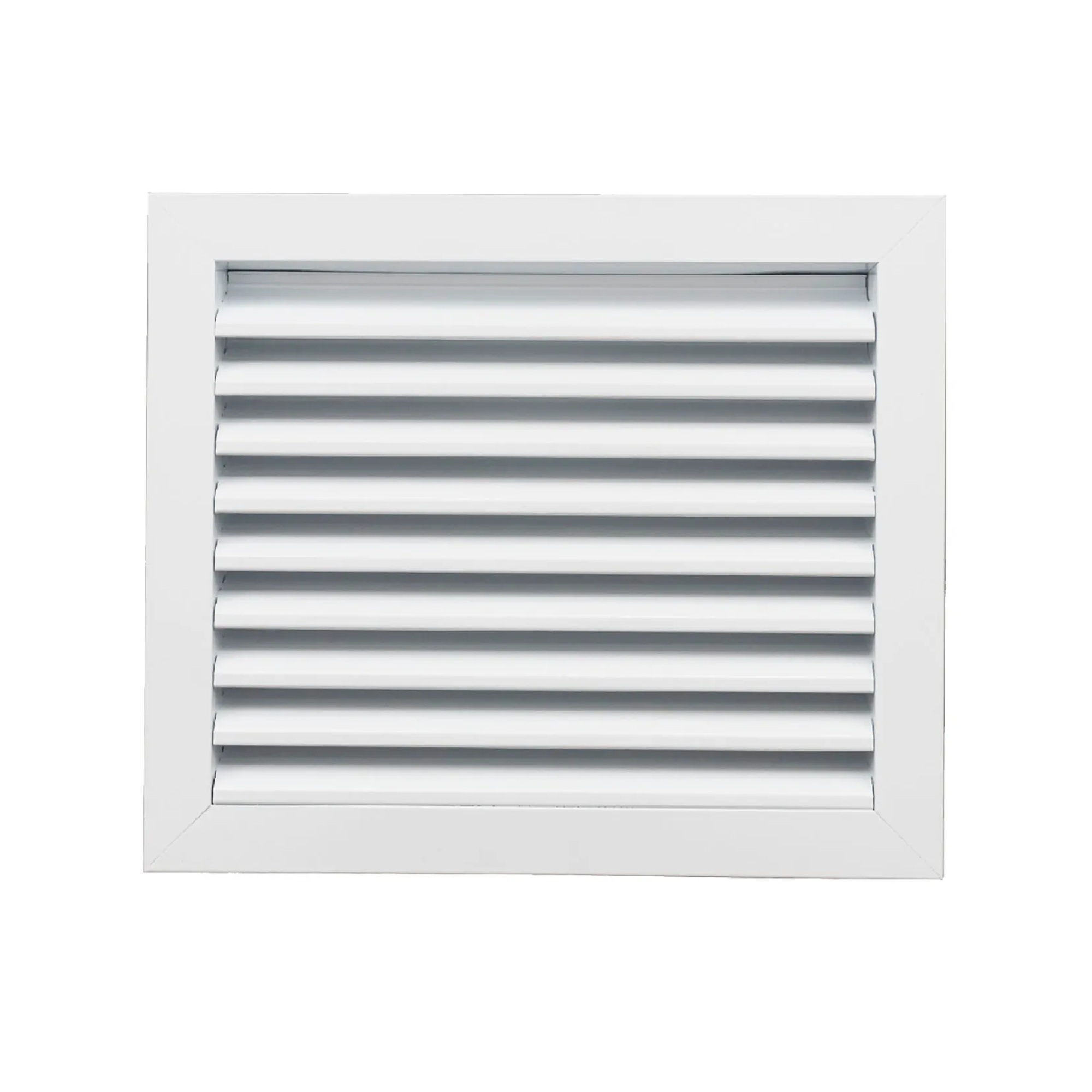










Fans, Blowers & Ventilation: Find the Right Airflow Solution
Whether you need to exhaust heat from a server cabinet, move air through a greenhouse, or ventilate a confined workspace, this category covers the full range of industrial and commercial airflow equipment. Use the subcategory paths below to narrow your selection by application, environment, and airflow requirement.
Choose your starting point
Popular examples in this category
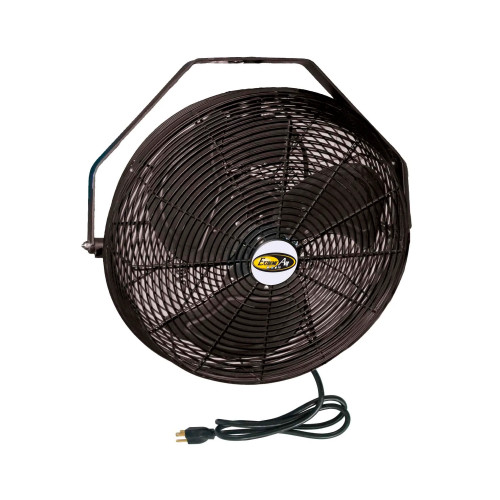 18-Inch Wall and Ceiling Mount Fan with Yoke Bracket, BlackWB968710
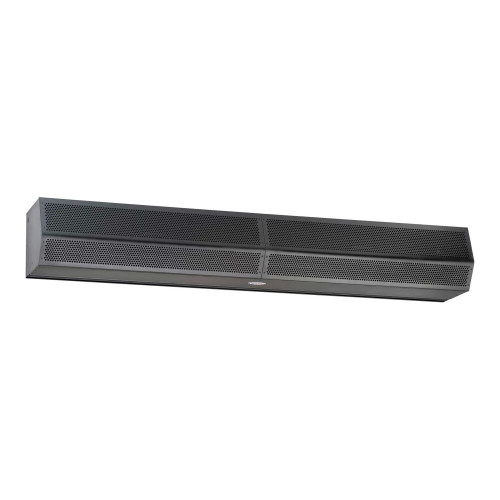 36-Inch Electric Heated Air Curtain, 208V, BlackWBB2117784
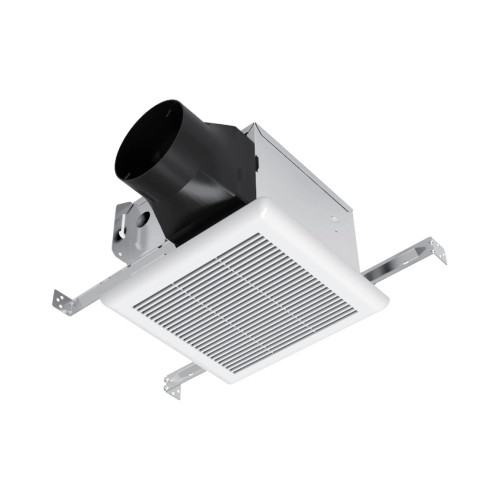 80 CFM Quiet Bathroom Exhaust Fan, 120VWBB3192350
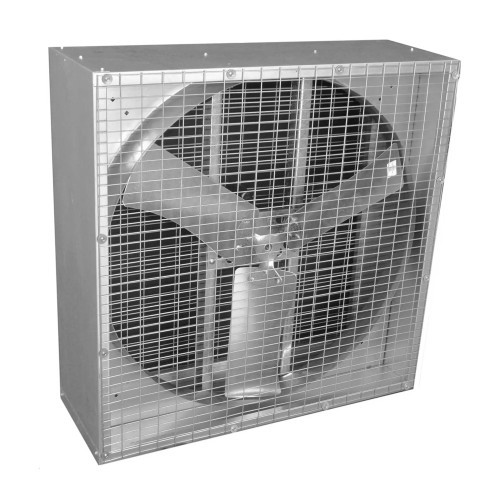 36 in Direct-Drive Cabinet Exhaust Fan, 1/2 HP, 11,250 CFM, 3-PhaseWBB2201935
Airflow Equipment for Every Environment
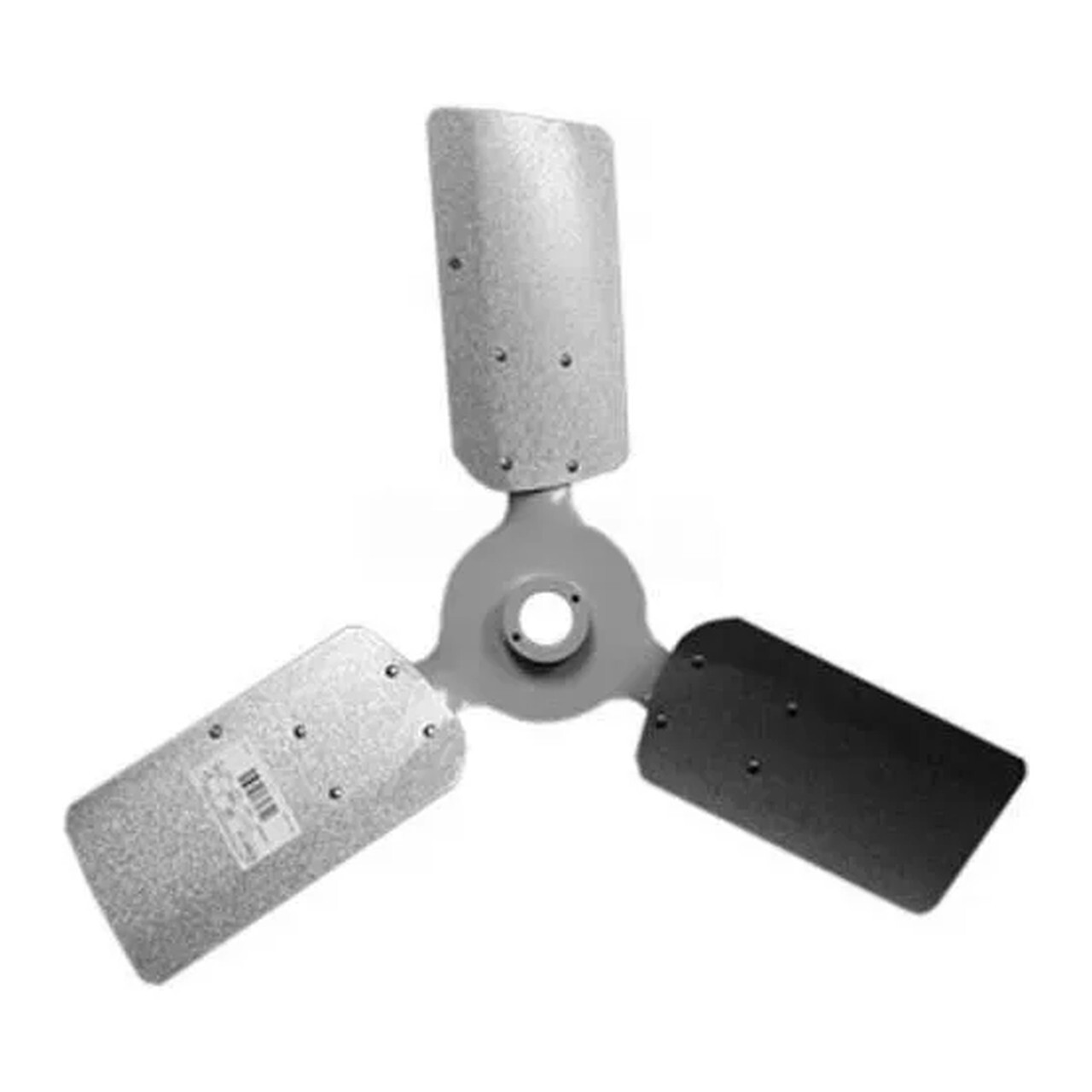
Fans, blowers, and ventilation equipment move, exhaust, or redirect air in commercial, industrial, agricultural, and residential settings. Applications range from removing humidity in bathrooms to pressurizing airflow in large duct systems, cooling electronics, or maintaining safe air quality in enclosed spaces.
Matching Equipment to Your Airflow Need
Start by identifying your application: exhausting stale air, supplying fresh air, or moving high volumes through ductwork. Then consider CFM requirements, static pressure, mounting constraints, noise limits, and whether the environment is wet, dusty, or hazardous. These factors determine fan type and size.
Where These Products Are Commonly Used
Common uses include greenhouse climate control, bathroom moisture exhaust, cabinet and enclosure cooling, doorway air curtains for temperature separation, confined space safety ventilation, industrial duct systems, and agricultural barn ventilation. Each application calls for a specific fan or blower type.
Installation, Accessories & Airflow Planning
Proper installation and accessories—dampers, blower housings, mounting hardware—directly affect performance and efficiency. Dampers control airflow direction and prevent backdraft. Blower accessories allow system customization. Always verify voltage, mounting orientation, and duct compatibility before ordering.
Which Fan or Blower Subcategory Do You Need?
Match your application to the right subcategory using this quick-reference guide.
| Need | Best Fit | Why It Matters |
|---|---|---|
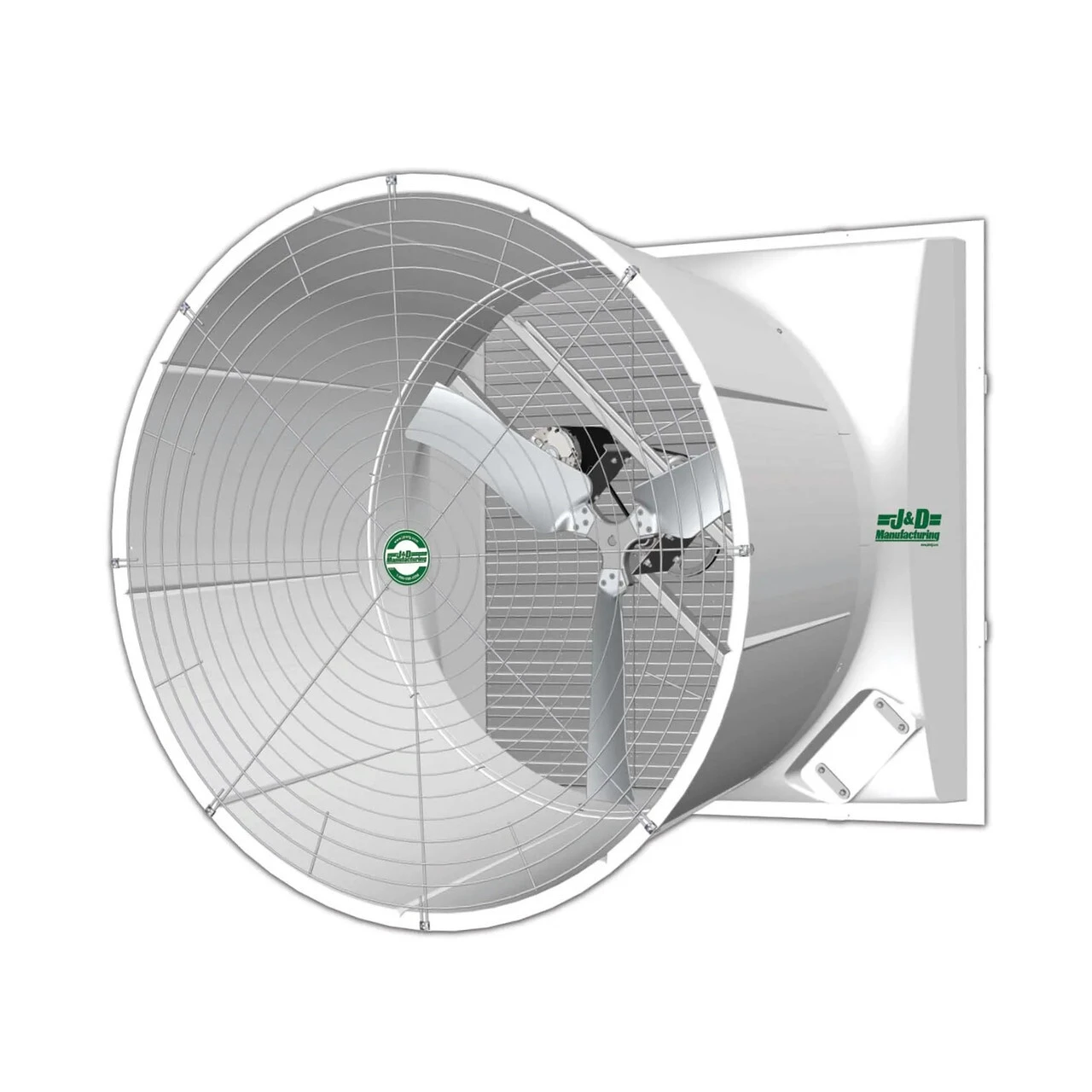
| Ventilate a greenhouse or barn | Agricultural & Horticultural Fans | Designed for high CFM in open or semi-open structures with exposure to dust and moisture |
| Separate temperature zones at a doorway | Air Curtains | Creates an invisible air barrier to reduce heat transfer and keep conditioned air inside |
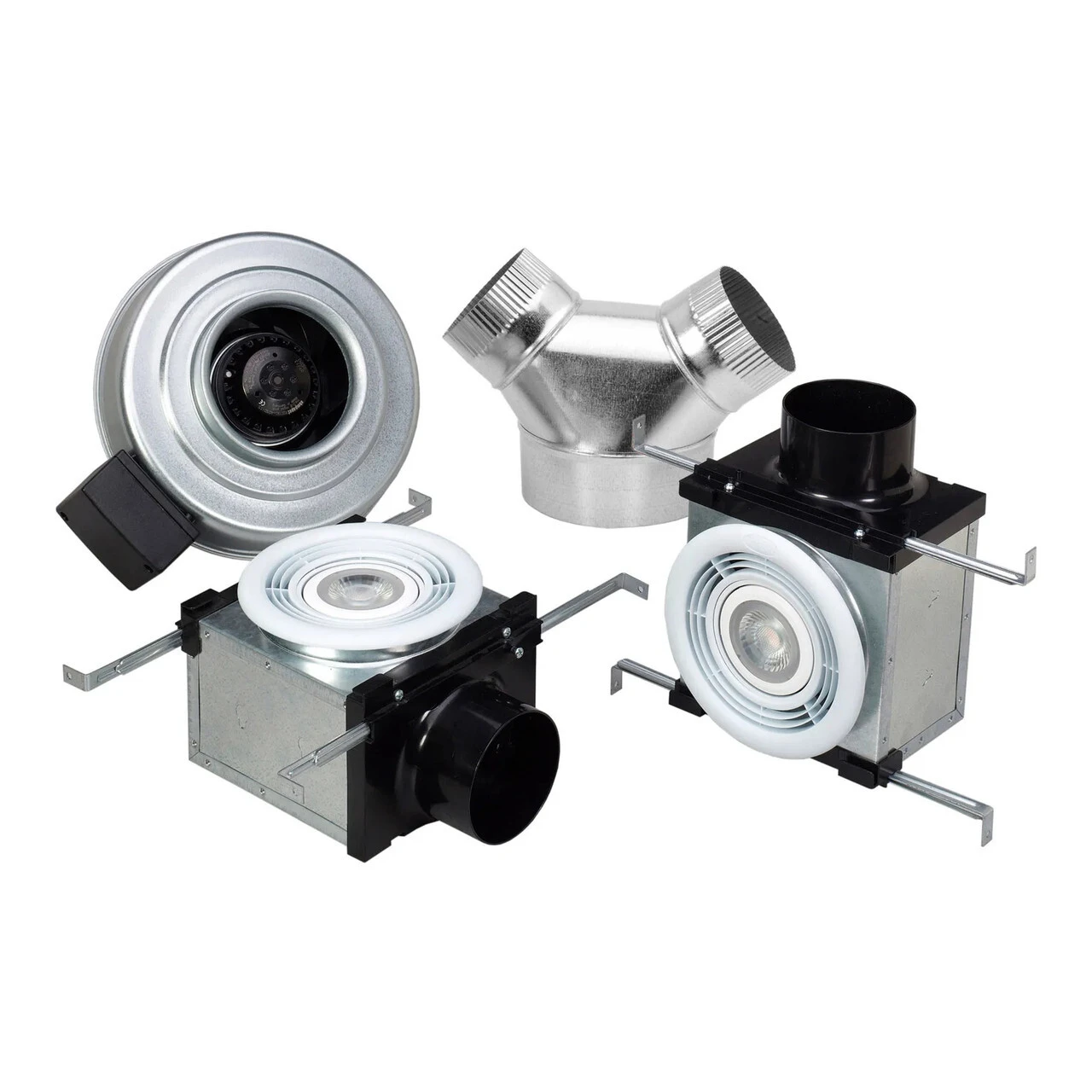
| Remove humidity from a bathroom or utility room | Bathroom Exhaust Fans | Sized and rated specifically for moisture-heavy residential and light commercial exhaust |
| Cool electronics or equipment in an enclosure | Cabinet Exhaust Fans | Compact form factors designed to fit standard enclosure cutouts and manage heat buildup |
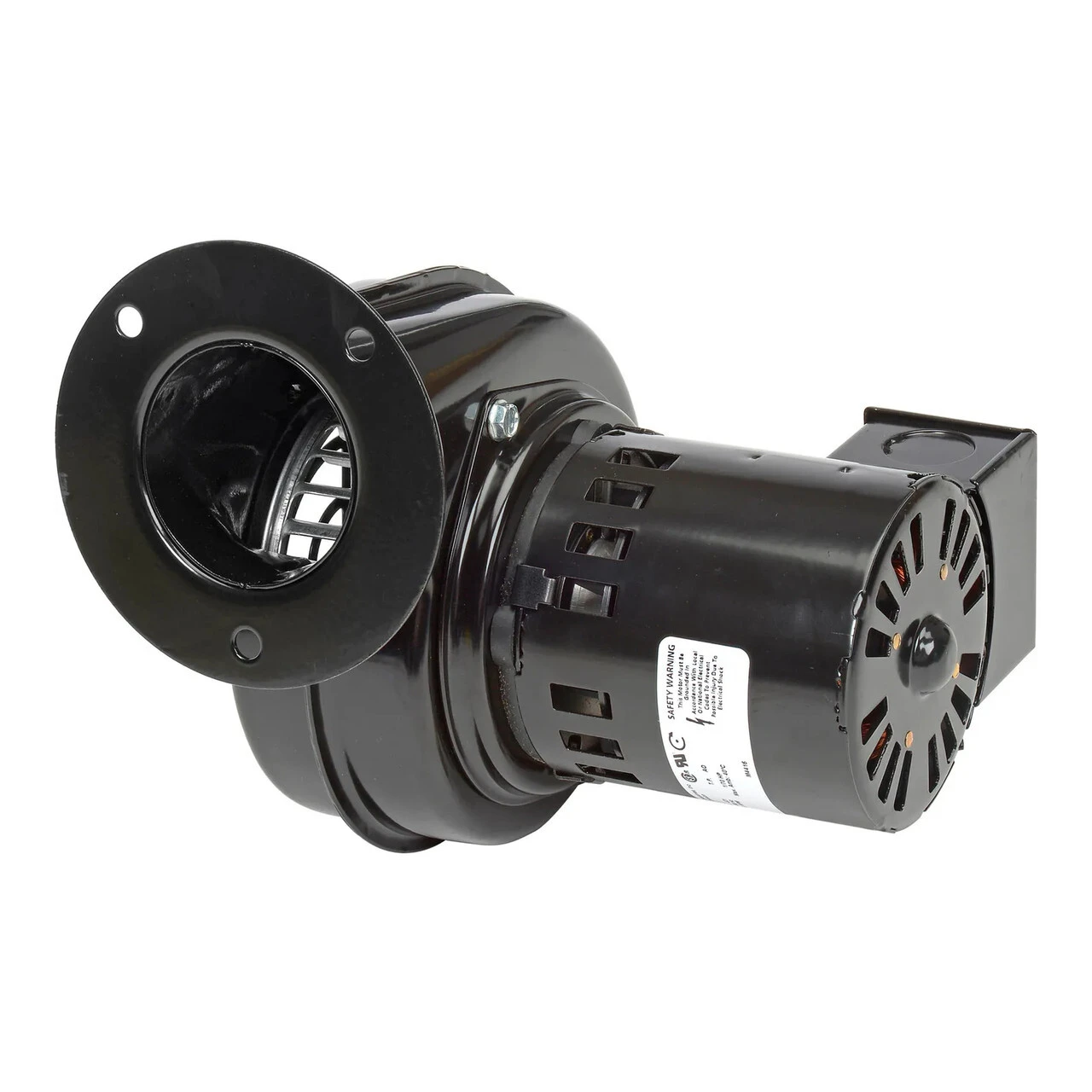
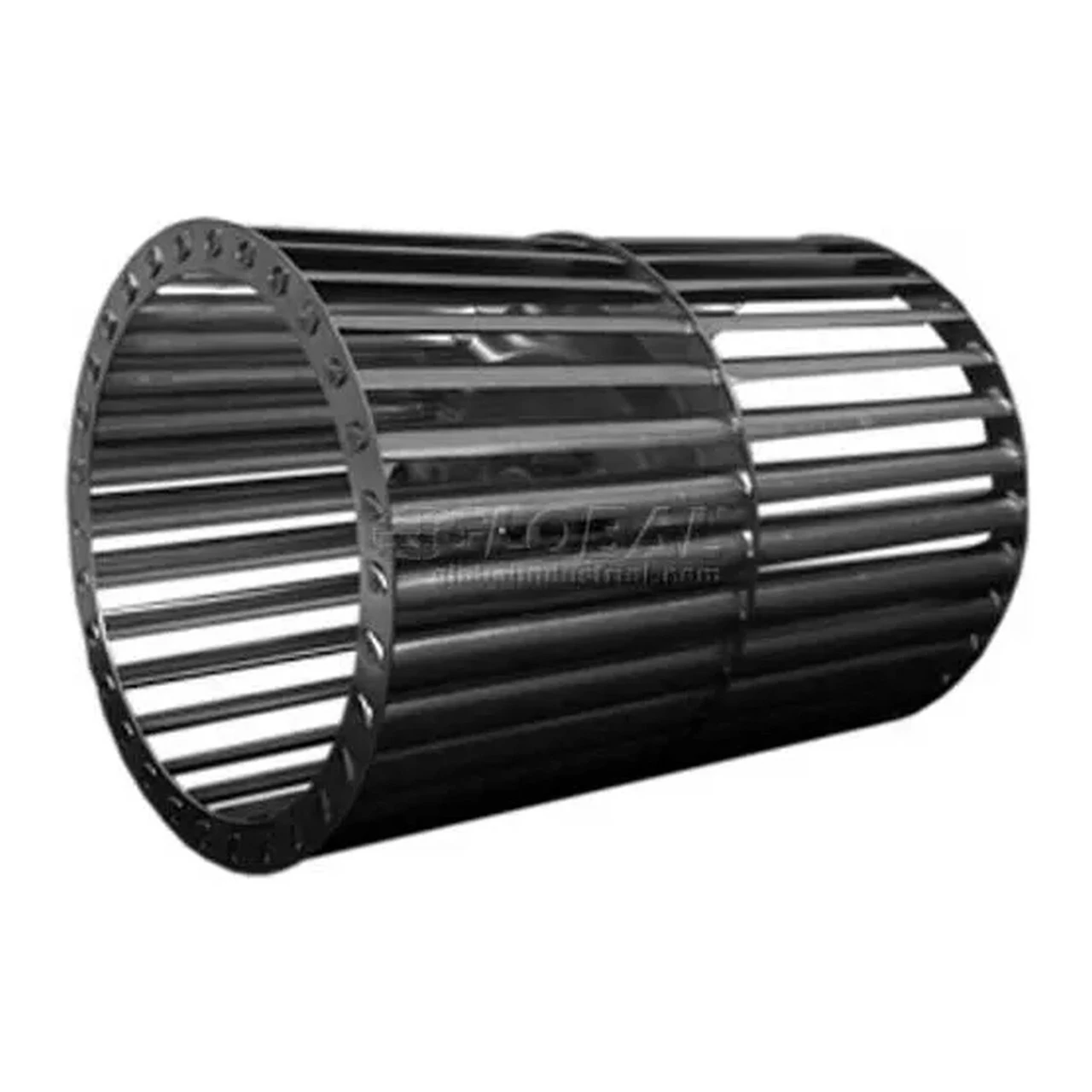
| Move air through long duct runs or against resistance | Centrifugal Blowers | High static pressure performance makes these ideal for complex duct systems |
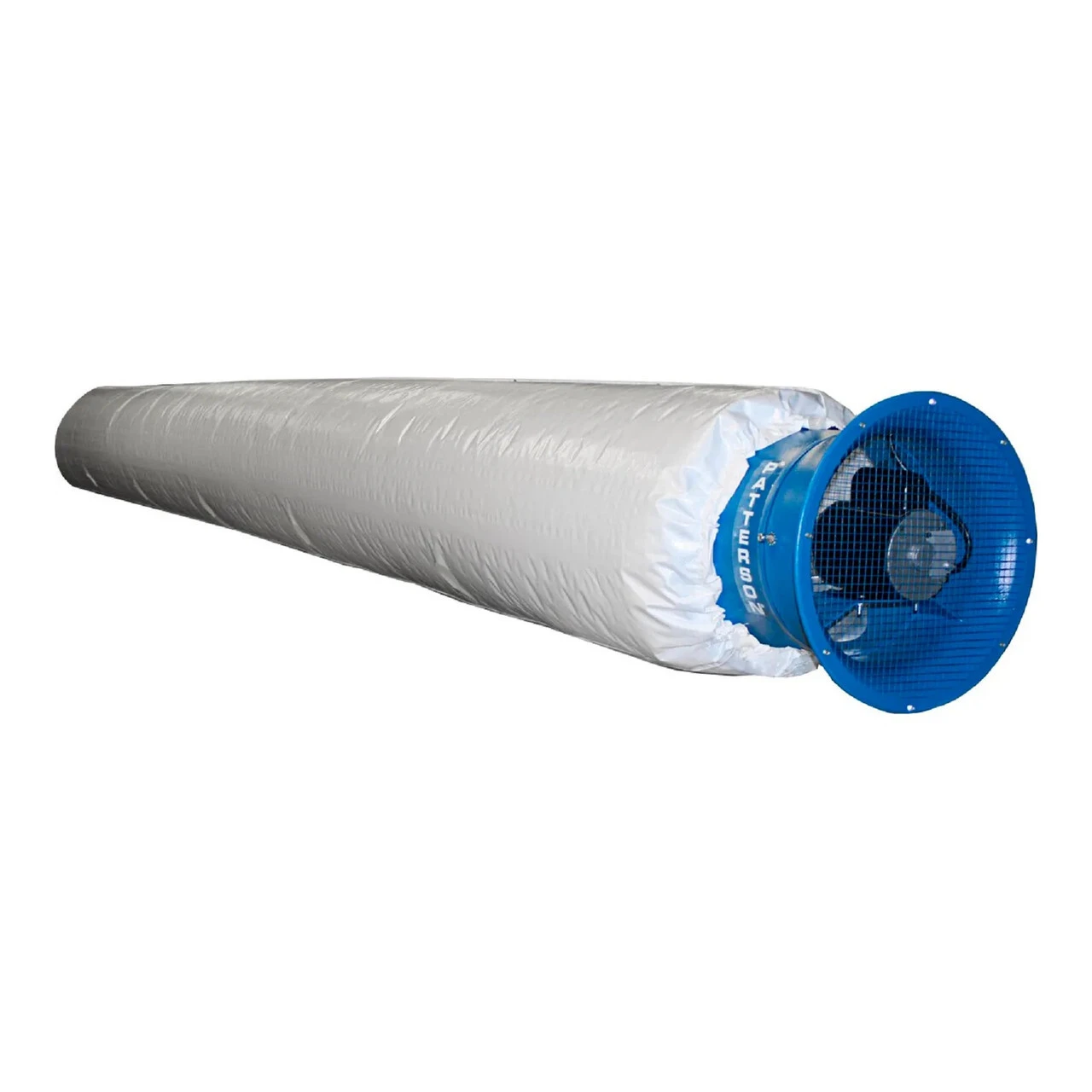
| Ventilate a tank, tunnel, or enclosed work area | Confined Space Blowers | Portable and duct-compatible units built to meet safety air change requirements |
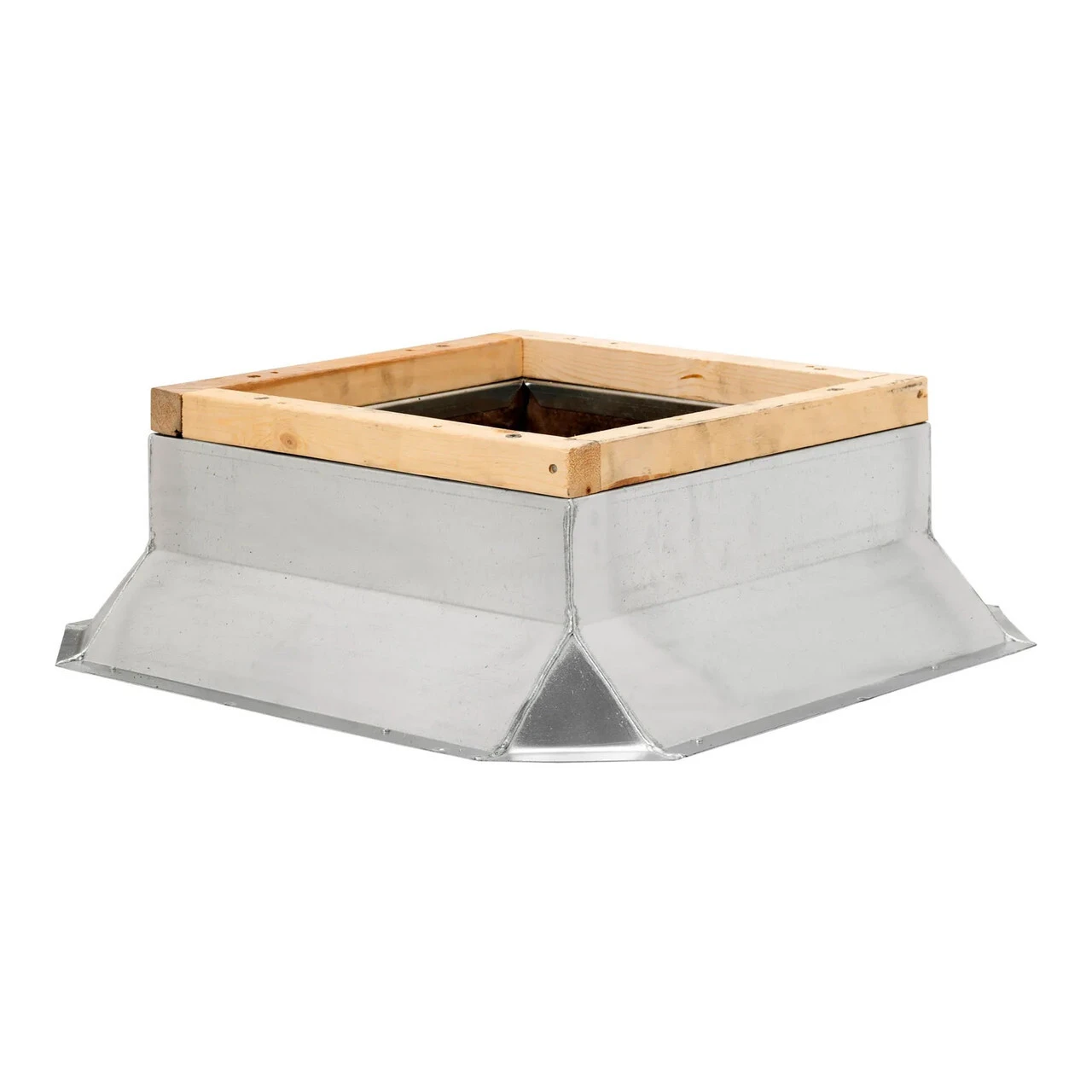
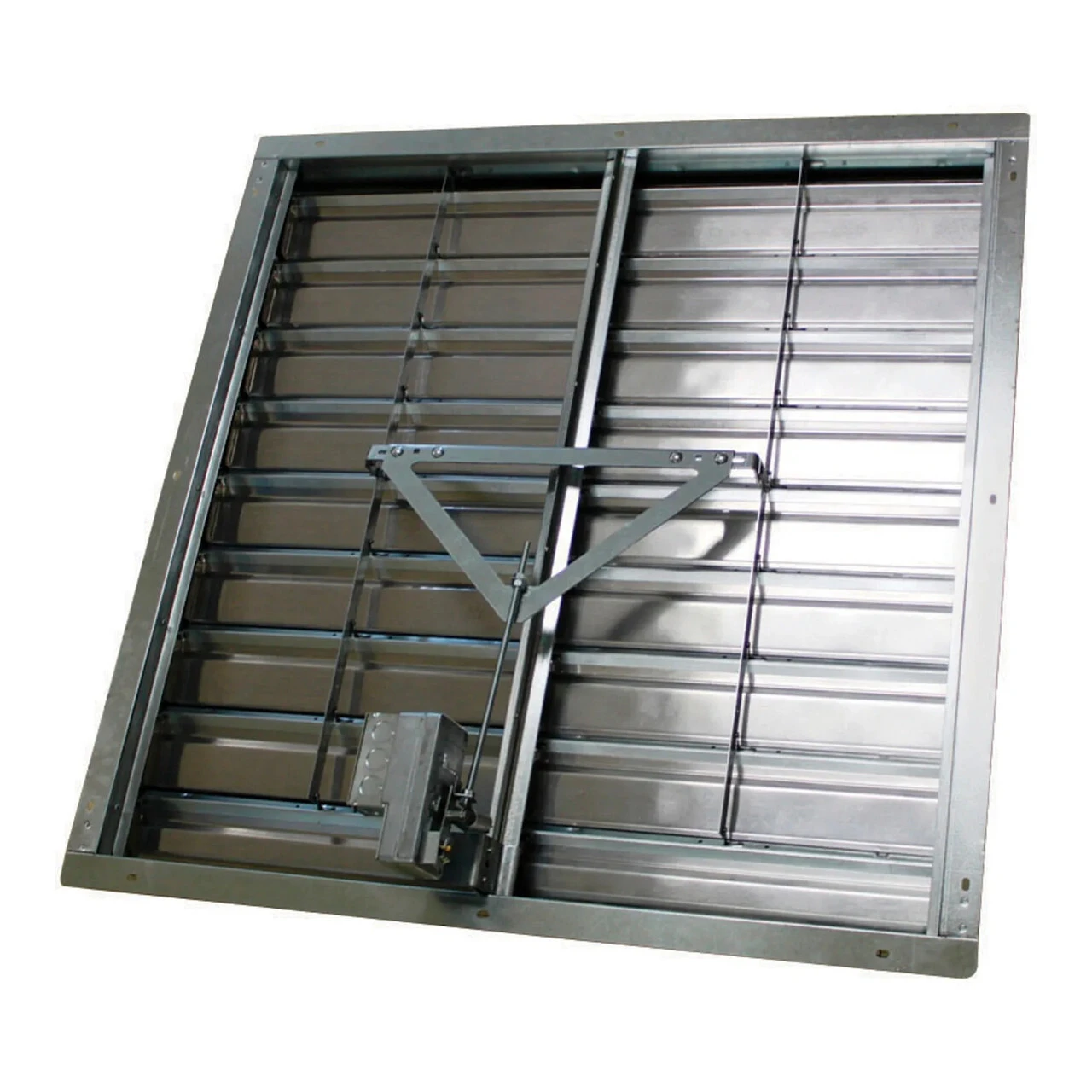
| Control airflow direction or prevent backdraft | Dampers | Paired with fans to manage airflow path and stop reverse flow when equipment is off |
Plan the right fit before choosing
Step 1: Define Your Airflow Goal
Before selecting equipment, determine whether you need to supply fresh air, exhaust contaminated or humid air, or circulate air within a space. This single decision narrows your category path significantly and affects whether you need a fan, blower, or a combined ventilation system.
- Supply ventilation: brings outside air in — common in agricultural and commercial settings
- Exhaust ventilation: removes stale, humid, or hazardous air — typical in bathrooms, cabinets, and confined spaces
- Recirculation: moves air within a space without exchanging it — used for temperature equalization
Step 2: Calculate CFM and Static Pressure Requirements
CFM (cubic feet per minute) tells you how much air the unit moves. Static pressure rating tells you how well it performs against resistance in ductwork. Undersizing either spec leads to poor performance. Use room volume, air change rate requirements, and duct length to calculate your minimum CFM before comparing products.
- Bathrooms typically require 1 CFM per square foot of floor area as a baseline
- Confined space blowers must meet OSHA air change requirements for worker safety
- Centrifugal blowers handle high static pressure — ideal for long or complex duct runs
- Agricultural fans prioritize high CFM at low static pressure for open-structure airflow
Step 3: Account for Environment and Installation Constraints
Wet, dusty, corrosive, or explosive environments require fans rated for those conditions. Mounting location — ceiling, wall, inline, or portable — affects which product types are compatible. Confirm electrical requirements (voltage, phase, amperage) and whether dampers or accessories are needed to complete the installation.
- Bathroom exhaust fans require moisture-rated housings and proper CFM for room size
- Cabinet exhaust fans must fit standard enclosure cutout dimensions
- Confined space blowers are often portable and duct-connected for flexibility
- Dampers should be specified alongside fans to prevent reverse airflow when units are off
This category is divided into eight focused subcategories so you can navigate directly to the fan or blower type that fits your specific use case.
Every fan and blower selection should start with CFM for airflow volume and static pressure rating for duct resistance — these two specs determine whether a unit will perform in your system.
Dampers are available as a dedicated subcategory, allowing you to pair fans and blowers with backdraft prevention and directional airflow control components.
Products across this category span indoor, outdoor, wet-rated, and hazardous-location configurations — always verify the environmental rating before purchasing.
Common questions before buying
What is the difference between a fan and a blower?
Fans move large volumes of air at low pressure and are used for general ventilation and circulation. Blowers generate higher static pressure, making them better suited for moving air through ductwork, enclosures, or systems with significant resistance.
How do I know what CFM rating I need?
Calculate the volume of the space in cubic feet, then multiply by the required number of air changes per hour for your application. Divide that result by 60 to get the minimum CFM. For bathrooms, a common rule is 1 CFM per square foot of floor area.
Do I need a damper with my exhaust fan?
In most cases, yes. A damper prevents outside air, pests, and backdraft from entering through the exhaust duct when the fan is not running. Many exhaust fans include a built-in damper, but standalone dampers are available if yours does not.
What should I look for when selecting a confined space blower?
Prioritize CFM output sufficient to meet OSHA air change requirements for the space volume, portability if the unit needs to move between job sites, duct compatibility for directing airflow into the work area, and a durable housing rated for the conditions present.