

-
Double-Inlet Aluminum Blower Wheel, 4-3/4 in. Diameter, Clockwise
Our Price:$119.94This double-inlet blower wheel is a direct-drive HVAC replacement component for technicians and maintenance teams working on condensers, small appliances, and furnaces. It supports airflow movement...
-
Double-Inlet Aluminum Blower Wheel, 5-1/4 in. Diameter - 5-7/8 in W x 8 H x 7 D
Our Price:$119.94This double-inlet blower wheel is a direct-drive HVAC replacement component for technicians and maintenance teams working on condensers, small appliances, and furnaces. It helps move air through...
-
Double-Inlet Aluminum Blower Wheel, 5-1/4 in. Diameter - 6-3/4 in W x 9 H x 7 D
Our Price:$109.94This double-inlet blower wheel is a direct-drive HVAC replacement component for technicians and maintenance teams working on condensers, small appliances, and furnaces. It is designed to support...
-
Double-Inlet Aluminum Blower Wheel, 5-1/4 in. Diameter - 6-7/8 in W x 9 H x 7 D
Our Price:$97.94This double-inlet blower wheel is a direct-drive replacement component for HVAC technicians and equipment service professionals working on condensers, small appliances, and furnaces. It is designed...
-
Double-Inlet Aluminum Blower Wheel, 5-1/4 in. Diameter, CCW
Our Price:$139.94This double-inlet blower wheel is for HVAC maintenance teams servicing condensers, furnaces, and small appliances. It provides a replacement wheel option for direct-drive blower assemblies requiring...
-
Double-Inlet Aluminum Blower Wheel, 5-3/4 in. Diameter, CCW
Our Price:$119.94This double-inlet blower wheel is a direct-drive HVAC replacement component for technicians and maintenance teams working on condensers, small appliances, and furnaces. It helps move air within...
-
Double-Inlet Aluminum Blower Wheel, 5-3/4 in. Diameter, Clockwise - 6-7/8 in W x 9 H x 8 D
Our Price:$109.94This double-inlet blower wheel is a direct-drive HVAC replacement component for technicians and maintenance teams working on condensers, small appliances, and furnaces. It helps move air through...
-
Double-Inlet Aluminum Blower Wheel, 5-3/4 in. Diameter, Clockwise - 8 in W x 10 H x 8 D
Our Price:$90.94This double-inlet blower wheel is a replacement air-moving component for HVAC professionals and maintenance teams working on condensers, small appliances, and furnaces. It is designed to support...
-
Double-Inlet Aluminum Blower Wheel, 5-3/4 in. Diameter, Counterclockwise
Our Price:$149.94This double-inlet blower wheel is a replacement air-moving component for HVAC professionals and equipment maintenance teams working on condensers, small appliances, and furnaces. Its counterclockwise...
-
Double-Inlet Aluminum Blower Wheel, 6-5/16 in. Diameter, CCW
Our Price:$109.94This double-inlet blower wheel is a replacement air-moving component for HVAC service professionals working on condensers, small appliances, and furnaces. It helps restore the wheel assembly in...
-
Double-Inlet Aluminum Blower Wheel, 6-5/16 in. Diameter, Clockwise
Our Price:$99.94This double-inlet blower wheel is a direct-drive HVAC replacement component for technicians and maintenance professionals working on condensers, small appliances, and furnaces. It helps move air...
-
Double-Inlet Aluminum Blower Wheel, 7-1/2 in. Diameter, CCW - 5 in W x 7 H x 10 D
Our Price:$209.94This double-inlet blower wheel is for HVAC service teams and maintenance personnel working on condensers, small appliances, and furnaces. It provides a replacement wheel option for systems requiring...
-
Double-Inlet Aluminum Blower Wheel, 7-1/2 in. Diameter, CCW - 6-11/32 in W x 8 H x 10 D
Our Price:$189.94This double-inlet blower wheel is for maintenance professionals servicing condensers, small appliances, and furnaces. It provides a replacement wheel option for direct-drive air-moving assemblies...
-
Double-Inlet Aluminum Blower Wheel, 7-1/2 in. Diameter, Clockwise
Our Price:$149.94This double-inlet blower wheel is a replacement air-moving component for HVAC technicians and maintenance teams working on condensers, small appliances, and furnaces. Its clockwise rotation supports...
-
Double-Inlet Aluminum Blower Wheel, Clockwise, 4-3/4 in. Diameter
Our Price:$89.94This double-inlet blower wheel is a direct-drive HVAC replacement component for maintenance professionals working on condensers, small appliances, and furnaces. It helps support airflow by mounting...
-
Double-Inlet Aluminum Blower Wheel, Counterclockwise, 5-1/4 in. Diameter
Our Price:$139.94This double-inlet blower wheel is a replacement air-moving component for buyers servicing condensers, small appliances, and furnaces. Its counterclockwise rotation and double-inlet design support...
-
Double-Inlet Aluminum Blower Wheel, Counterclockwise, 6-5/16 in. Diameter
Our Price:$99.94This double-inlet blower wheel is for maintenance teams and HVAC technicians working on condensers, small appliances, and furnaces. It provides a replacement wheel option where counterclockwise...
-
Double-Inlet Blower Wheel, 10-5/8 in. Diameter
Our Price:$139.94This double-inlet blower wheel is an HVAC replacement component for maintenance professionals working on condensers, small appliances, and furnaces. It helps support airflow movement within...
-
Double-Inlet Blower Wheel, 13-3/16 in. Diameter
Our Price:$269.94This double-inlet blower wheel is a replacement HVAC component for service and maintenance teams working on condensers, small appliances, and furnaces. It supports air-moving assemblies by providing...
-
Double-Inlet Blower Wheel, 7-1/2 in. Diameter, Clockwise
Our Price:$99.94This double-inlet blower wheel is for HVAC and appliance service professionals replacing a wheel in condensers, small appliances, or furnaces. It provides the rotating wheel component needed for...
-
Double-Inlet Blower Wheel, 7-1/2 in. Diameter, Counterclockwise
Our Price:$95.94This double-inlet blower wheel is a replacement component for HVAC professionals and maintenance teams working on condensers, small appliances, and furnaces. It supports air-moving assemblies that...
-
Double-Inlet Concave Blower Wheel, Clockwise, 10-5/8 in. Diameter
Our Price:$159.94This double-inlet blower wheel is a replacement air-moving component for technicians servicing condensers, small appliances, and furnaces. Its clockwise rotation and concave design support matching...
-
Double-Inlet Counterclockwise Blower Wheel, 6-25/64 in. Diameter
Our Price:$119.94This double-inlet blower wheel is a replacement air-moving component for condensers, small appliances, and furnaces. It is suited to users who need a counterclockwise wheel to restore or configure...
-
Double-Inlet Direct-Drive Blower Wheel, 10-5/8 in. Diameter - 4-1/2 in W x 7 H x 13 D
Our Price:$129.94This double-inlet blower wheel is a replacement airflow component for HVAC maintenance professionals and appliance service teams working on condensers, small appliances, and furnaces. It supports...
-
Double-Inlet Direct-Drive Blower Wheel, 10-5/8 in. Diameter - 8 in W x 10 H x 13 D
Our Price:$139.94This double-inlet blower wheel is for technicians and maintenance teams servicing condensers, small appliances, and furnaces. It provides a replacement wheel option for direct-drive blower assemblies...
-
Double-Inlet Direct-Drive Blower Wheel, 10-5/8 in. Diameter - 9-1/2 in W x 11 H x 13 D
Our Price:$199.94This double-inlet blower wheel is a replacement airflow component for HVAC service professionals and maintenance teams. It supports air movement in condensers, small appliances, and furnaces.The...
-
Double-Inlet Direct-Drive Blower Wheel, 10-5/8 in. Diameter - Model 008360-10
Our Price:$159.94This double-inlet blower wheel is a direct-drive replacement component for HVAC and appliance service professionals. It supports air-moving assemblies in condensers, small appliances, and furnaces...
-
Double-Inlet Direct-Drive Blower Wheel, 12-5/8 in. Diameter - 13-3/16 in W x 15 H x 15 D
Our Price:$219.94This double-inlet blower wheel is a direct-drive HVAC replacement component for technicians and maintenance teams servicing condensers, small appliances, and furnaces. It helps support airflow in...
-
Double-Inlet Direct-Drive Blower Wheel, 12-5/8 in. Diameter - 6 in W x 8 H x 15 D
Our Price:$249.94This double-inlet blower wheel is a direct-drive HVAC replacement component for technicians and maintenance teams servicing condensers, small appliances, and furnaces. It supports airflow movement...
-
Double-Inlet Direct-Drive Blower Wheel, 13-3/16 in. Dia., 1 in. Bore
Our Price:$189.94This double-inlet blower wheel is a replacement air-moving component for HVAC technicians and maintenance professionals working on condensers, small appliances, and furnaces. It supports airflow in...


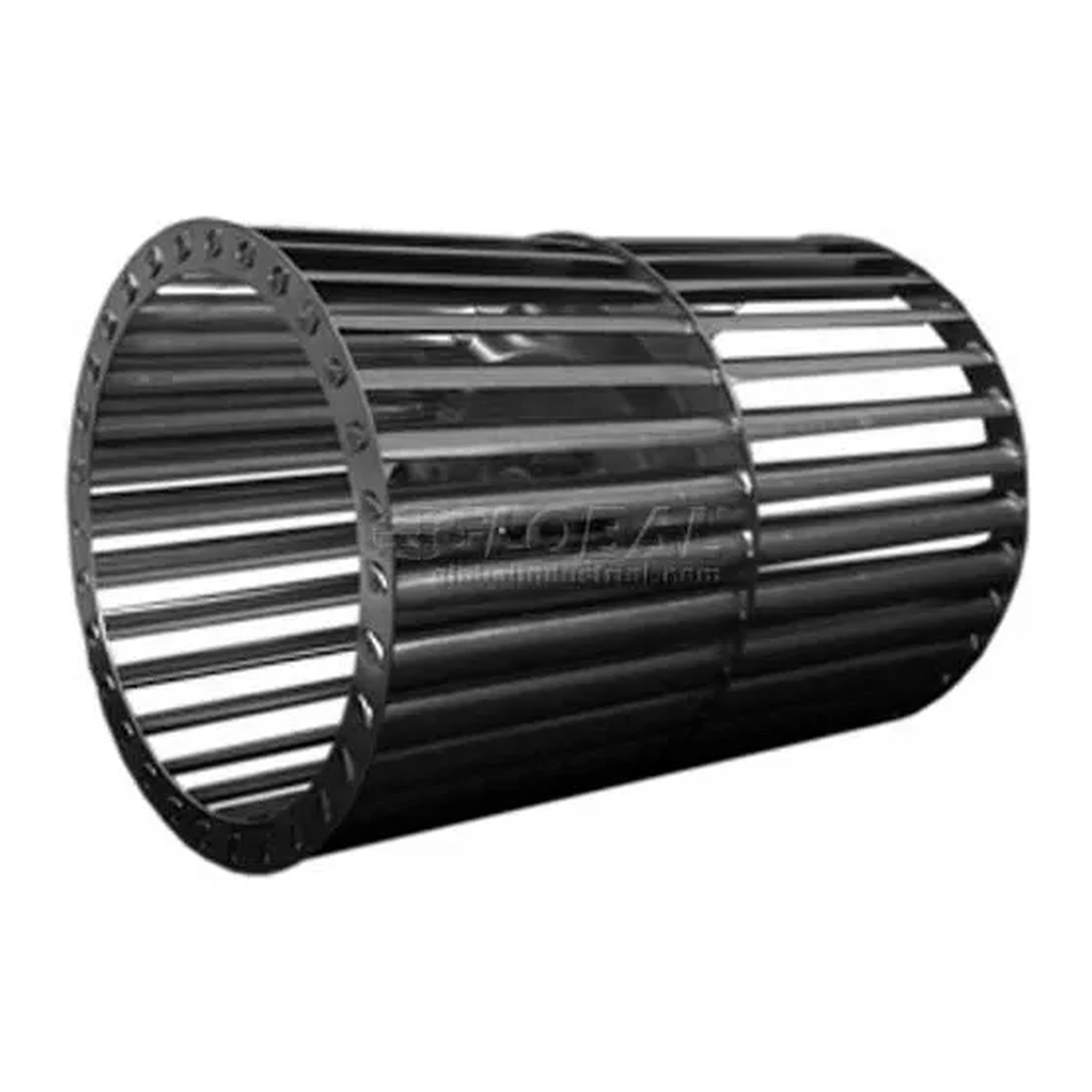

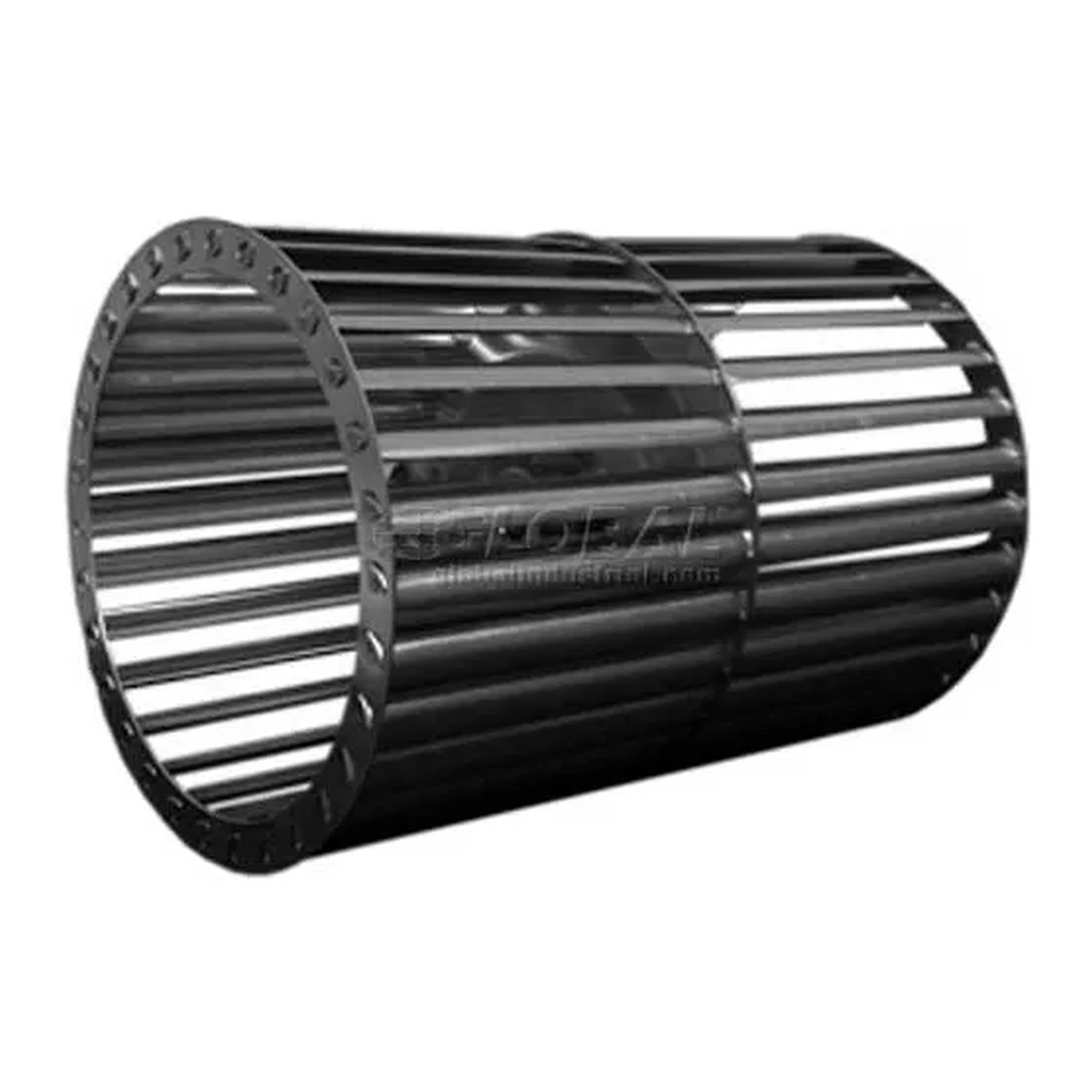


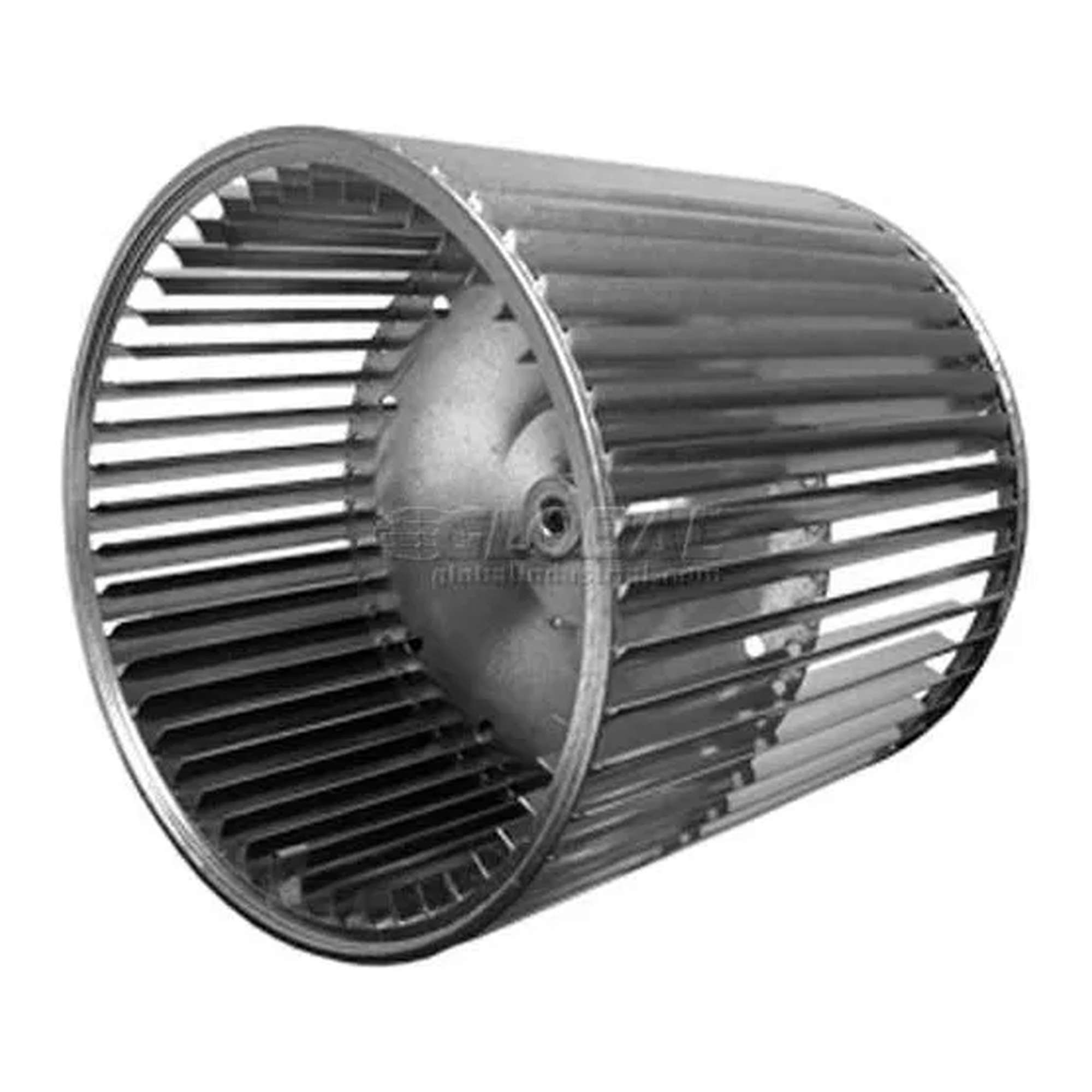


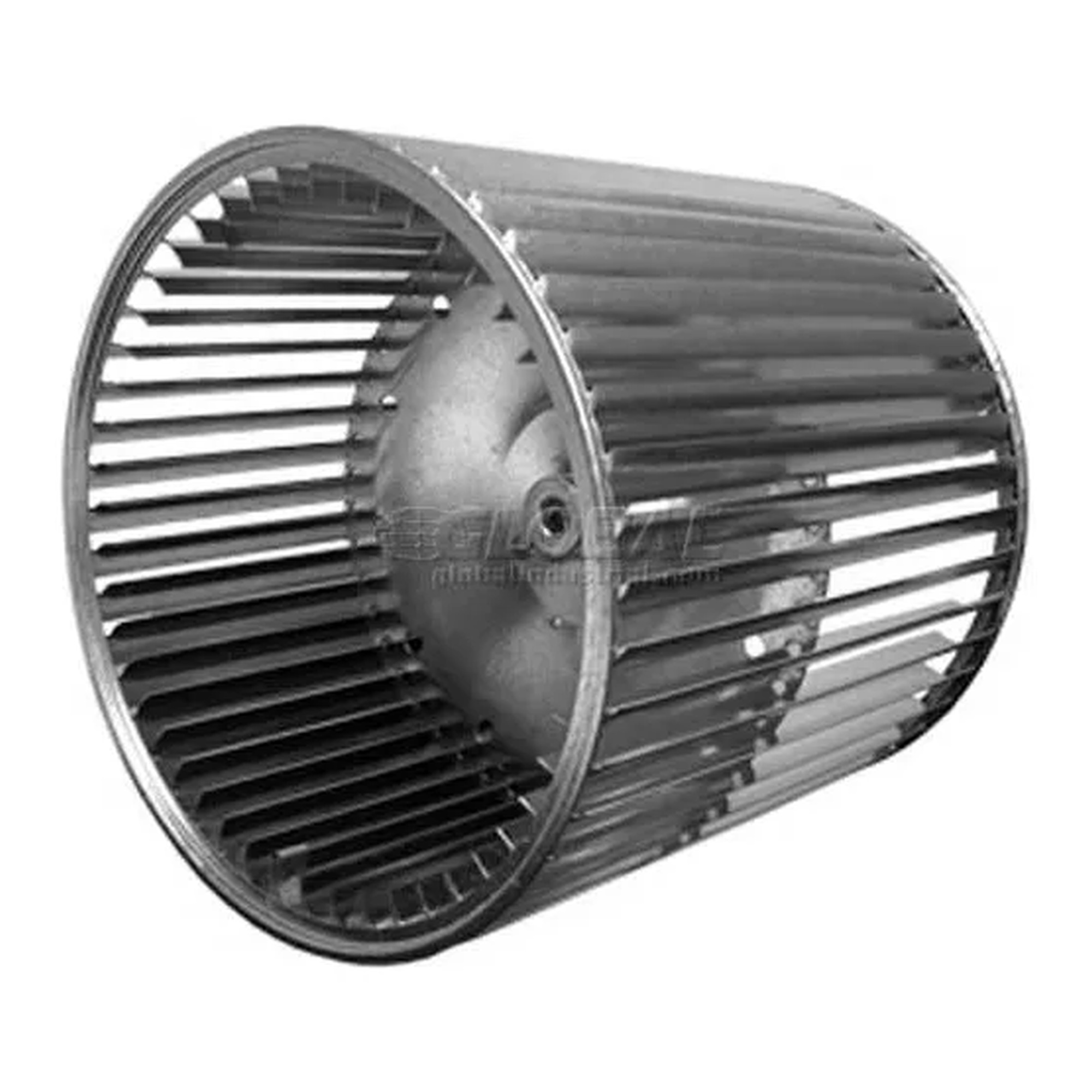

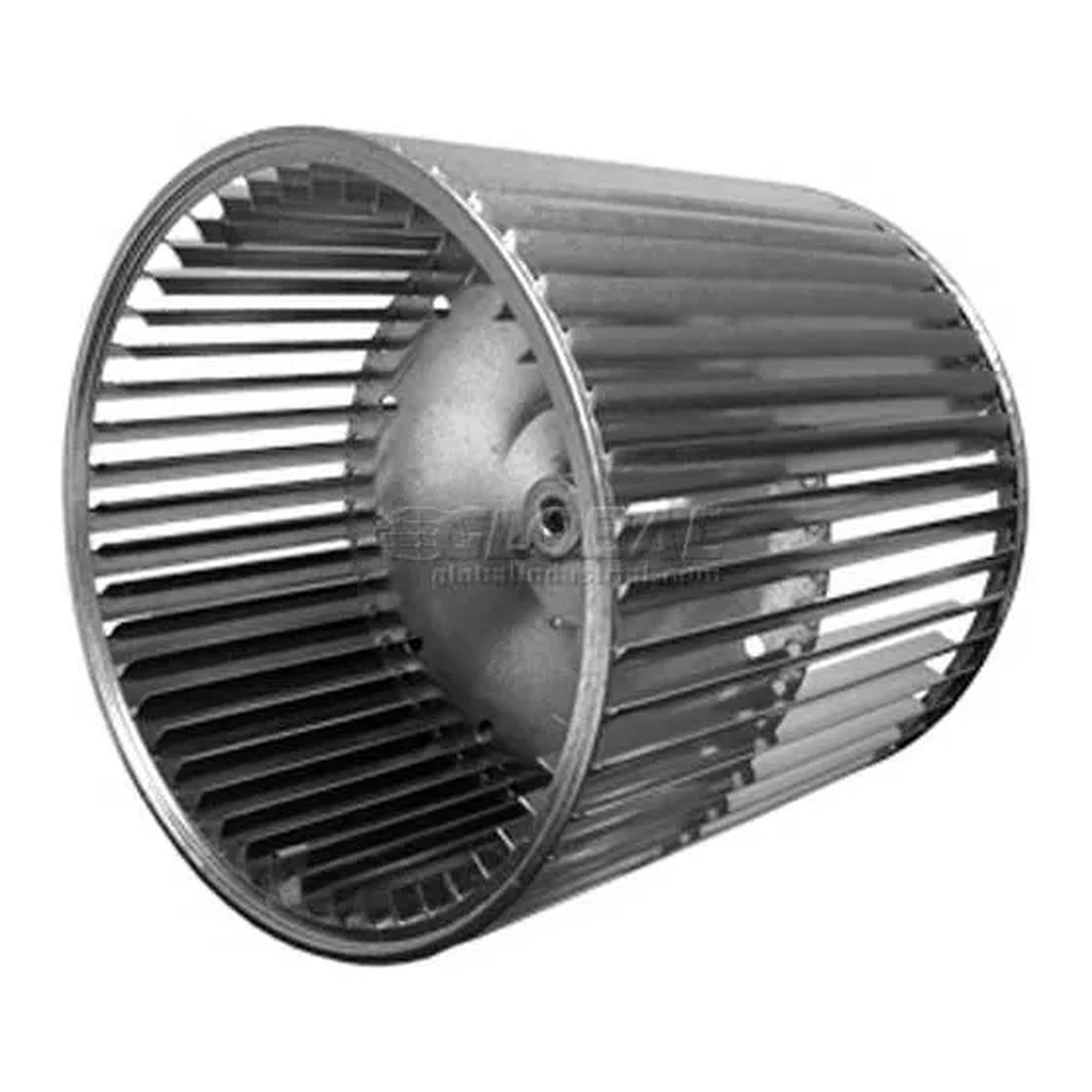
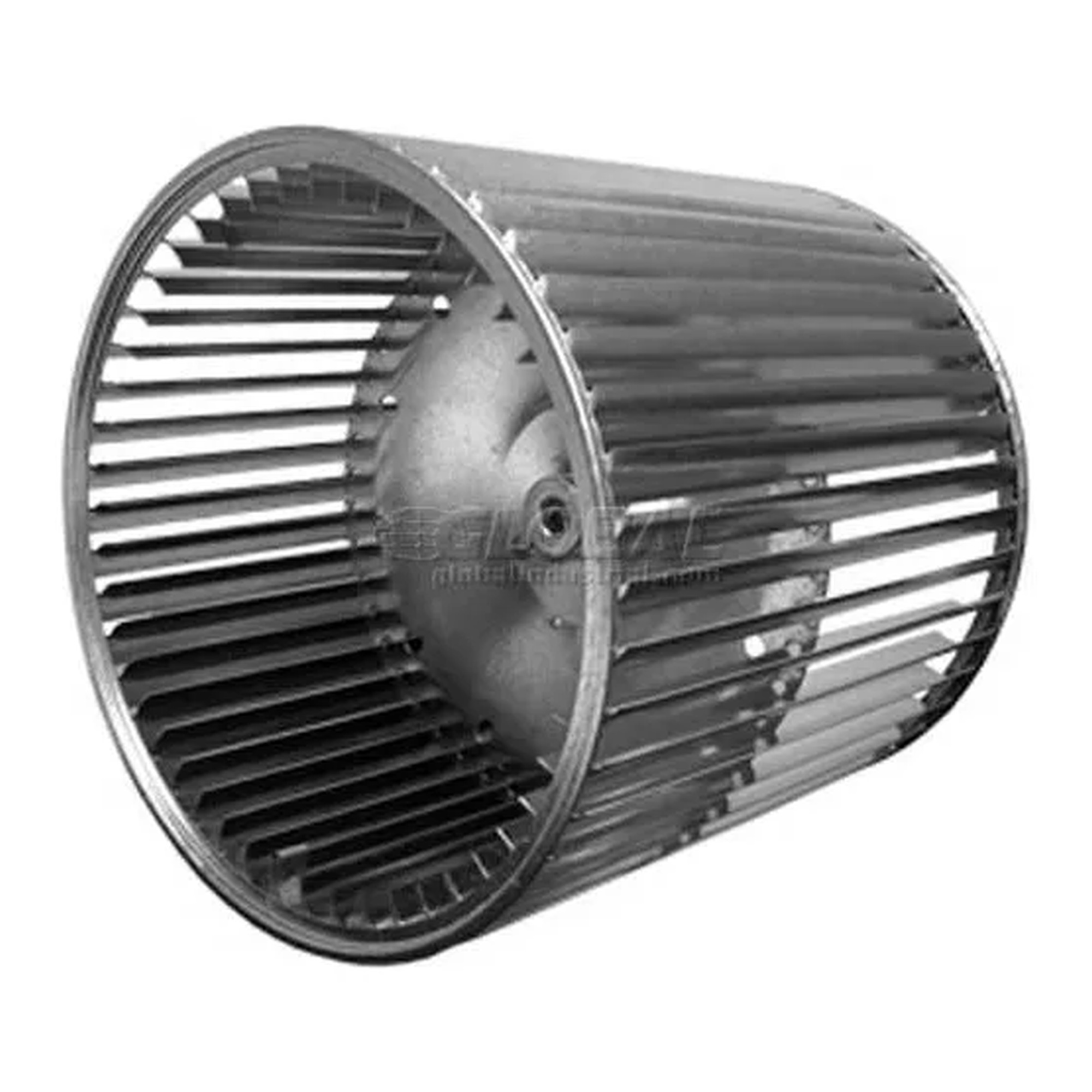


HVAC Blower Wheels: Find the Right Replacement for Your System
HVAC blower wheels are the air-moving components inside furnaces, condensers, small appliances, and blower assemblies. Whether you need a single-inlet wheel for directed airflow or a double-inlet wheel for a direct-drive application, matching the right specs to your equipment ensures proper airflow, fit, and system performance.
Popular examples in this category
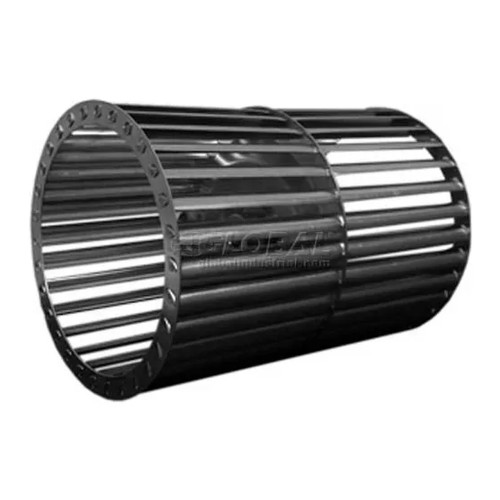 Double Inlet Blower Wheel, Clockwise, 4-27/32 in. DiameterWBB879782
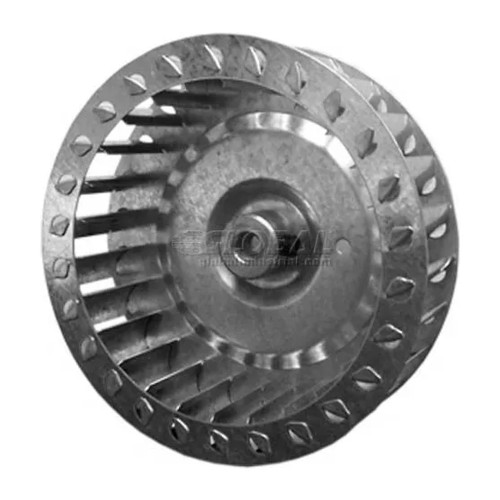 Galvanized Single-Inlet Blower Wheel, 4-3/4 in. Diameter, CCWWBB879888
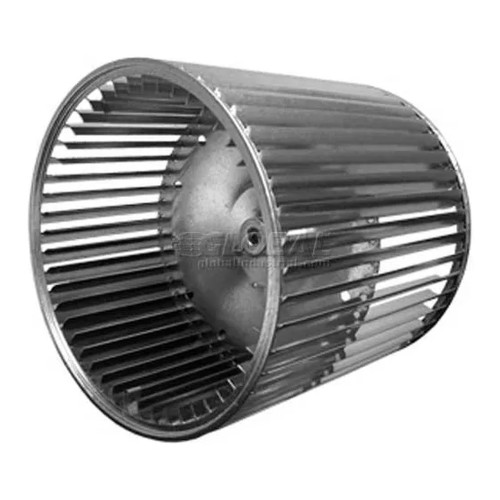 Double-Inlet Direct-Drive Blower Wheel, 15-1/2 in. Diameter - Model 008276-72WBB879505
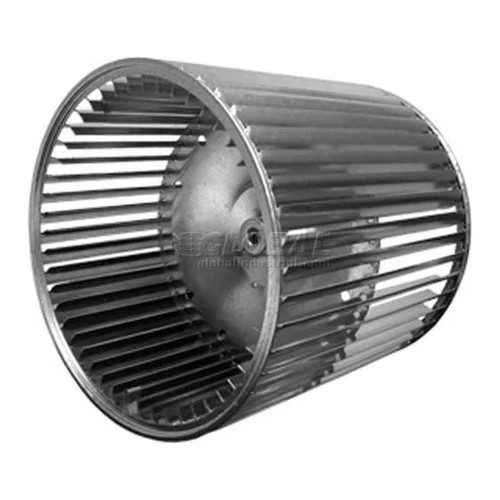 Double-Inlet Direct-Drive Blower Wheel, 18-5/8 in. Diameter - Model 008658-16WBB879515
Replacement Air-Moving Components for HVAC and Appliance Systems
Blower wheels replace worn or failed air-moving parts in furnaces, condensers, small appliances, and blower assemblies. They restore proper airflow in heating, cooling, and ventilation systems. Single-inlet designs direct airflow toward a target area, while double-inlet designs support higher-volume and direct-drive equipment.
Match Inlet Type, Rotation, and Dimensions to Your Equipment
Start with inlet type—single or double—then confirm rotation direction: clockwise, counterclockwise, or reversible. Measure bore size, wheel diameter, and wheel width. Check construction material and compare RPM ratings to ensure the replacement meets your equipment's original specifications.
Where HVAC Blower Wheels Are Commonly Used
Blower wheels are used in residential and light commercial furnaces, air conditioners, condensers, and small appliances. Direct-drive blower assemblies frequently use double-inlet wheels, while single-inlet wheels appear in targeted airflow setups such as spot cooling or directed ventilation equipment.
Construction Materials and Performance Considerations
Blower wheels are available in galvanized steel, standard steel, and aluminum. Galvanized and steel options offer durability in demanding environments, while aluminum wheels are lighter and resist corrosion. Always verify RPM ratings and bore size before ordering to avoid compatibility issues at installation.
Choosing the correct inlet type—single or double—is the first and most important step in selecting a compatible replacement blower wheel.
Blower wheels are available in specific rotation directions; installing the wrong direction reduces airflow efficiency and can stress the motor.
Construction material affects durability, weight, and corrosion resistance—match the material to your operating environment for best results.
The bore size must match the motor shaft diameter exactly; even a small mismatch will prevent proper installation or cause operational failure.
Single-Inlet vs. Double-Inlet Blower Wheels: Which Do You Need?
Use this table to quickly match your application and equipment type to the right blower wheel configuration.
| Need | Best Fit | Why It Matters |
|---|---|---|
| Directed or targeted airflow | Single-inlet blower wheel | Single-inlet wheels channel air toward a specific area or zone |
| Condenser, furnace, or appliance replacement | Double-inlet blower wheel | Double-inlet wheels support higher-volume air movement in enclosed assemblies |
| Direct-drive blower assembly | Double-inlet blower wheel | Double-inlet designs are commonly specified for direct-drive motor configurations |
| Moisture-prone or humid environment | Aluminum construction | Aluminum resists corrosion better than standard steel in wet or humid conditions |
| High-temperature or demanding conditions | Galvanized or steel construction | Galvanized and steel wheels offer greater durability under heat and mechanical stress |
Plan the right fit before choosing
Step 1: Identify Your Inlet Type and Application
Before searching for a replacement blower wheel, determine whether your equipment uses a single-inlet or double-inlet design. Single-inlet wheels are used where airflow is directed toward a specific area. Double-inlet wheels are common in condensers, furnaces, small appliances, and direct-drive blower assemblies. Check your existing wheel or equipment documentation to confirm.
- Single-inlet: used for directed or targeted airflow applications
- Double-inlet: used in condensers, furnaces, appliances, and direct-drive setups
- When in doubt, reference the equipment model number or the label on the existing wheel
Step 2: Confirm Rotation Direction and Key Dimensions
Rotation direction is critical—installing a wheel with the wrong rotation will reduce airflow or damage the system. Confirm whether your equipment requires clockwise, counterclockwise, or a wheel rated for either direction. Then measure or look up the bore size, wheel diameter, and wheel width to ensure a proper physical fit.
- Rotation: clockwise, counterclockwise, or either direction—must match equipment specs
- Bore size: must match the motor shaft diameter exactly
- Wheel diameter and width: verify against OEM specs or physical measurements of the existing wheel
Step 3: Select the Right Material and Verify RPM Rating
Choose a construction material suited to your environment. Galvanized and steel wheels handle demanding or high-temperature conditions, while aluminum wheels are lighter and better suited to moisture-prone environments. Finally, compare the listed RPM rating to your motor's operating speed to confirm the wheel is rated for your application.
- Galvanized steel: durable, handles higher temperatures and demanding conditions
- Aluminum: lightweight, corrosion-resistant, good for humid or moisture-prone environments
- RPM rating: must meet or exceed the motor's operating speed to avoid premature failure
Common questions before buying
How do I know if I need a single-inlet or double-inlet blower wheel?
Check your existing wheel or equipment documentation. Single-inlet wheels are used for directed airflow applications, while double-inlet wheels are standard in condensers, furnaces, small appliances, and direct-drive blower assemblies. The inlet opening count on the existing wheel is the easiest way to confirm.
Does rotation direction really matter when replacing a blower wheel?
Yes. Installing a wheel with the wrong rotation direction will reduce airflow and can put unnecessary strain on the motor. Always confirm whether your equipment requires clockwise, counterclockwise, or a wheel rated for either direction before ordering.
What dimensions do I need to measure before ordering a replacement blower wheel?
You need the bore size (motor shaft diameter), wheel diameter, and wheel width. The bore size is the most critical—it must match the shaft exactly. Wheel diameter and width ensure the replacement fits within the housing and moves the correct volume of air.
What is the difference between galvanized, steel, and aluminum blower wheels?
Galvanized and steel wheels are more durable and better suited to high-temperature or demanding environments. Aluminum wheels are lighter and offer better corrosion resistance, making them a good choice for humid or moisture-prone installations. Match the material to your specific operating conditions.